
ADU Architects San Diego: Do You Need One?
April 21, 2026
- By
- meebuilders
- ADU Design-Build Team
A homeowner recently came to us after submitting ADU plans that were rejected twice by the City. The layout looked fine on paper, but the setbacks, fire separation, and Title 24 documentation were incomplete. At meebuilders, we’ve been guiding clients through ADU projects for years of experience, and we’ve noticed this question comes up constantly: do you actually need an architect for your ADU in San Diego? The wrong answer can cost months of delays and thousands in redesign fees. We’ve seen property owners start a garage conversion ADU assuming a simple draftsperson would be enough – only to face structural corrections and energy compliance issues during plan check.
How to Evaluate Whether an Architect Is the Right Fit
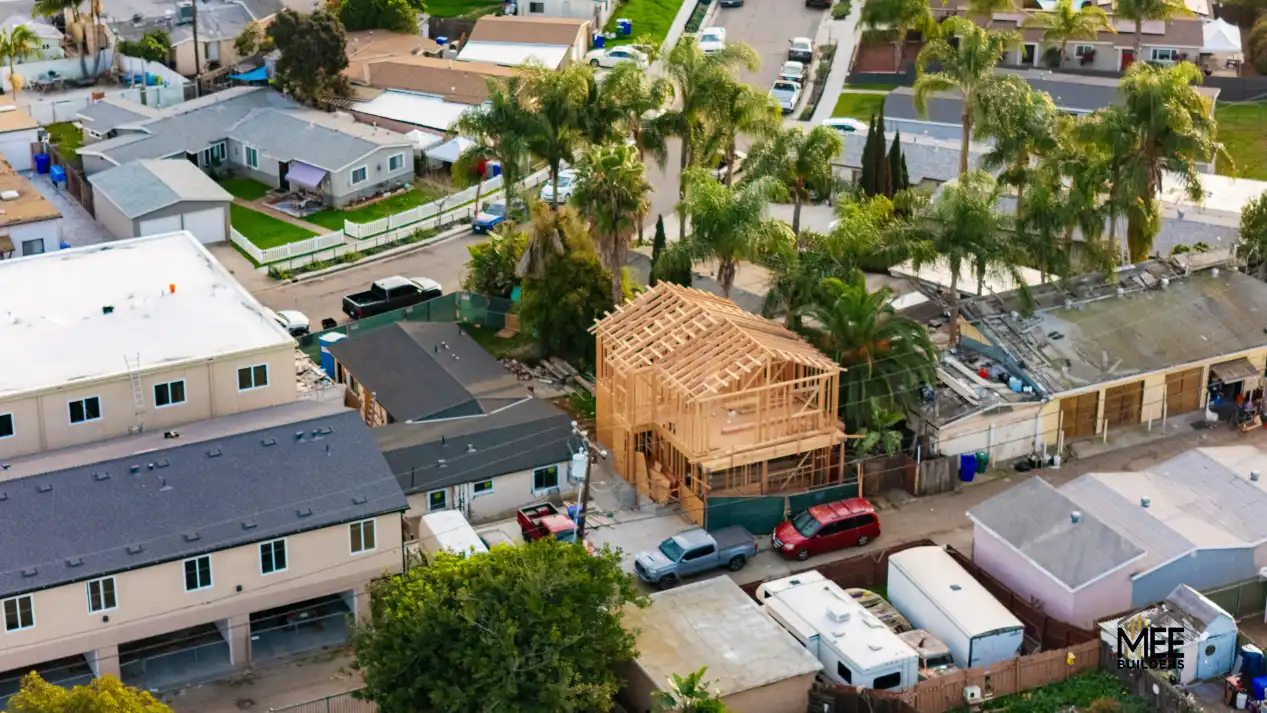
The most important best practice is aligning the design professional with the project’s complexity. Not every ADU requires a full architectural firm, but many benefit from one – especially when structural, zoning, and energy compliance overlap. Strong design coordination prevents cascading revisions during plan check. Quality ADU architectural services should include:
- Site analysis confirming setbacks, lot coverage, and height limits under the San Diego Land Development Code
- Coordinated floor plans and elevations that integrate structural engineering early
- Title 24 energy documentation and HERS verification planning
- Detailed sections showing insulation (R-19 or higher in walls where required), shear walls, and foundation specs
- Plan check response management with clear revision clouds and updated sheets
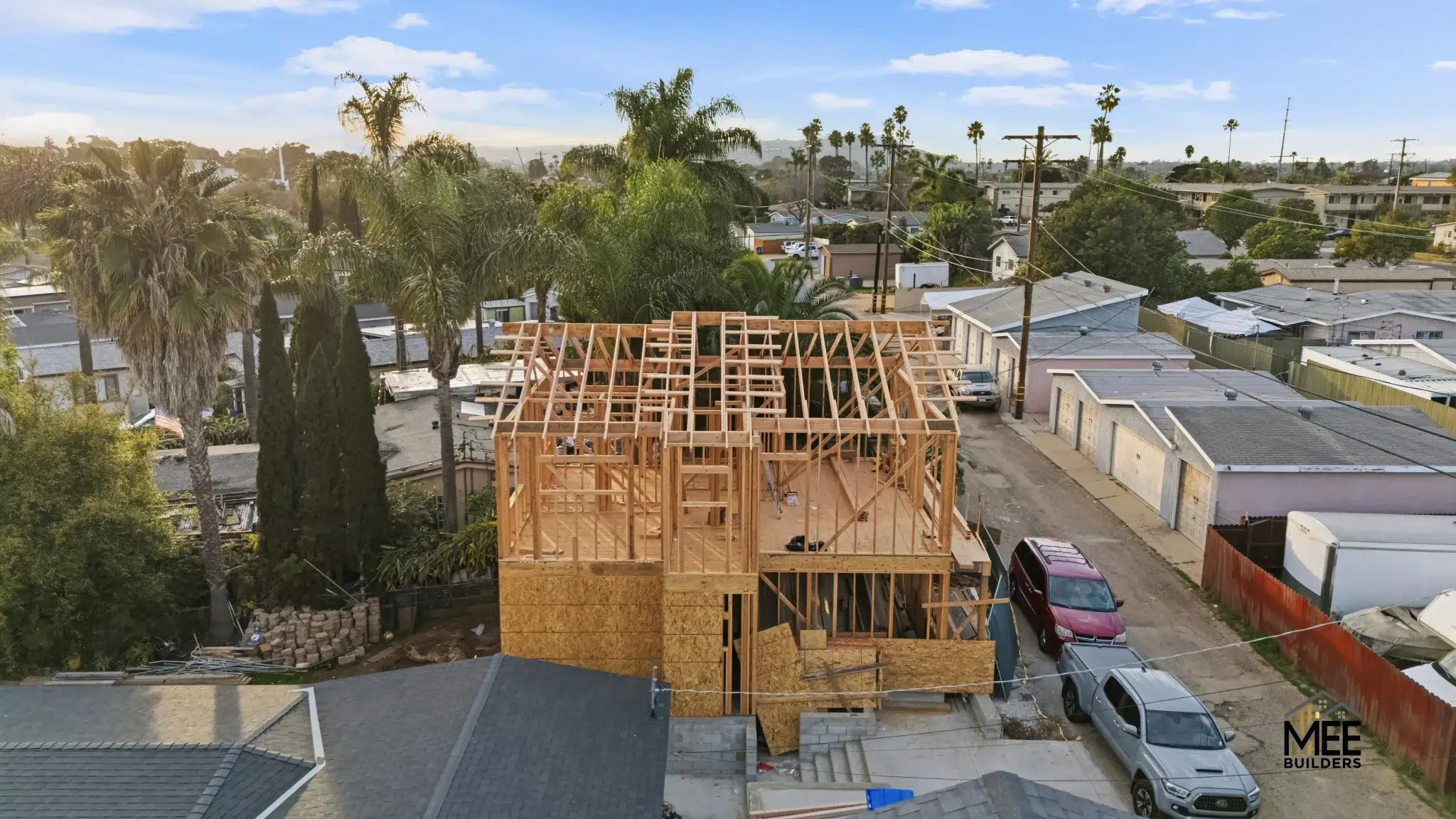
Preventing Costly Redesigns and Permit Delays
Bringing the right design professional on board early prevents reactive spending. In San Diego, ADU timelines typically range from 6 to 10 months including design, plan check, and construction, though coastal overlays or discretionary reviews can extend that. Architectural fees for an ADU may range from $8,000 to $25,000 or more depending on scope. Costs fluctuate based on:
- Site complexity (slope, access, soil conditions)
- Material and structural system choices (wood framing vs. steel, complex roof geometry)
- Total project scope (size, custom finishes, multi-story design)
- Start with a zoning and feasibility review.
- Coordinate structural and architectural drawings before submission.
- Budget 10 – 15% contingency for plan check revisions or field adjustments.
Schedule an ADU Feasibility Review
If you’re unsure whether your project requires an architect, the smartest next step is a professional feasibility assessment. We review zoning constraints, structural scope, and permitting requirements before you invest heavily in design. Our team evaluates your lot, discusses layout goals, and identifies whether architectural services, engineering-only plans, or a design-build approach makes the most sense. A focused review now can prevent months of delay and expensive plan revisions later. Let’s clarify your path forward and build your ADU on a solid foundation.
FAQs
Do all ADUs in San Diego require an architect?
Not all ADUs legally require an architect, but many benefit from one. If your project is a straightforward interior garage conversion with minimal structural changes, a skilled designer working with a structural engineer may be sufficient. However, once you introduce second-story additions, complex rooflines, or significant structural alterations, architectural coordination becomes much more valuable. San Diego’s zoning overlays, height limits, and setback rules can complicate even small projects. An architect helps align layout, structural requirements, and Title 24 energy compliance so you avoid multiple plan check corrections. The decision should be based on complexity, not just square footage.
What is the difference between a draftsperson and an architect for an ADU?
A draftsperson typically focuses on translating ideas into technical drawings. An architect provides design leadership, spatial planning, code interpretation, and coordination with engineers. For ADUs in San Diego, that distinction matters when navigating fire separation requirements, egress window sizing, ceiling height minimums, and zoning constraints. Architects are licensed by the California Architects Board and trained to integrate aesthetics with life-safety compliance. Draftsperson services may cost less upfront, but if structural or code conflicts arise during plan check, you may end up paying for redesign. The right choice depends on project complexity and your tolerance for risk.
How much does it cost to hire an architect for an ADU in San Diego?
Architectural fees for an ADU in San Diego typically start around $8,000 for simple projects and may range from $15,000 to $25,000 or more for complex or multi-story designs. Costs fluctuate based on site complexity, material costs, and total scope. Sloped lots, coastal overlays, and custom layouts increase design time. Some architects charge a flat fee, while others work on a percentage of total construction cost. Remember that lower design fees can sometimes mean less coordination during plan check. These figures are preliminary benchmarks for informational purposes only and do not constitute a binding quote. An on-site evaluation is required for a final proposal.
Can I design my own ADU and just hire an engineer?
For very simple layouts, some homeowners sketch concepts and rely on a structural engineer to finalize calculations. This approach can work for basic garage conversions with minimal layout changes. However, engineers focus on structural integrity, not spatial efficiency, code optimization, or aesthetic integration. If your design conflicts with setback rules, height limits, or fire separation distances, you may face costly revisions. In San Diego, zoning nuances often influence layout decisions early. Designing without professional guidance increases the likelihood of plan check corrections. For anything beyond a basic box layout, coordinated architectural input typically saves time and money.
What are warning signs that I should involve an architect?
If your lot has slope, irregular shape, or tight side-yard setbacks, professional design input becomes more important. Another warning sign is when you plan to remove load-bearing walls, add a second story, or alter the roof structure. In San Diego, properties within certain overlays may also face additional review requirements. If your initial plan check comments reference structural revisions, fire-rated assemblies, or Title 24 documentation gaps, that indicates coordination issues. Repeated resubmittals increase holding costs and delay rental income. When complexity rises, architectural oversight helps align structure, zoning, and energy compliance from the beginning.
What common ADU design challenges occur in San Diego?
San Diego projects often face height limits, parking configurations, and fire separation requirements due to lot density. Coastal zones may introduce additional development review. We also see challenges with older homes where existing garage slabs are only 4 inches thick and lack proper footings, requiring structural upgrades. Title 24 energy compliance can affect window sizing, insulation levels, and HVAC system selection. Properties near property lines must meet fire-resistance standards under the California Residential Code. These local factors make early feasibility studies especially valuable to avoid redesign and schedule delays.
How do I choose the right architect for my ADU?
Start by verifying the architect’s license through the California Architects Board. Confirm they carry professional liability insurance and have direct experience with ADUs in San Diego. Ask for examples of permitted projects and how they handled plan check corrections. A strong candidate will discuss zoning constraints, structural coordination, and energy compliance in detail – not just aesthetics. Review their scope carefully to confirm whether Title 24 coordination, revisions, and construction administration are included. Clear communication about timelines, deliverables, and revision limits prevents misunderstandings later.
What should I do if my ADU plans were already rejected?
First, review the plan check comments carefully and categorize them: zoning, structural, energy, or life-safety. Do not resubmit without addressing each comment thoroughly. If structural calculations are flagged, coordinate with an engineer to verify beam sizing, load paths, and connector specifications. If zoning is the issue, confirm setbacks and height limits against the City’s requirements. Avoid starting construction before approval, as that creates legal and financial exposure. Schedule a professional review to align drawings with code before resubmitting. A coordinated correction package improves approval chances and reduces further delays.