
Top-Rated San Diego ADU Builders | Custom Design, Permitting & Construction
Bypass bloated corporate remodeling teams and secure direct, daily project oversight that prevents redesign errors, ensures 2026 California Energy Code compliance, and shaves weeks off the construction timeline.
- Fully Licensed & Insured: CSLB #1046249
- 10 Years of Excellence: Serving the San Diego, CA
- 100+ Verified Reviews Google, Yelp, Houzz




Custom San Diego ADU Construction Services
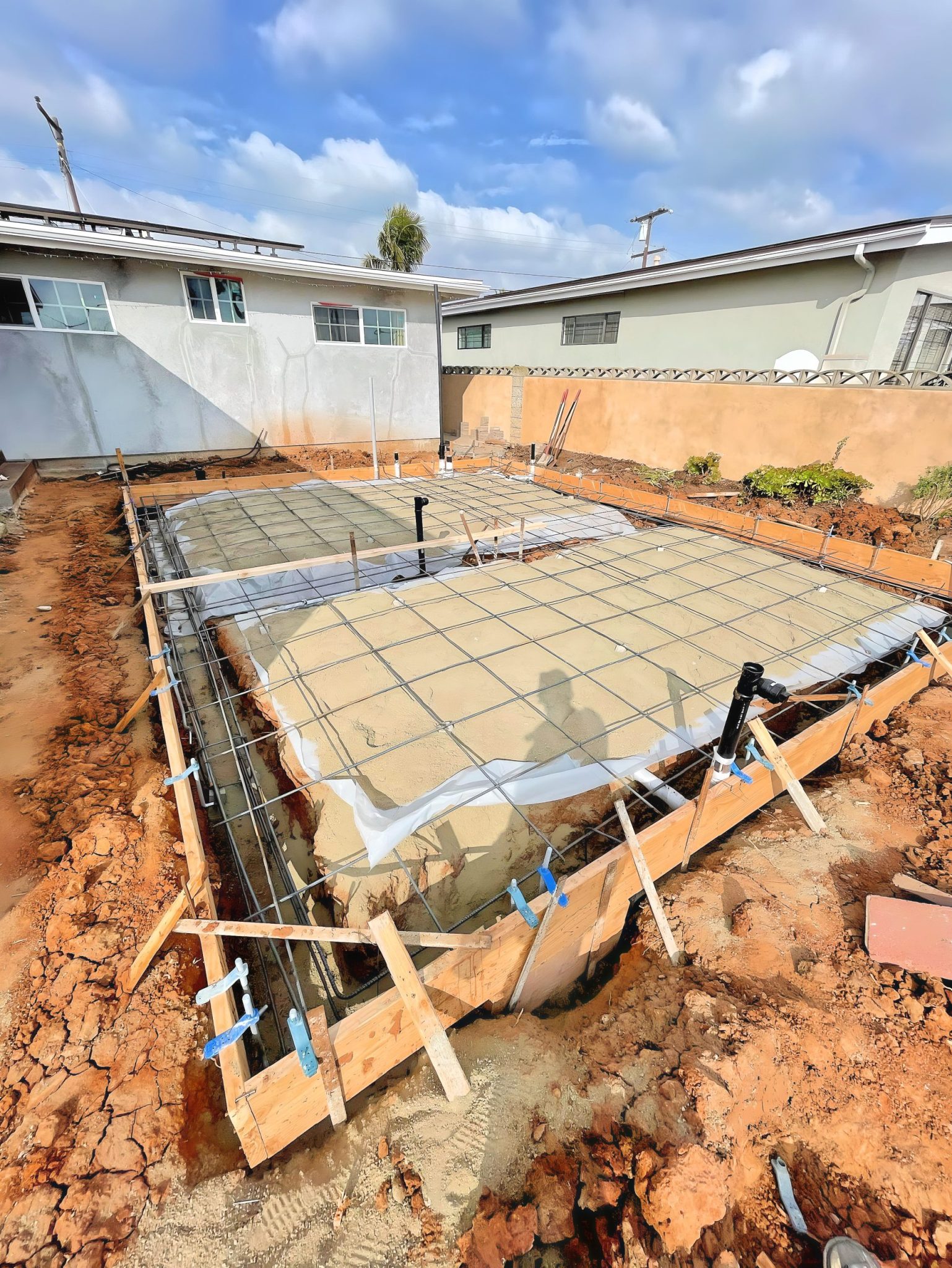
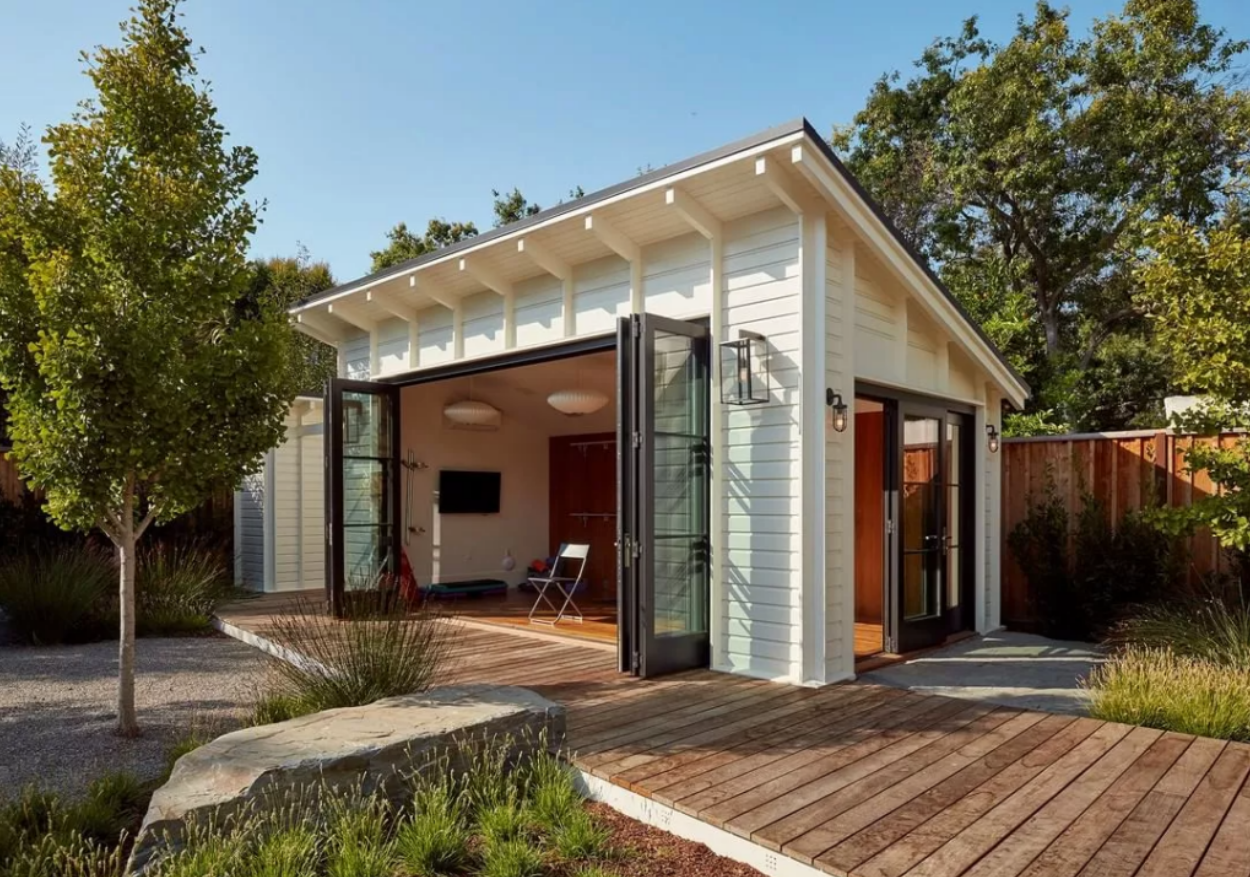
For homeowners possessing expansive lots, executing Detached ADU Construction (Backyard Cottages) provides the ultimate luxury of space and architectural freedom. This freestanding approach targets homeowners who desire a premium, standalone asset on their property.
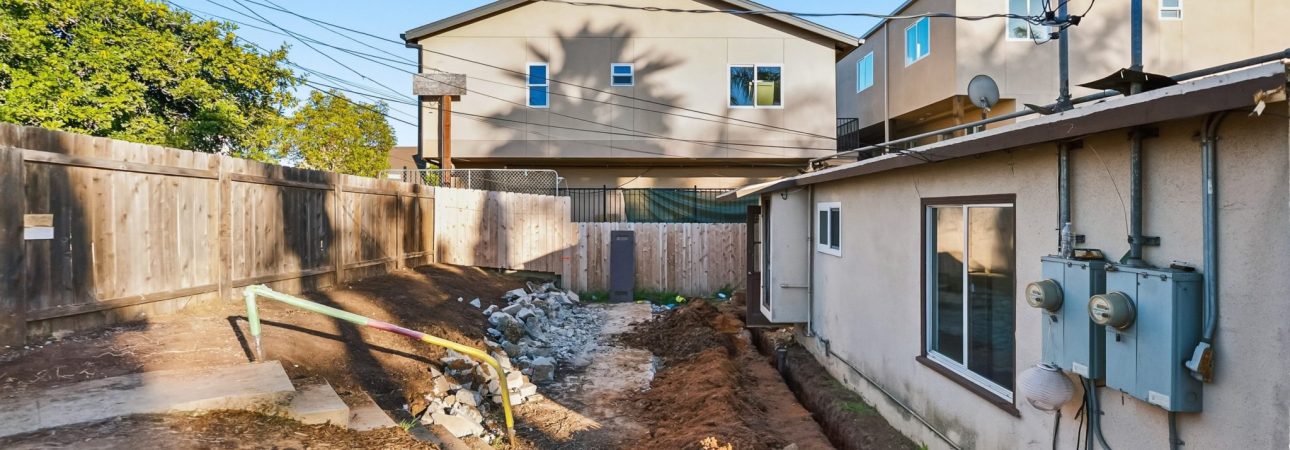
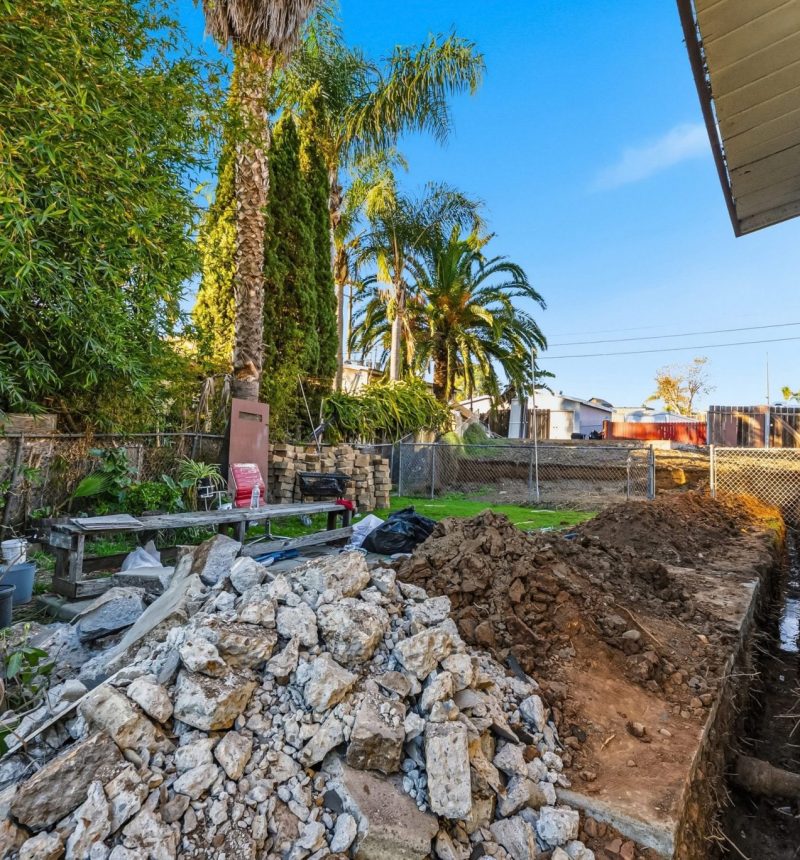
The engineering phase focuses heavily on optimizing San Diego’s specific four-foot side and rear setback requirements while implementing advanced architectural privacy solutions, such as strategic window placement and acoustic fencing, to preserve the primary residence’s seclusion. To guarantee full autonomy, the engineering mandates separate utility metering, requiring independent, deep trenching for water, electrical, and sewer laterals from day one
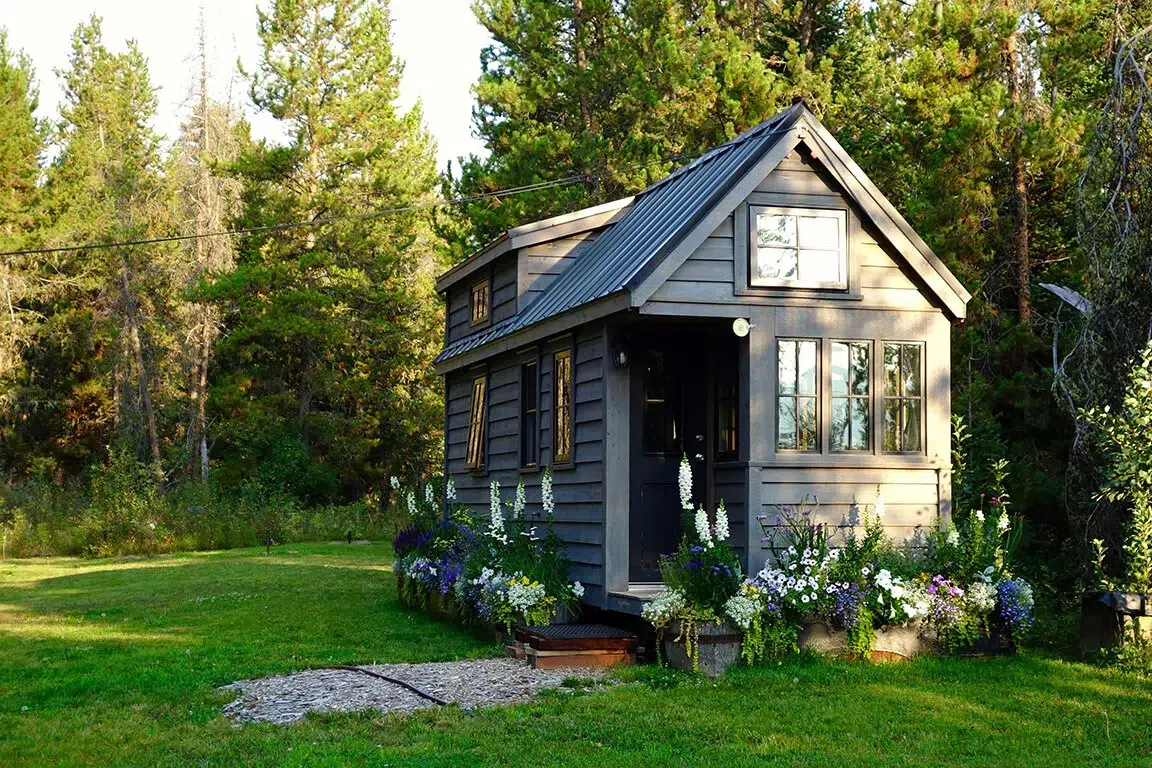
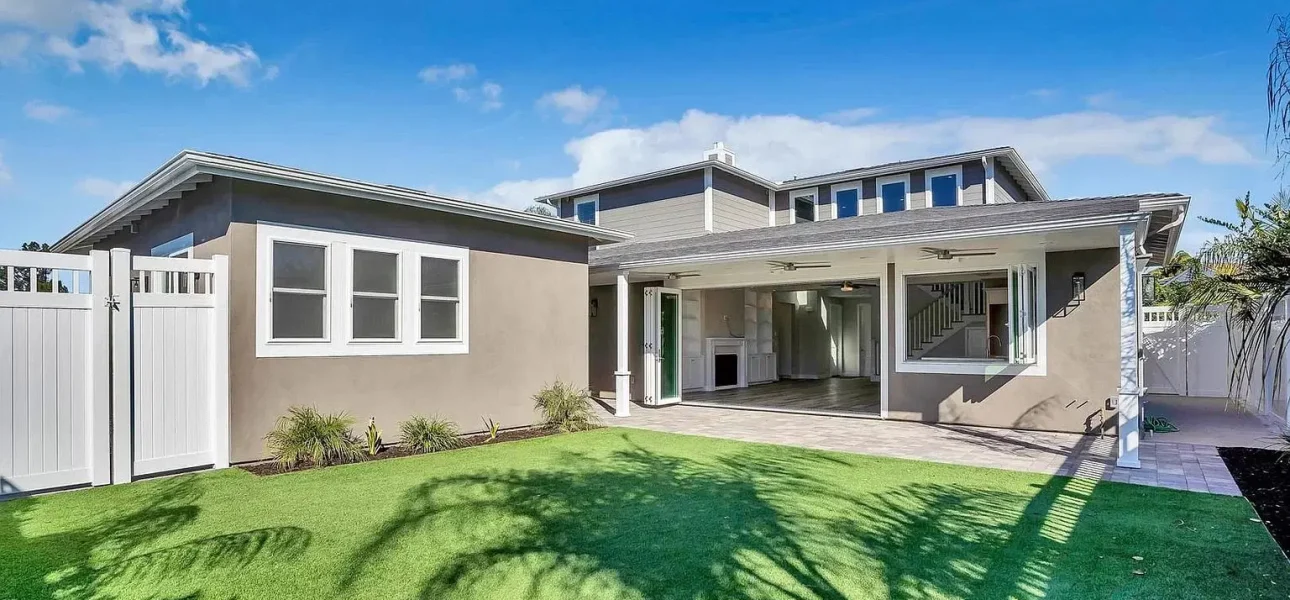
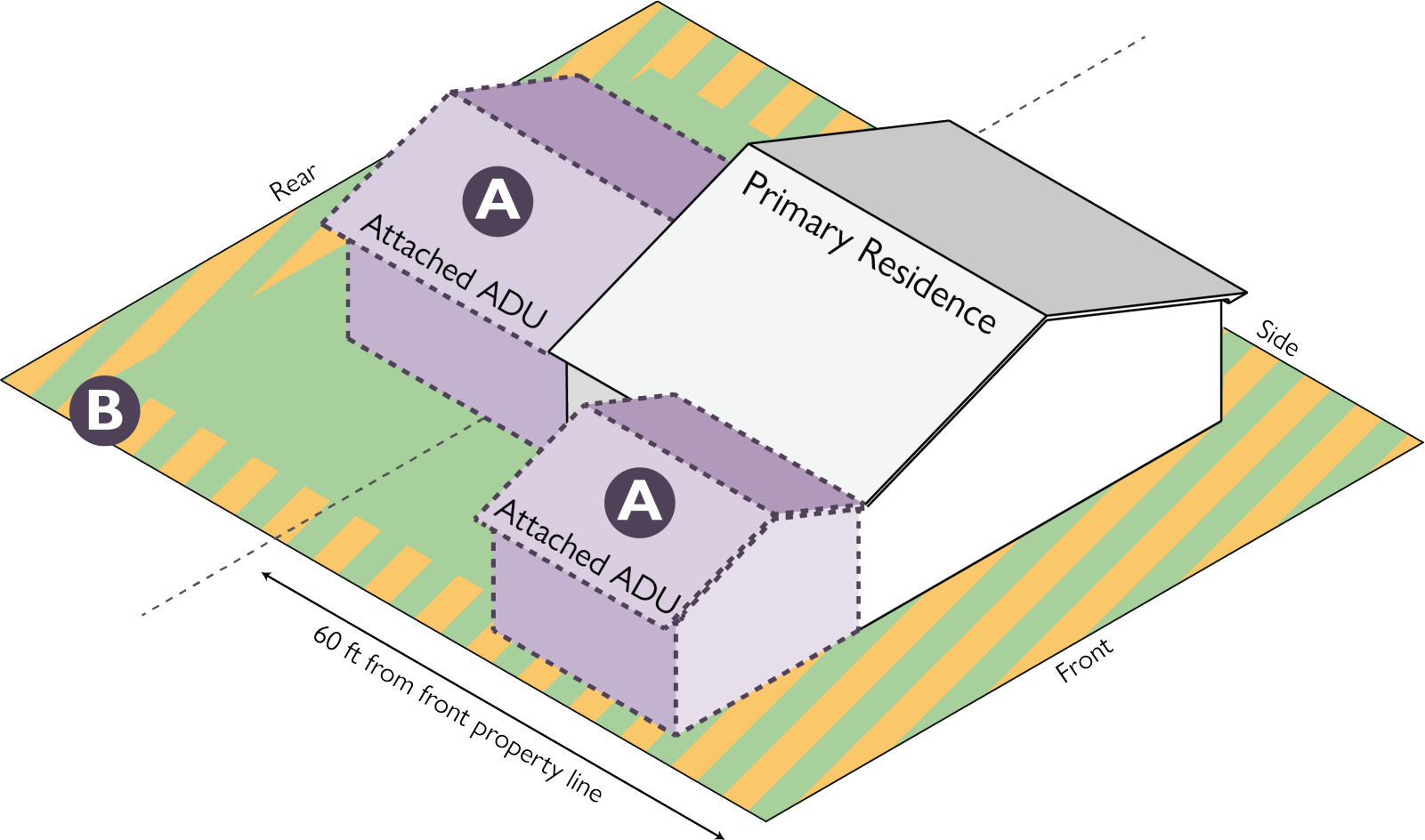
For homeowners prioritizing capital efficiency, an Attached ADU & Home Extensions approach offers an exceptional pathway. Because these units share at least one wall with the primary residence, they are inherently more cost-effective to build. However, this requires flawless structural integration, seamlessly tying the new foundation and continuous roof load paths into the existing primary dwelling.
To ensure the new addition maintains the premium feel of a luxury, independent residence, the shared wall assembly is engineered utilizing advanced soundproofing materials. This includes the installation of resilient channels, high-density acoustic insulation, and mass-loaded vinyl, guaranteeing absolute acoustic separation between the adjoining living spaces
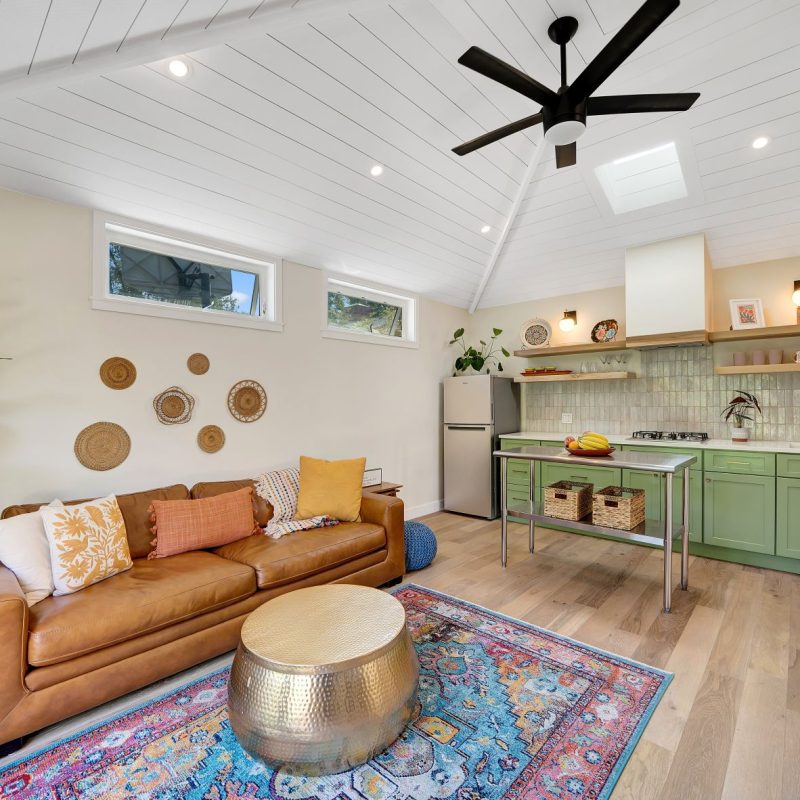
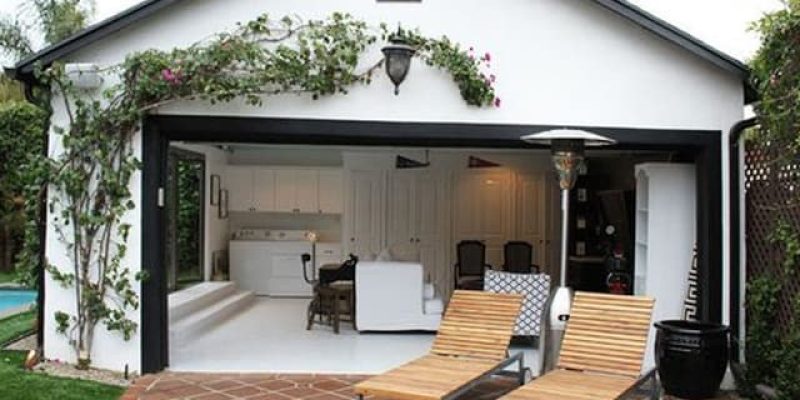
A Garage-to-ADU Conversion is one of the highest-volume potential projects in the San Diego market, transforming non-habitable vehicle storage into a premium living environment. This specialized conversion process demands rigorous engineering to achieve true residential structural integrity.
The existing concrete slab is frequently saw-cut and upgraded with foundation reinforcement to support new heavy-duty point loads and underground plumbing trenches.
Furthermore, the exterior envelope is completely overhauled, integrating continuous high-density insulation to bring the previously unconditioned space into flawless compliance with the 2026 Title 24 thermal efficiency standards
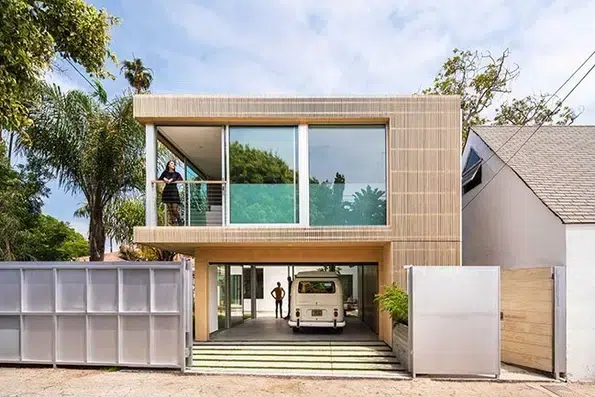
Developing an Above-Garage ADU Construction project represents a specific, high-ticket architectural achievement that preserves the property’s valuable ground-floor hardscape. Erecting a luxury living space above an existing clear span requires highly advanced structural engineering requirements to safely manage the new dynamic second-story loads.
The ground-floor garage framing is systematically retrofitted with heavy-duty lateral shear bracing and Laminated Veneer Lumber (LVL) structural headers, ensuring the new upper-level footprint transfers its kinetic and static weight safely into a newly stabilized foundation system.
Maximizing a property’s legal density often involves converting a JADU (Junior Accessory Dwelling Unit). Understanding the exact statutory difference between an ADU vs. a JADU is critical for a highly efficient permitting strategy.
While an ADU can be an entirely freestanding structure reaching up to 1,200 square feet, a JADU represents a highly specific, high-intent niche: it is strictly limited to a maximum of 500 square feet and must be contained entirely within the existing walls of a single-family residence.
Furthermore, a JADU requires an efficiency kitchen and is legally permitted to share sanitation facilities with the primary home, making it an exceptionally capital-efficient option for generating immediate rental income from an underutilized interior footprint
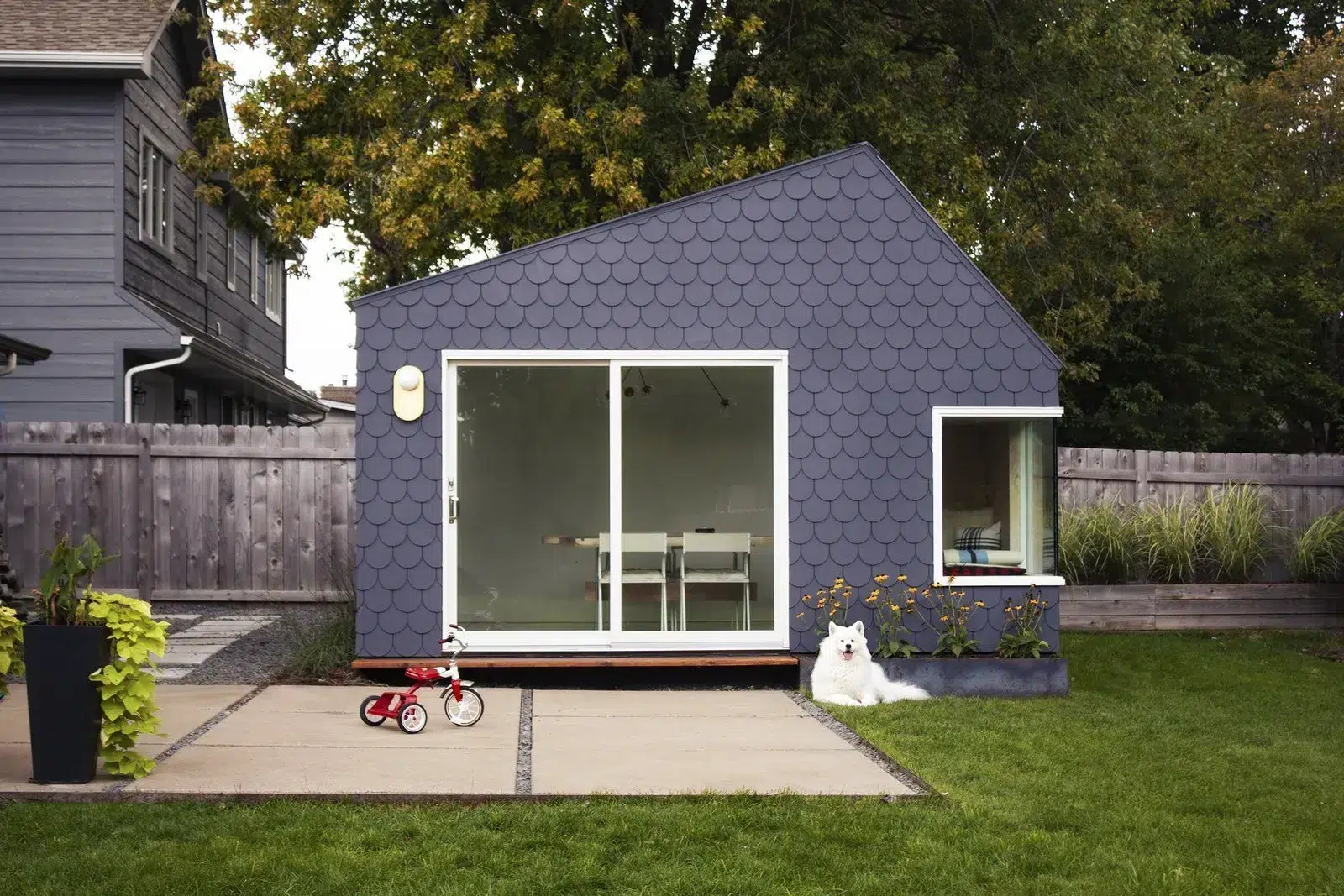
Our Latest ADU Project
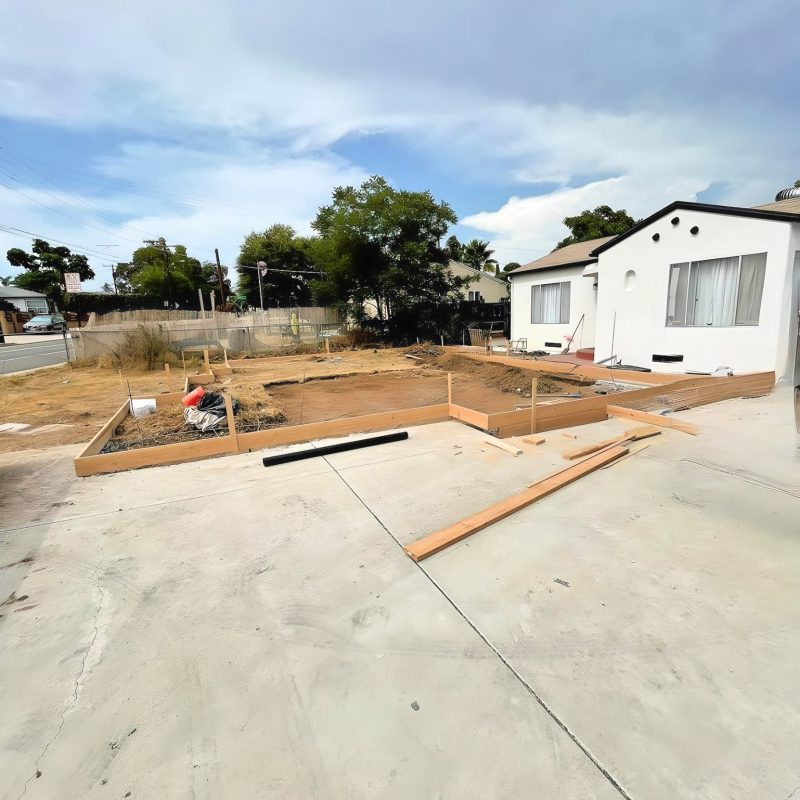
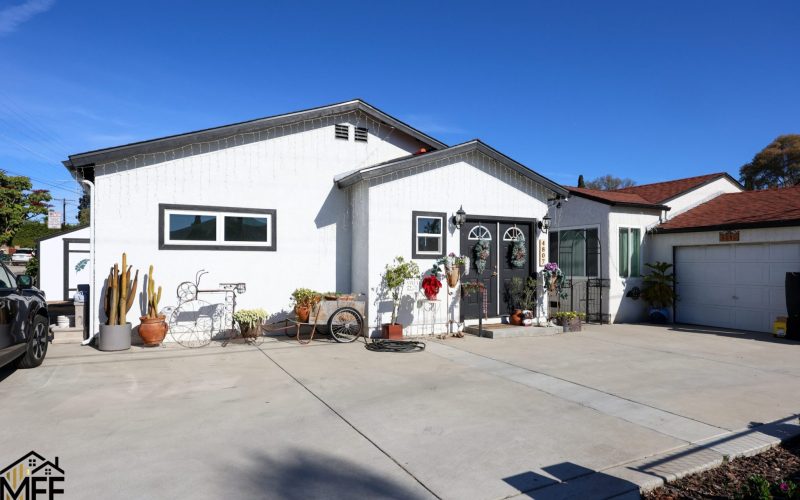
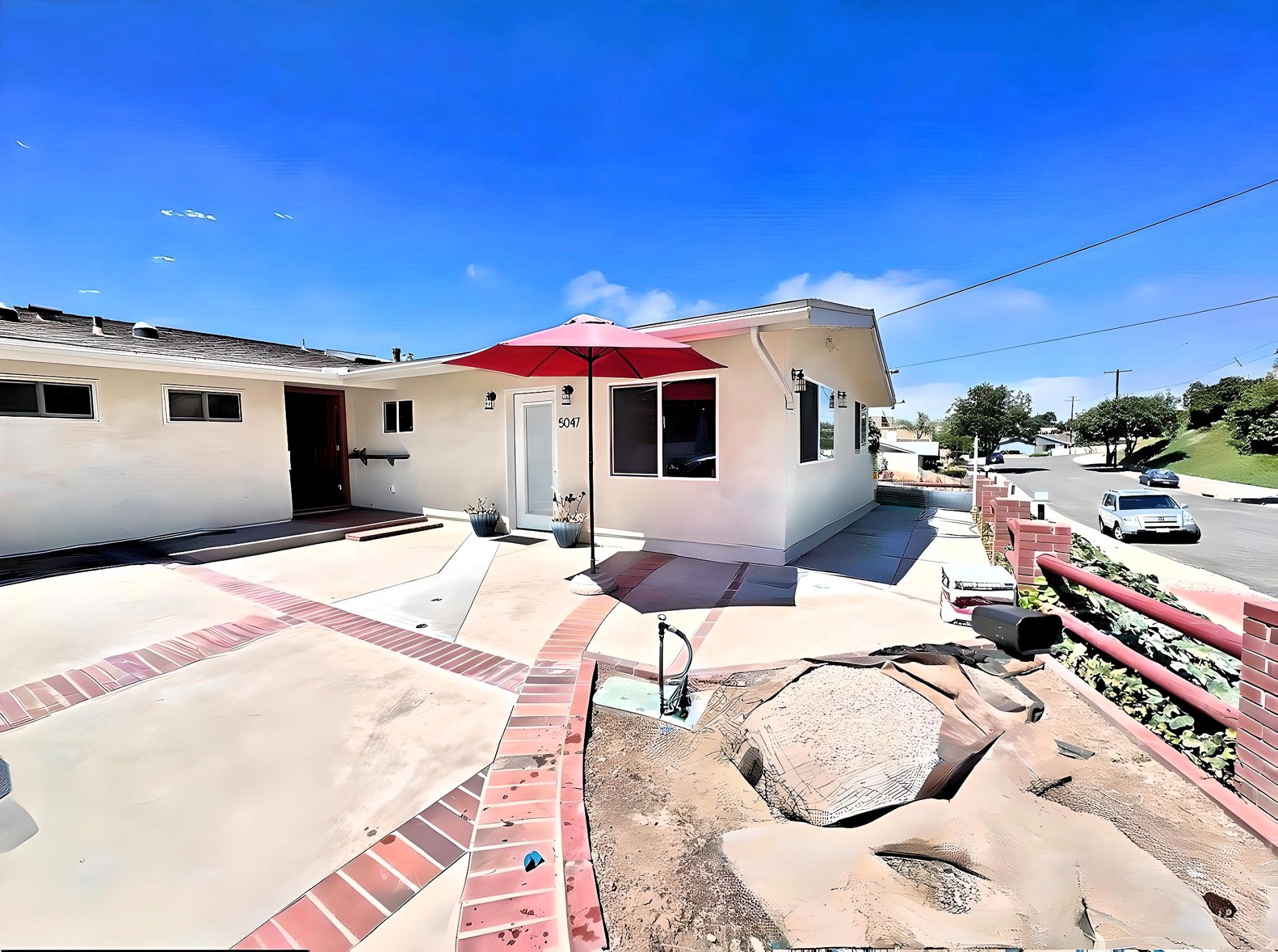
Seamless Attached ADU Addition
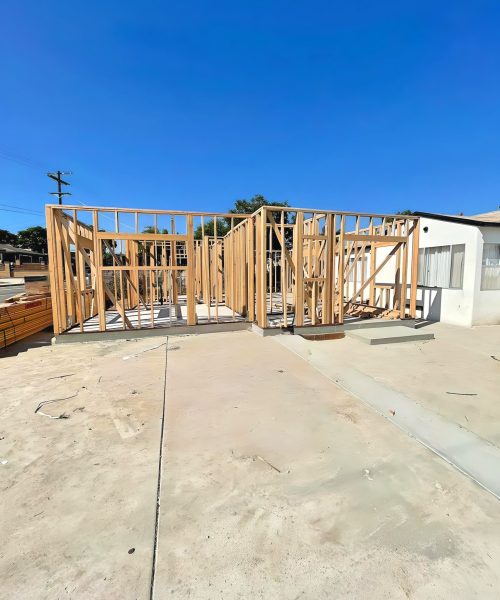
Experience the ultimate home expansion with this stunning, ground-up attached ADU addition in San Diego. Designed to maximize the property’s value and daily functionality, this versatile unit was engineered to look like a natural, seamless extension of the original house rather than an afterthought. Our expert team managed every complex phase of the build, from pouring the new concrete foundation to framing the structural roof and applying a flawless, matching stucco exterior. Striking black architectural trim and elegant double doors complete the modern look, providing a private, welcoming entrance for guests or extended family. Explore the full construction timeline in our gallery to see how MEE Builders expertly handles major structural additions from start to finish.
Navigating San Diego ADU Regulations & Density Optimization
San Diego property owners currently face a complex legislative environment where the state’s aggressive housing goals interact with highly specific localized zoning restrictions. The 2025 and 2026 updates to San Diego Municipal Code Chapter 14, Article 1, Division 3 represent a significant regulatory framework governing the number of units that can be physically and legally placed on a single residential lot. Successfully extracting the maximum allowable density requires executing precise mathematical calculations regarding lot size, underlying base zoning designations, and proximity to municipal transit infrastructure.
The firm operates with profound structural and legal fluency, ensuring that every drafted square foot complies with the updated California Building Standards Code (CBSC) and the localized amendments imposed by the San Diego Development Services Department (DSD).By treating these municipal codes as strict mathematical parameters, the design phase guarantees streamlined administrative execution that secures immediate permitting.
How to Leverage the ADU Density Bonus for Max Yield
San Diego’s ADU Home Density Bonus Program is an innovative local initiative designed to address housing affordability by allowing property owners to bypass standard density limits. Under the mechanics of this program, for every ADU that a property owner deed-restricts as affordable to very-low, low, or moderate-income households for a period of 10 to 15 years, the city permits the construction of an additional, non-deed-restricted “Bonus ADU” that can be rented immediately at full market rates.
Recent legislative updates optimized this program to manage neighborhood development scale while still providing excellent density bonuses. The bonus ADU program is utilized in eligible RS-1-5, RS-1-6, and RS-1-7 zones, or in designated multi-family zones, where the total maximum number of ADUs and JADUs is explicitly governed by the total gross lot area, excluding any environmentally sensitive lands.
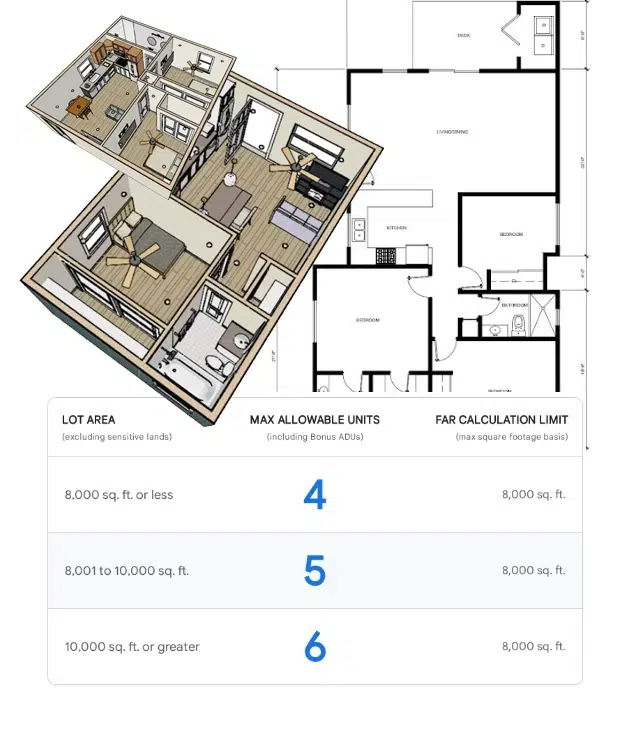
The maximum allowable limits on single-family lots are explicitly categorized: lots measuring 8,000 square feet or less are allowed a maximum of 4 units; lots measuring between 8,001 and 10,000 square feet are allowed 5 units; and expansive lots exceeding 10,000 square feet are granted a maximum of 6 units, inclusive of the primary dwelling and any Bonus ADUs.
By analyzing exact Floor Area Ratio (FAR) exemptions – such as the state-mandated rule that an ADU of 800 square feet or less is legally exempt from standard lot coverage limits, FAR restrictions, and open-space requirements – the architectural team engineers site plans that successfully trigger the highest legal unit count allowed under these density caps.
Multi-Family ADU Allowances & 1,200 Sq. Ft. Exemptions
A profound and highly lucrative opportunity exists for property owners with lots that have an existing or proposed multi-family dwelling structure, provided the builder understands the exact statutory interpretations of the state code.
The 2026 interpretations of the HCD Ordinance guidelines and the San Diego ADU Handbook permit multi-family property owners to build as many detached ADUs as there are existing units on the lot, up to a maximum of eight new detached units.
Crucially, while attached ADUs (those sharing a wall with the primary structure) are tied to a percentage of the primary dwelling’s size, the State ADU Law provides a massive allowance for fully detached units. The code stipulates that local agencies without a compliant ADU ordinance must allow a maximum unit size of exactly 1,200 square feet for a new detached ADU, regardless of the size of the primary residence.
The firm leverages this 1,200 sq. ft. maximum size interpretation to engineer massive, high-yield detached units on multi-family lots.
These structures are meticulously designed with two-story architectural profiles—subject to a two-story maximum structure height limit enforced in specific zones – to extract unparalleled density. By utilizing this exact interpretation, the buildable envelope is maximized while strictly adhering to the minimum of four-foot side and rear setbacks required by fire code, effectively turning underutilized multi-family land into a high-revenue luxury asset
SB-9 Lot Splits vs. High-Density ADU Deployment
Senate Bill 9 (SB-9) permits multi-dwelling unit development and urban lot splits on parcels originally zoned strictly for single-dwelling unit development.
While SB-9 offers the theoretical ability to create entirely separate parcels and sell individual units, it introduces extreme bureaucratic complexity. Lot splits require mandatory owner-occupancy agreements, rigorous and highly expensive infrastructure upgrades (such as completely independent municipal water meters and deep sewer laterals), and face extended timeline delays due to intense local scrutiny
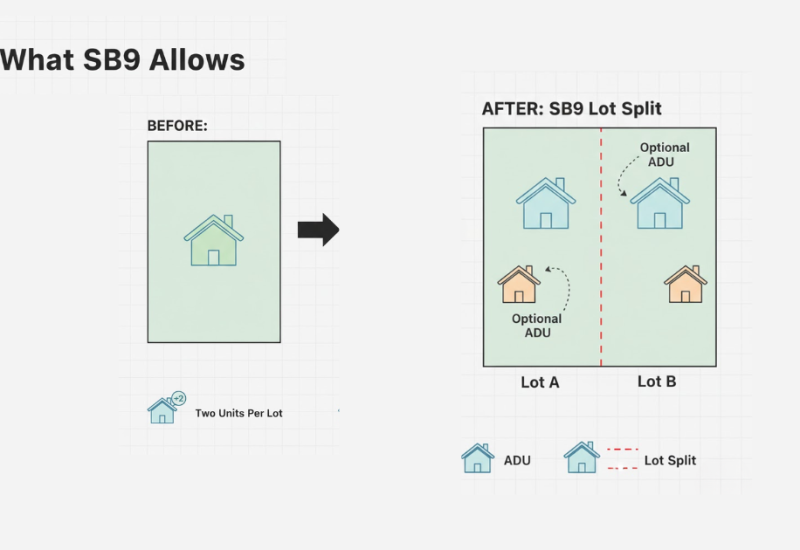
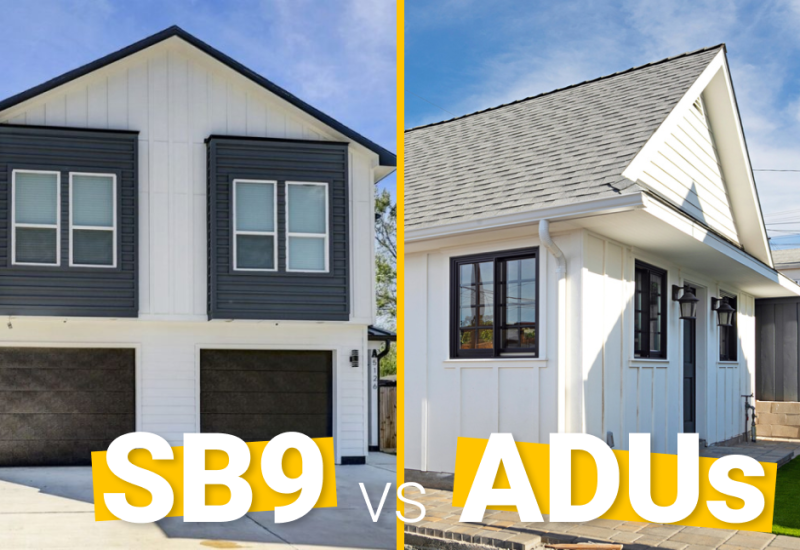
For investors and homeowners prioritizing velocity, capital efficiency, and yield, the ADU density framework is vastly superior to the SB-9 pathway. By utilizing the ADU pathways governed by the HCD Ordinance, property owners bypass the prolonged bureaucratic friction of lot splits.
ADUs do not require the legal creation of new parcels; they are exempt from owner-occupancy requirements (allowing immediate deployment as a pure rental asset), and they benefit from heavily streamlined ministerial approval timelines.
Under the newly enacted Senate Bill 543 (effective 2026), local agencies are legally forced to review ADU applications for completeness within a strict 15-business-day window, guaranteeing an accelerated path to construction. The architectural team navigates these exact statutory provisions to ensure rapid approvals.
Selling Your ADU: AB 1033 Condominium Conversion Strategies
A critical development in the financial strategy of accessory units is the local adoption of Assembly Bill 1033 (AB 1033).
Effective in the San Diego jurisdiction, this groundbreaking legislation allows ADUs to be officially subdivided into individual condominium units and sold entirely separately from the primary residence.
Executing a separate sale requires the creation of condominiums pursuant to the Davis-Stirling Common Interest Development Act and strict conformance with the Subdivision Map Act.
A major requirement in this process is that the ADU must maintain an independent water, sewer, or electrical connection to the utility provider, necessitating advanced trenching and sub-metering engineering during the initial construction phase. By engineering the ADU’s mechanical, electrical, and plumbing (MEP) infrastructure for total autonomy from day one, property owners are provided with a highly lucrative exit strategy, allowing them to liquidate the secondary dwelling as a standalone real estate asset.
Precision Geotechnical & Foundation Engineering in San Diego
Executing ground-up autonomous unit construction across San Diego County requires a deep understanding of the region’s highly variable physical environment and its rigid municipal frameworks. Operating from a centralized headquarters at 8400 Miramar Rd suite 200a- located strategically 20 minutes from Petco Park and the Downtown San Diego core – the firm ensures rapid deployment of excavation, engineering, and framing crews to urban density infill projects across the entire 921XX zip code grid.
Mastering the local construction market means adapting architectural plans to San Diego’s beautiful yet complex network of coastal bluffs, alluvial floodplains, and steep inland canyons. Constructing a Granny Flat or a fully detached 1,200-square-foot secondary dwelling requires isolating the new structural slab to perfectly match localized soil conditions and executing engineered adaptations to highly specific regional microclimates. Every geographical sector presents unique geotechnical opportunities that dictate the foundational and material specifications required to secure a premium build.
Mitigating Expansive Clay Soils in Inland San Diego ADUs
Moving outward from the coastal center into inland foothill communities, the geotechnical focus shifts to expansive clay Vertisols, specifically identifying the Diablo and Las Flores soil series.
These localized soils contain a high concentration of smectitic minerals, which interact dynamically with moisture. When these heavy clays absorb seasonal moisture during Southern California’s winter rain events, they expand, creating upward hydrostatic pressure against any concrete poured above them – a mechanical factor defined as “edge lift”.
During the extended dry summer months, the soil dehydrates and contracts, creating “center lift”.
To build a lasting, luxury detached ADU in these specific inland zones, MEE Builders works with structural engineers to design rigid, deep foundation systems that accommodate this kinetic movement.
This protocol frequently involves drilling deep concrete caissons directly into stable load-bearing strata, heavily pre-saturating the topsoil subgrade to a depth of 18 inches prior to the concrete pour, and installing high-density 10-mil vapor barriers.
This completely isolates the new structural slab, guaranteeing the flawless installation of rigid, large-format porcelain or sintered stone flooring without future shifting
ADU Excavation in Mission Valley's Stadium Conglomerate Rock
Projects situated closer to the geographic center, particularly in the immediate areas surrounding the Mission Valley expansion markets, feature unique excavation profiles.
Parcels here often sit directly atop specific geological formations, notably the Mission Valley Formation (Tmv) and the Stadium Conglomerate (Tst). The Stadium Conglomerate is characterized by hard, cemented concretionary zones deeply embedded within the formational materials.
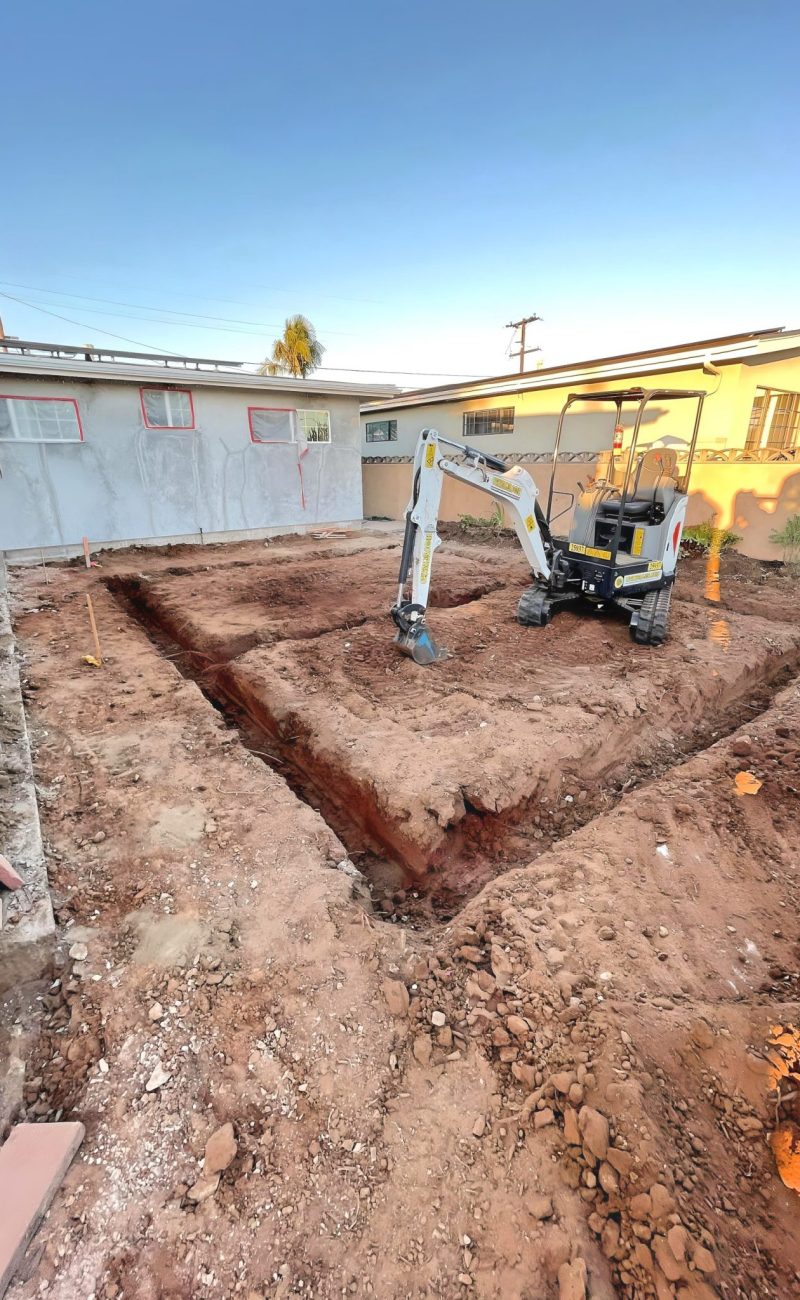
When trenching for independent ADU sewer laterals or excavating footings for a new detached structure in this corridor, digging into this formation utilizes heavy-duty rock-breaking equipment and specialized exportation protocols to clear the site safely and efficiently.
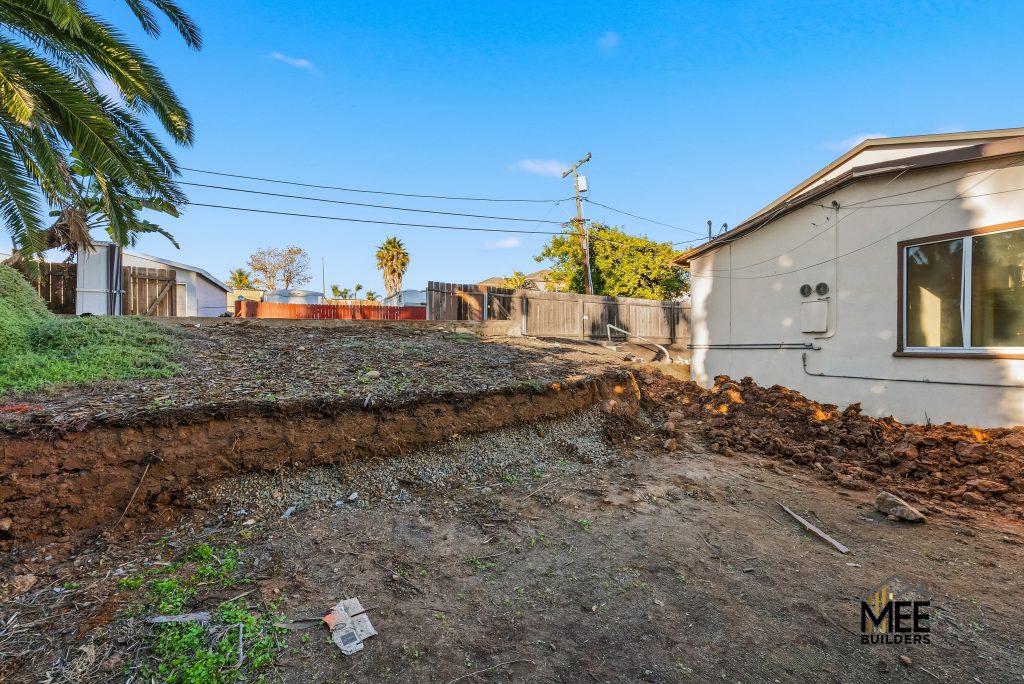
Furthermore, properties located closer to the San Diego River basin sit on alluvial soils with high seasonal water tables, presenting unique opportunities to implement advanced soil importation techniques and precise adherence to the City’s Storm Water Standards prior to the foundation pour
Weatherproofing San Diego Coastal ADUs Against Salt & Fog
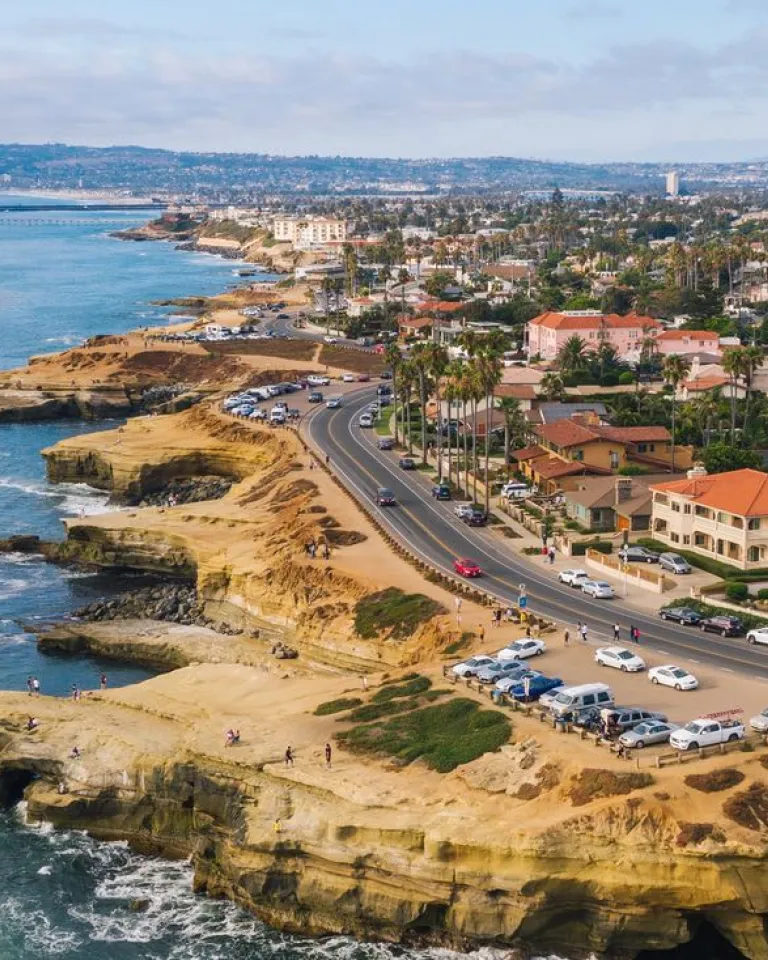
Conversely, ADUs constructed in coastal-adjacent zones west of the I-5 utilize a strategic, material-science approach to airborne moisture and atmospheric conditions. The persistent coastal marine layer dictates the use of highly resilient building materials to guarantee long-term asset preservation. When executing an attached ADU or a JADU on an aging coastal property, the integration phase includes a complete forensic structural audit of the existing building envelope to ensure a seamless and stable tie-in.
Because structural timber and custom cabinetry are hygroscopic—absorbing and releasing moisture to reach equilibrium with the ambient environment—high-end custom millwork and hardwood flooring destined for coastal ADUs must be staged on-site in an actively climate-controlled environment.
This meticulous attention to environmental equilibrium ensures that once the ADU’s HVAC system is fully operational, the wood maintains its exact dimensions, preserving dovetail joinery and pristine painted finishes along the grain lines
Protecting Your ADU: Deep Foundations & 10-Mil Vapor Barriers
Whether building on the sandy loam of the coastal marine terraces or the highly expansive Diablo clays of the inland corridors, the foundation must completely neutralize localized geotechnical distress.
When expansive soils are present—a reality for much of the 921XX zip codes—the 2026 California Residential Code (CRC) mandates specific structural foundation modifications.
Standard, unreinforced concrete slabs are routinely upgraded to heavily engineered systems. To protect the rigid large-format porcelain or sintered stone flooring from kinetic stress, continuous footings utilizing 2,500 psi concrete are engineered.
The subgrade is heavily pre-saturated to 18 inches to trigger pre-expansion, and the concrete assembly is reinforced with #4 continuous steel rebar placed within 4 inches of the bottom and top of the footings.
Crucially, a heavy-duty 10-mil vapor barrier is installed with meticulously lapped joints beneath the slab underlayment to completely block subterranean moisture transmission, ensuring the interior living space remains permanently dry and structurally sound
San Diego ADU Setbacks, Fire Codes & Property Lines
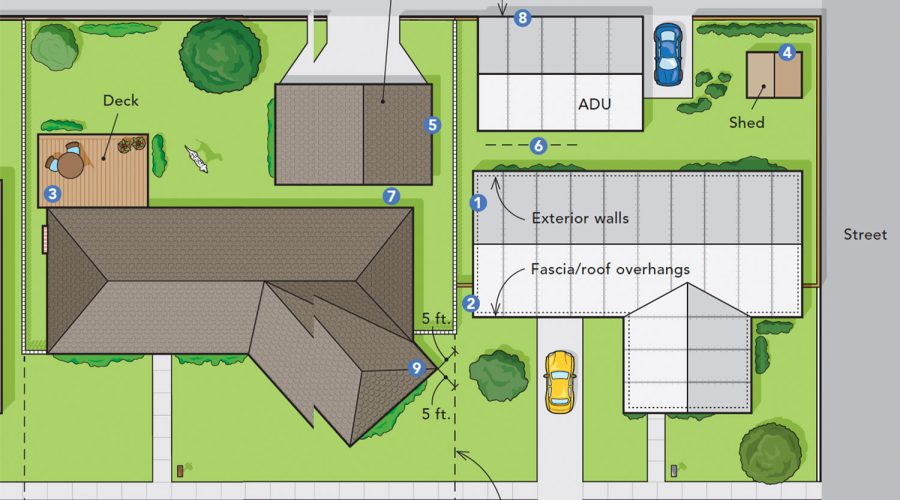
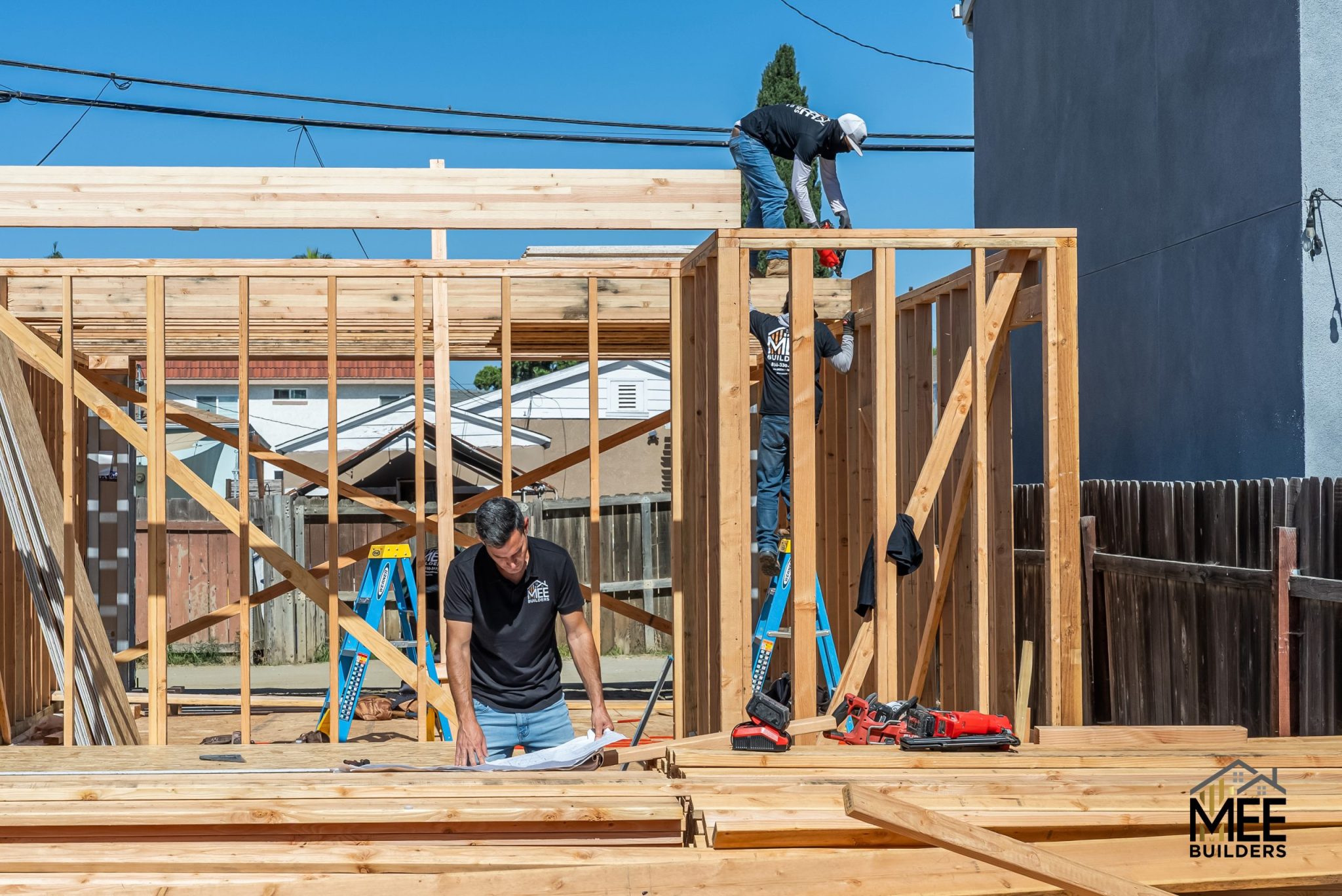
Executing a structural footprint expansion for a secondary dwelling involves far more than basic framing; it requires rigorous adherence to life-safety codes.
The California Building Standards Code (CBSC) and the updated 2026 Consolidated Fire Code dictate exactly where a structure can be physically placed in relation to property lines, existing architecture, and brush management zones
The Imaginary Property Line: ADU Egress & Fire Separation
When constructing multiple detached ADUs on a single parcel, structural engineers use the highly technical concept of the Imaginary Property Line (IPL), which is drawn directly between the structures. If an ADU is built such that the IPL is less than 3 feet from the exterior wall, the building code strictly prohibits the installation of any egress windows or doors on that side of the structure to maintain absolute fire safety.
If the distance is mathematically calculated to be between 3 and 5 feet, the openings are legally restricted to a maximum of 25% of the total wall area.
Furthermore, a detached ADU must maintain a minimum separation of 6 feet from any existing structures on the lot. If the eave-to-eave distance between the primary residence and the ADU is less than 10 feet, the code mandates the use of highly specialized fire-rated construction materials on the exterior envelope.
These exact spatial constraints are mathematically
modeled in advanced CAD software prior to any permitting submittal. By analyzing these critical fire separation distances early, the placement of the Egress Window complies flawlessly with safety parameters without triggering field corrections.
Building ADUs in San Diego's Very High Fire Hazard Zones
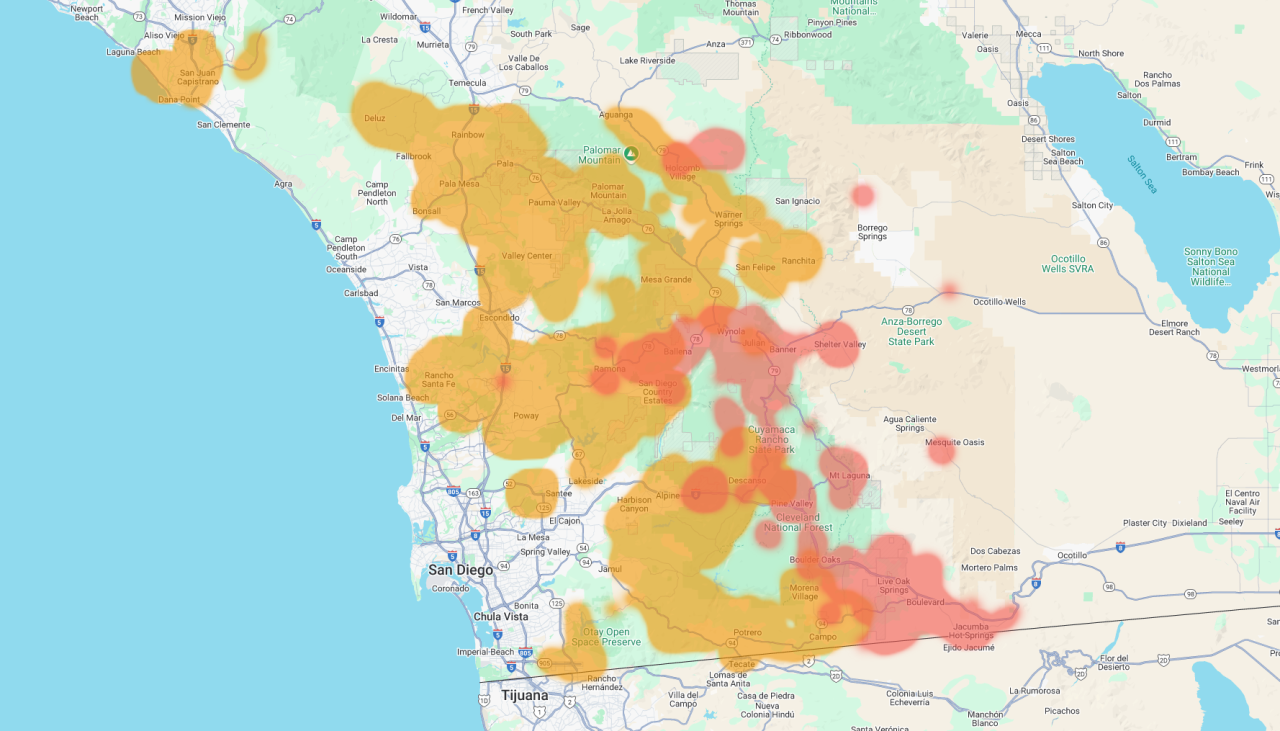
San Diego’s unique topography interfaces heavily with the Wildland-Urban Interface (WUI). For parcels located within a designated Very High Fire Hazard Severity Zone (VHFHSZ), the 2026 regulations mandate strict defensible space protocols. Regardless of the structure’s overall height, any ADU built in these high-risk zones must observe a strict minimum of four-foot interior side yard and rear yard setbacks.
Additionally, as part of the new density optimization rules, the ADU Bonus Program is prohibited on lots within these severity zones if they front a cul-de-sac or possess only a single point of ingress and egress, ensuring adequate evacuation routes are maintained for emergency apparatus.
These 2026 WUI fire safety standards are implemented by utilizing noncombustible claddings, ember-resistant Zone 0 perimeter buffering, and rigorous setback adherence to guarantee immediate approval from the Fire Code Official
San Diego ADU Utilities: Electrical, Plumbing & Solar Systems
An ADU is not merely a cosmetic room addition attached to a house; it is an entirely autonomous structure requiring independent geotechnical validation, heavy-duty mechanical engineering, and rigorous foundation stabilization to ensure a multi-generational design life
Trenching Sewer, Water & Electrical Laterals for ADUs
To ensure the ADU operates autonomously – a strict requirement for maximizing rental yield and facilitating future condominium sales under AB 1033 – the mechanical, electrical, and plumbing (MEP) infrastructure must be heavily engineered. Deep infrastructure trenching is executed to tie the new ADU into the municipal sewer lateral, utilizing high-durability ABS waste lines graded at a precise 1/4-inch per foot slope to prevent blockages and sediment buildup. If the ADU is situated below the existing sewer grade due to canyon topography, advanced sewage ejector pump systems are engineered to securely transport waste uphill to the main lateral.
Water supply lines are routed utilizing modern PEX-A (cross-linked polyethylene) piping, which aggressively resists the hard mineral content of San Diego’s municipal water supply and permanently prevents the internal rust scaling associated with older, legacy galvanized pipes
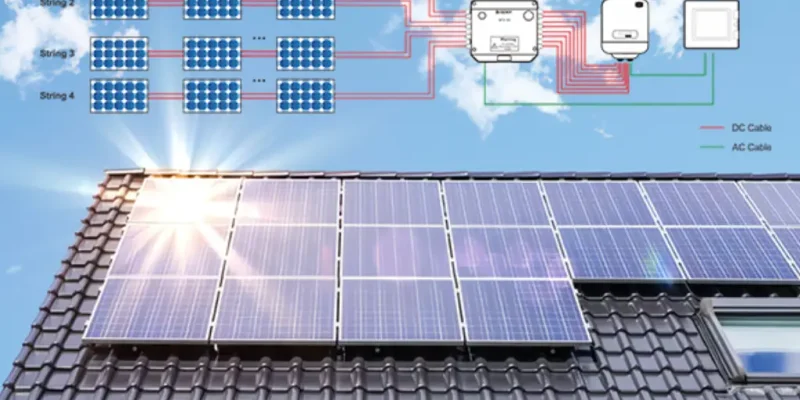
Meeting California's 2026 Solar & Electric-Ready ADU Mandates
Executing an ADU build legally triggers mandatory compliance with the 2026 California Title 24 Energy Code updates.
These state mandates enforce strict thermal efficiency, ventilation, and electrification standards across the entire newly constructed building envelope, providing long-term energy savings for the property owner.
ADU Solar Requirements & 400-Amp Electrical Panel Upgrades
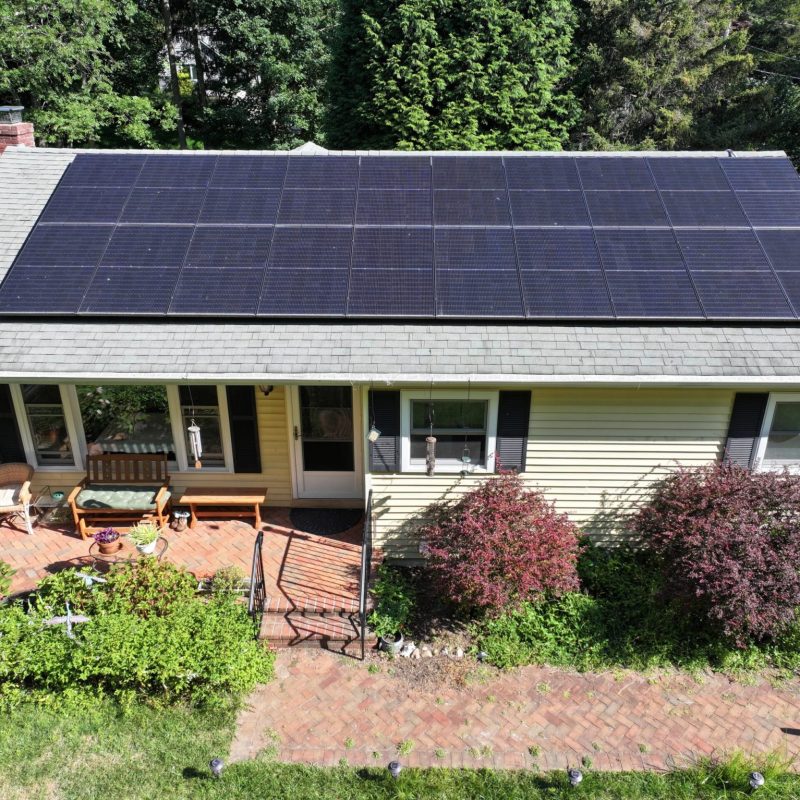
Under the current energy standards, any newly constructed, non-manufactured detached ADU is legally required to install a dedicated Solar Photovoltaic (PV) system. This specific mandate ensures the detached unit offsets its own electrical consumption, drastically lowering operating costs for the landlord.
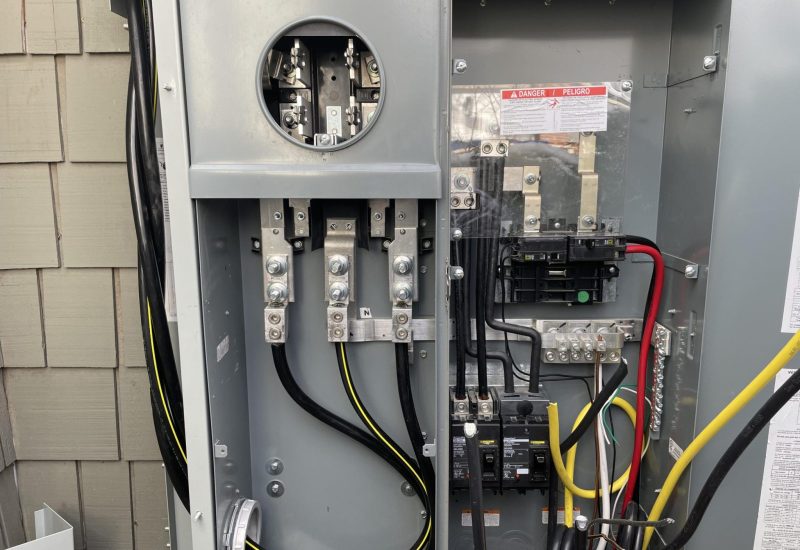
To support this solar integration, as well as the 2026 “electric-ready” mandates, the primary property frequently requires a massive electrical overhaul.
The code strictly requires that the ADU be hardwired with dedicated 240-volt, 50-amp circuits utilizing heavy-gauge copper wiring to support future high-efficiency heat pump water heaters, heat pump HVAC systems, and induction cooking ranges.
Direct coordination with SDG&E is handled to upgrade the main property service to a robust 400-amp electrical panel system, ensuring safe, concurrent electrical load management without the risk of nuisance tripping the breakers.
Title 24 Thermal Efficiency & High-Density ADU Insulation
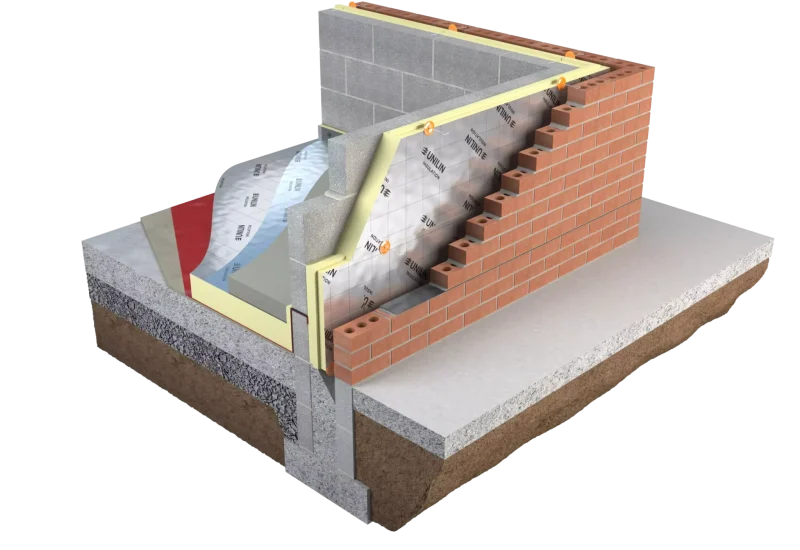
To achieve the extreme thermal efficiency demanded by Title 24, the exterior shell of the ADU must be engineered to break the “thermal bridge” naturally created by standard wooden wall studs.
A continuous layer of rigid exterior insulation is often installed directly over the structural framing, drastically reducing the overall heating and cooling loads of the unit.
All fenestration (new windows and exterior doors) must meet a rigorous maximum U-factor rating of 0.30 or lower, paired with specialized low Solar Heat Gain Coefficients (SHGC) to prevent the harsh Southern California sun from turning the small footprint unit into a greenhouse.
Once the interior ductwork is meticulously sealed with mastic, the ADU flawlessly passes the mandatory HERS (Home Energy Rating System) diagnostic blower-door test, executed by an independent third-party rater prior to the final issuance of the Certificate of Occupancy.1rced to review ADU applications for completeness within a strict 15-business-day window, guaranteeing an accelerated path to construction. The architectural team navigates these exact statutory provisions to ensure rapid approvals.
Maximizing ADU ROI: San Diego Submarket Analysis
The luxury remodeling industry in San Diego is heavily populated by corporate design-build firms that prioritize volume and generic aesthetics.
A detached structure represents a significant capital allocation, with average construction costs for a detached ADU in San Diego ranging from $180,000 to $540,000, depending heavily on the necessity for deep geotechnical engineering, utility trenching distances, and the integration of advanced energy systems. The sweet spot for a standard detached ADU typically lands between $300,000 and $450,000 in hard costs.
To maximize this capital expenditure, the architecture is inherently designed from its inception to optimize the capitalization rate (Cap Rate). The firm operates as an “Anti-Generalist,” rejecting standard builder-grade floor plans in favor of executing “ROI-Engineered ADUs.”
Under the direct, daily oversight of owner Yaron Gauzner, the firm brings a centralized point of authority to every project.1 By utilizing a decade of precise compliance data, the team pre-vets every architectural line against San Diego’s exact municipal realities.
The same entity that verifies the structural load paths of the roof tie-ins is actively negotiating permit fees and orchestrating the monolithic foundation pour, completely eliminating the corporate “hand-off errors” that plague disconnected design-build firms. This lean, direct-response operational model secures rapid permitting and ensures the final layout provides the absolute highest legal rental yield achievable on the parcel.
MEE Builders specifically targets the unique needs of real estate investors and landlords through dedicated Multi-Family ADU Investment Projects. The financial calculus for these properties differs significantly from that of a standard homeowner project.
By executing a precise ROI analysis based on current rental yield data, the firm engineers unit layouts that maximize monthly rental income potential. Furthermore, by navigating the complex regulations of the state HCD Ordinance, investors can bypass the prolonged bureaucratic friction of SB-9 lot splits, opting instead to rapidly deploy multiple high-yield detached units on their existing multi-family parcels
High-Yield ADU Corridors: North Park, Logan Heights & Mira Mesa
San Diego’s rental market remains incredibly robust, driven by persistent housing supply shortages, a strong biotech employment base, and heavy military tenant presence. In high-demand urban corridors, well-engineered ADUs generate substantial monthly cash flow that rapidly offsets initial construction costs.
Data indicates that one-bedroom and two-bedroom ADUs in central submarkets are commanding premium rents, making the ROI-Engineered approach highly lucrative. For example, in the highly walkable, transit-oriented neighborhood of North Park, a well-appointed two-bedroom unit commands an average rent of $3,731 per month, with efficient one-bedroom layouts averaging $2,650.22. Similarly, Logan Heights has rapidly transformed into a prime market for value-add investors; its close proximity to major employment centers and the Downtown core allows newly constructed one-bedroom ADUs to achieve robust rental yields between $1,550 and $1,900 monthly, depending on the finish quality and the inclusion of Title 24 energy-efficient amenities.
Moving slightly north, the Mira Mesa corridor remains one of the most strategically important submarkets due to its direct proximity to the Sorrento Valley tech hubs and MCAS Miramar. Here, high-efficiency two-bedroom ADUs serve as premium assets for young professionals and military personnel, pushing rental yields upward.
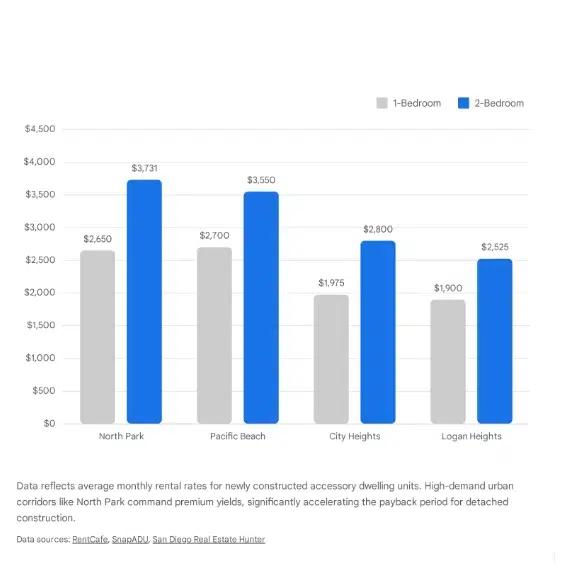
San Diego ADU Rent Estimates by Zip Code
When a 600-square-foot detached unit generates $36,000 to $44,000 in gross annual rent, the cash-on-cash returns consistently hit the 10% to 18% threshold.17 Furthermore, properties with legally permitted ADUs experience a long-term property value appreciation that frequently exceeds 20% to 35% of the baseline estate value.
Every linear foot of the ADU is optimized for this exact financial reality, specifying highly durable PEX-A plumbing, rigid Type-L copper supply manifolds, and heavy-duty ABS waste lines to permanently protect the investor’s net operating income (NOI)
Submarket / Neighborhood | Strategy Focus | Avg. 1BR Rent | Avg. 2BR Rent | Value-Add Potential |
North Park | High-Yield / Walkable Transit | $2,650 | $3,731 | Maximum cash flow, premium finishes required. |
Logan Heights | Rapid Appreciation / Infill | $1,550 – $1,900 | $2,525 | High rent-to-price ratio, strong tenant demand. |
Mira Mesa | Tech/Military Proximity | $2,200 | $3,000+ | Consistent occupancy, dual-income households. |
City Heights | Entry-Level Density | $1,600 | $2,800 | High volume demand, excellent for 800 sq ft models. |
Streamlining San Diego ADU Permits & Impact Fees
The hallmark of exceptional luxury construction is seamless synchronization between the designer drafting the initial blueprints and the structural realities required by the Development Services Department (DSD). This is resolved by front-loading the civil engineering and utilizing the proprietary “Build-Ready Architecture” model, ensuring that the initial design intent is instantly compliant with municipal codes
Information Bulletin 400 and Development Impact Fees
San Diego Information Bulletin 400 provides the strict, comprehensive regulatory guidelines for obtaining an ADU building permit. Navigating this highly bureaucratic process requires isolating the exact capital requirements before heavy earth-moving equipment ever arrives on site.
Current state legislation dictates that ADUs built under 750 square feet are entirely exempt from standard Development Impact Fees, immediately optimizing capital efficiency for investors. Conversely, units constructed specifically through the ADU Home Density Bonus Program are now legally required to pay a newly established Community Enhancement Fee. However, this fee is waived if the unit is located in a High Resource Area and deed-restricted to very low-income households. These exact overlapping municipal assessments are mathematically calculated during the drafting phase, optimizing the square footage of the ADU to maximize the financial return.
The Coastal Overlay Zone Exemptions
Properties situated west of the I-5 frequently fall within the highly scrutinized Coastal Overlay Zone. Under Information Bulletin 400, certain recent ADU regulations—such as specific street tree requirements and relaxed interior setbacks—are not strictly effective within the Coastal Overlay Zone until formally certified by the California Coastal Commission.
Furthermore, an ADU constructed within the Beach Impact Area of the Parking Impact Overlay Zone (and located outside of a sustainable development area) legally requires the permanent installation of one off-street parking space.
Operating as a centralized point of authority, direct negotiations are handled with city planners, executing the precise linear-foot calculations required to secure Coastal Development Permits (CDP) or legally utilize state-mandated ADU structural exemptions.
Through direct owner oversight, the redesign loops that plague standard projects are prevented, seamlessly transforming complex San Diego topography into heavily appraised, high-yield luxury real estate.

Waiving ADU Parking Requirements in Transit Priority Areas
A massive financial advantage in ADU development is the legal elimination of the off-street parking mandate.
Pouring concrete parking pads and engineering driveway extensions consumes highly valuable buildable area and requires upfront capital. Under the updated 2026 regulations, parking is entirely waived for ADUs on properties located within a designated Transit Priority Area (TPA) or Sustainable Development Area (SDA).
The baseline definition of a Transit Priority Area requires the property to be located within a one-half-mile walking distance of a major public transit stop.
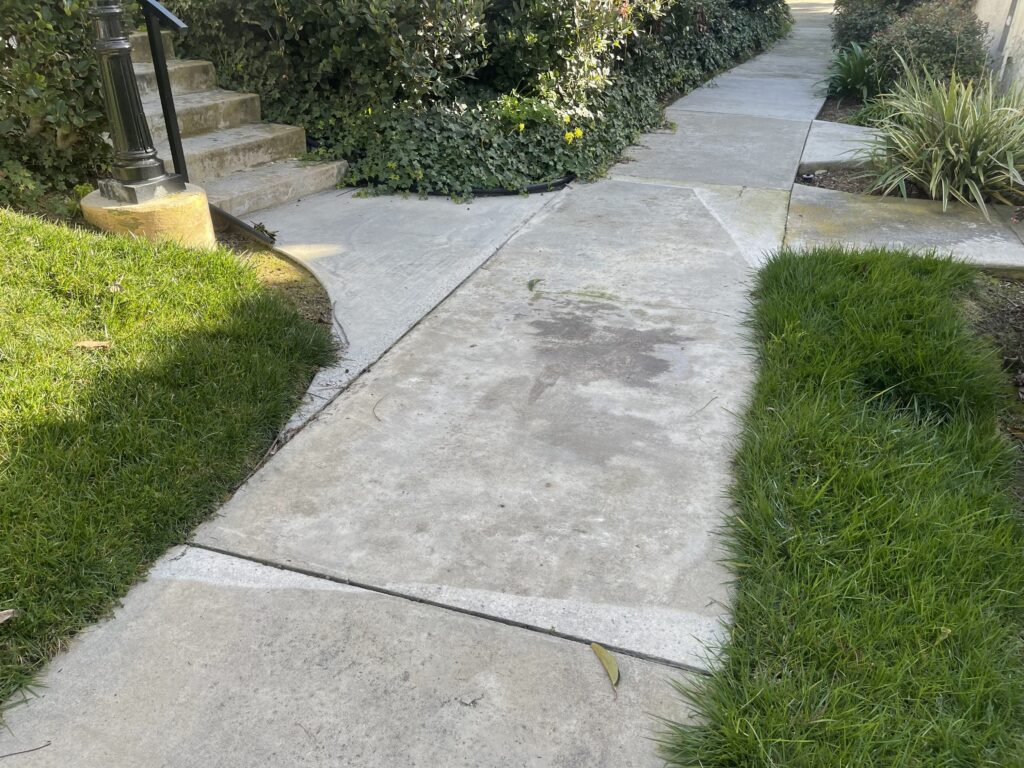
The 2026 legislative clarification ensures that this walking distance must include a continuous sidewalk to be legally considered a valid “pedestrian path of travel”. If a property lacks this continuous sidewalk infrastructure, one off-street parking space must be engineered into the site plan for each affordable and bonus ADU developed outside of the TPA.
Comprehensive pre-construction civil engineering analyses are conducted to verify these exact geographic and infrastructure parameters before any blueprints are finalized, ensuring flawless municipal compliance
The MEE Builders FAQ: Permitting, Timelines, And Cost Strategies
How much does a detached ADU cost in San Diego?
The average cost for a standard detached ADU ranges between $200,000 and $400,000 in hard costs. This baseline fluctuates heavily depending on utility trenching distances and the necessity for deep geotechnical engineering required by the San Diego Development Services Department. MEE Builders optimizes your capitalization rate by engineering the footprint to legally bypass standard Development Impact Fees for units under 750 square feet. We specify heavy-duty ABS waste lines and PEX-A plumbing manifolds to permanently protect the investor’s net operating income from future maintenance liabilities
What is the difference between an SB-9 lot split and high-density ADU deployment?
High-density ADU deployment is vastly superior for investors prioritizing velocity and capital efficiency over prolonged bureaucratic friction. Senate Bill 9 (SB-9) introduces extreme administrative complexity, requiring mandatory owner-occupancy agreements and highly expensive infrastructure upgrades like completely independent municipal water meters. Conversely, the ADU density framework governed by the state HCD Ordinance completely exempts properties from owner-occupancy requirements and benefits from streamlined ministerial approval timelines. MEE Builders utilizes the 1,200 sq. ft. multi-family interpretation to maximize legal rental yields rapidly.
How do you ensure ADU construction complies with San Diego building codes?
We secure immediate municipal approval by utilizing our proprietary “Build-Ready Architecture” model backed by a decade of precise municipal compliance data. Every drafted square foot is mathematically vetted against the 2026 California Building Standards Code and exact Floor Area Ratio (FAR) exemptions. Under the direct oversight of Yaron Gauzner, the exact same entity verifying the structural load paths actively orchestrates the monolithic foundation pour. This centralized process guarantees flawless integration of Title 24 thermal efficiency mandates and specialized low Solar Heat Gain Coefficients (SHGC) fenestration.
How long does a typical ADU construction project take?
It takes 6 to 9 months to complete a comprehensive detached ADU from the initial site assessment to the final Certificate of Occupancy. Construction velocity is strictly dictated by San Diego Information Bulletin 400 requirements and the mandatory 3 to 5 month standard permitting timeline. MEE Builders accelerates this schedule by managing all civil engineering in-house and executing flawless pre-construction plan checks. Under Senate Bill 543, local agencies are forced into a strict 15-business-day review window for completeness, effectively preventing administrative delays at the city planner’s desk.
What makes MEE Builders different from other San Diego ADU companies?
MEE Builders operates exclusively as an “Anti-Generalist,” rejecting generic builder-grade floor plans to execute ROI-Engineered ADUs. Large corporate design-build firms suffer from severe communication lag and catastrophic project manager hand-off errors. We operate with a centralized point of authority, meaning the exact team engineering your 400-amp electrical panel system upgrade is actively negotiating your municipal permits. This structural mastery guarantees that your autonomous living unit functions as a high-yield asset maximizing your exact capitalization rate.
What is the "life expectancy" of a detached ADU in the San Diego climate?
A properly engineered autonomous ADU provides a multi-generational design life exceeding 75 years. Achieving this extreme longevity requires aggressive material science to combat both inland geotechnical distress and persistent coastal marine layers. MEE Builders completely isolates the interior living space using continuous exterior rigid insulation to completely break the thermal bridge of standard wooden wall studs. By specifying rigid Type-L copper supply manifolds and ACQ-rated pressure-treated lumber, we permanently protect the building envelope from saltwater corrosion and biological degradation.
Do you need access to my main electrical panel to construct the ADU?
Yes, constructing an autonomous ADU legally triggers mandatory compliance with 2026 Title 24 energy mandates requiring main electrical service upgrades. The state energy code forces new detached units to be hardwired with dedicated 240-volt, 50-amp circuits to support future high-efficiency heat pump water heaters and induction cooking ranges. MEE Builders directly coordinates with SDG&E to upgrade the primary residence to a robust 400-amp electrical panel system. This heavy-duty mechanical engineering guarantees safe, concurrent electrical load management without nuisance tripping the breakers.