
San Diego Room Additions and Second-Story Additions for More Space and Long-Term Home Value
How to Plan a San Diego Room Addition Around Lot Limits, Structure, and ROI
A room addition San Diego project requires synthesizing architectural footprint expansion with precise municipal zoning matrices. MEE Builders executes engineered home additions, integrating site-specific structural load paths and roof tie-ins to maximize the legally allowable Floor Area Ratio (FAR) while strictly adhering to 2026 California Residential Code updates.
- Fully Licensed & Insured: CSLB #1046249
- 10 Years of Excellence: Serving the San Diego, CA
- 100+ Verified Reviews Google, Yelp, Houzz
How San Diego Site Conditions Shape Room Addition Design and Cost
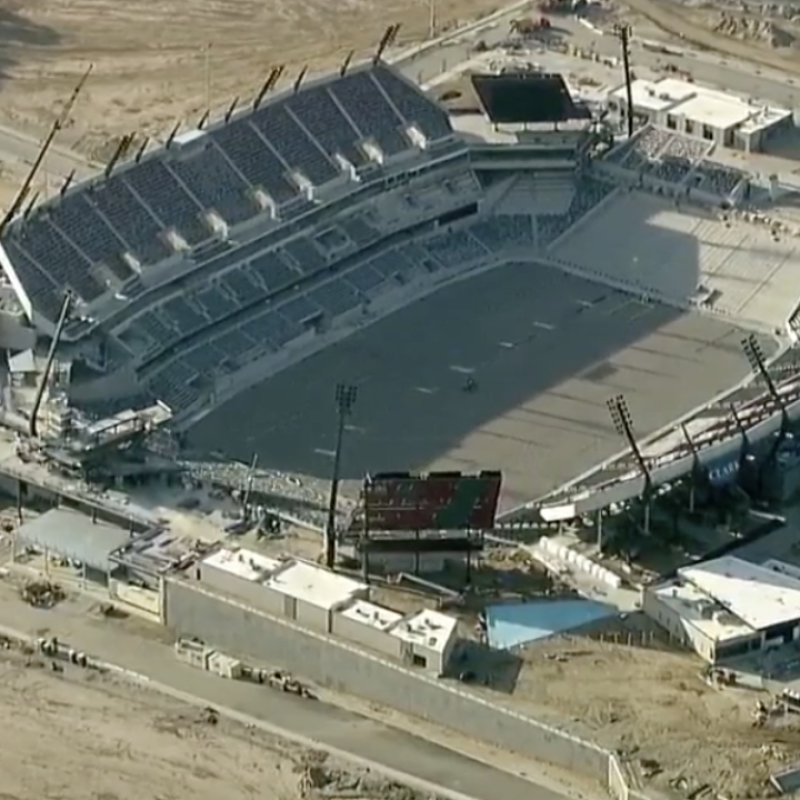
Executing a structural home extension across San Diego County requires profound familiarity with the region’s highly variable physical environment, rigorous municipal codes, and distinct microclimates. Operating from a centralized headquarters at 8400 Miramar Rd suite 200a- located strategically 15 minutes from Snapdragon Stadium – MEE Builders ensures rapid deployment of engineering, excavation, and framing crews to all Central San Diego, Mission Valley, and coastal expansion markets.
Mastering the local market requires adapting to site complexity. San Diego is a beautiful, complex network of coastal bluffs, alluvial flood plains, and steep inland canyons. Precision engineering from the absolute inception of the project ensures complete structural stability, seamless municipal approval, and a flawless final build.






Foundation Planning for Room Additions in Mission Valley
The immediate area surrounding Snapdragon Stadium and the broader Mission Valley area is experiencing a massive residential expansion, driven by the 1.6-million-square-foot SDSU innovation district and projects such as the Avalon Mission Valley development. As property values in this sector surge, homeowners are aggressively seeking to expand their existing 1970s and 1980s homes. Building a structural Room Addition in this specific corridor requires precise geotechnical execution.
Properties situated in the central expansion markets sit atop specific geological formations, notably the Mission Valley Formation (Tmv) and the Stadium Conglomerate (Tst). These geological profiles present distinct geotechnical environments for any ground-up structural addition. The Stadium Conglomerate is characterized by hard, cemented concretionary zones deeply embedded within the formational materials. When our crews arrive to excavate footings for a new Master Suite, digging into this formation utilizes heavy-duty rock-breaking equipment and specialized exportation protocols to clear the site safely and prepare for a flawless, continuous foundation tie-in.
Furthermore, historical data dictate that properties located closer to the San Diego River basin sit on alluvial soils with high seasonal water tables, presenting opportunities to implement advanced soil importation techniques and exact adherence to the City’s Storm Water Standards.
Inland San Diego Soil Conditions That Can Change Your Addition Design
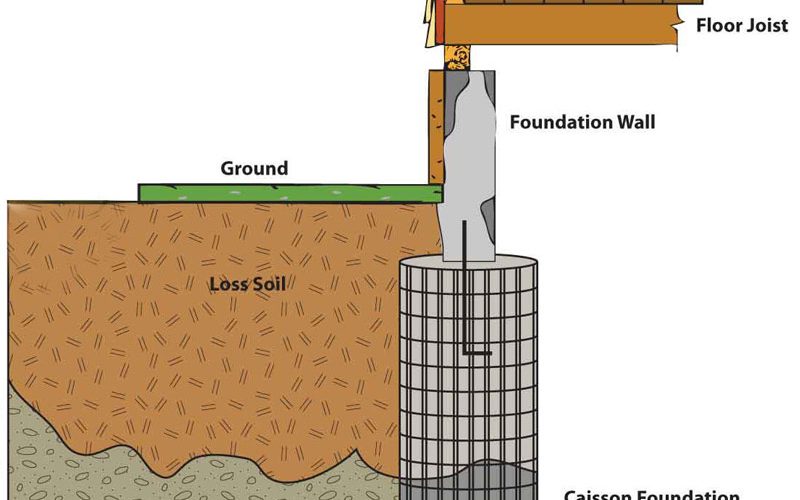
Moving outward from the valley into the inland foothill communities, the geotechnical focus shifts to heavy, expansive clay Vertisols, specifically the Diablo and Las Flores soil series. These soils contain a high concentration of smectitic minerals. When these clays absorb seasonal moisture during Southern California’s winter rains, they expand, generating upward hydrostatic pressure – a phenomenon known as “edge lift”. During the dry summer months, the soil dehydrates and contracts, causing “center lift”.
To build a lasting Footprint Expansion in these zones, the foundation must be engineered to withstand this repetitive kinetic stress. Standard, shallow builder-grade slabs are insufficient. MEE Builders utilizes structural engineers to design rigid, deep foundation systems. This involves drilling concrete caissons, heavily pre-saturating the subgrade to a depth of 18 inches prior to the pour, and installing high-density 10-mil vapor barriers to completely isolate the new structural slab from the earth below, guaranteeing long-term stability
Building Durable Room Additions Near the San Diego Coast
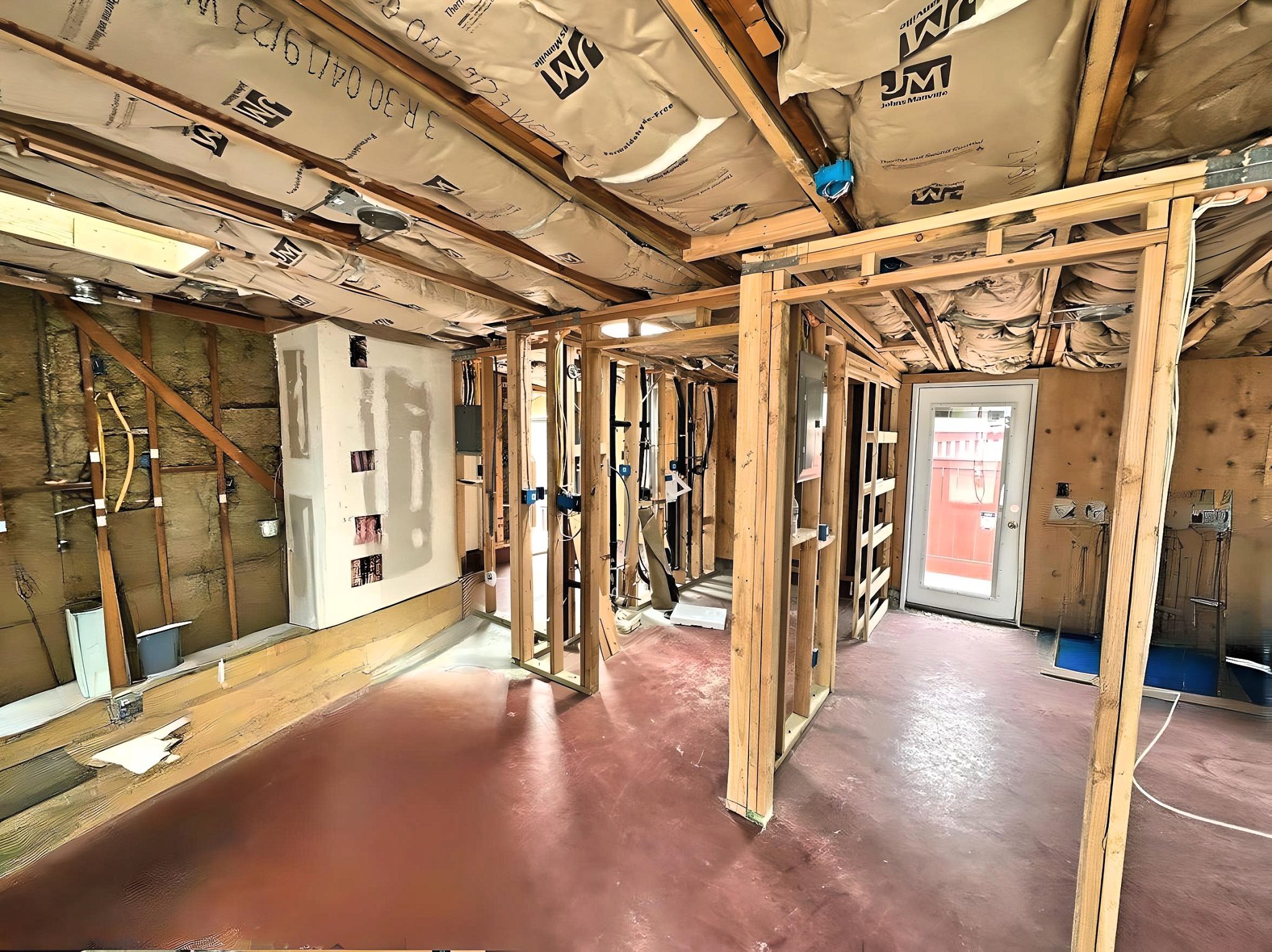
Additions constructed in coastal-adjacent zones west of the I-5 require a strategic approach to airborne moisture. The coastal marine layer dictates the use of highly resilient building materials. When executing a Room Addition on an aging coastal property, we physically open the existing exterior walls to facilitate the structural tie-in.
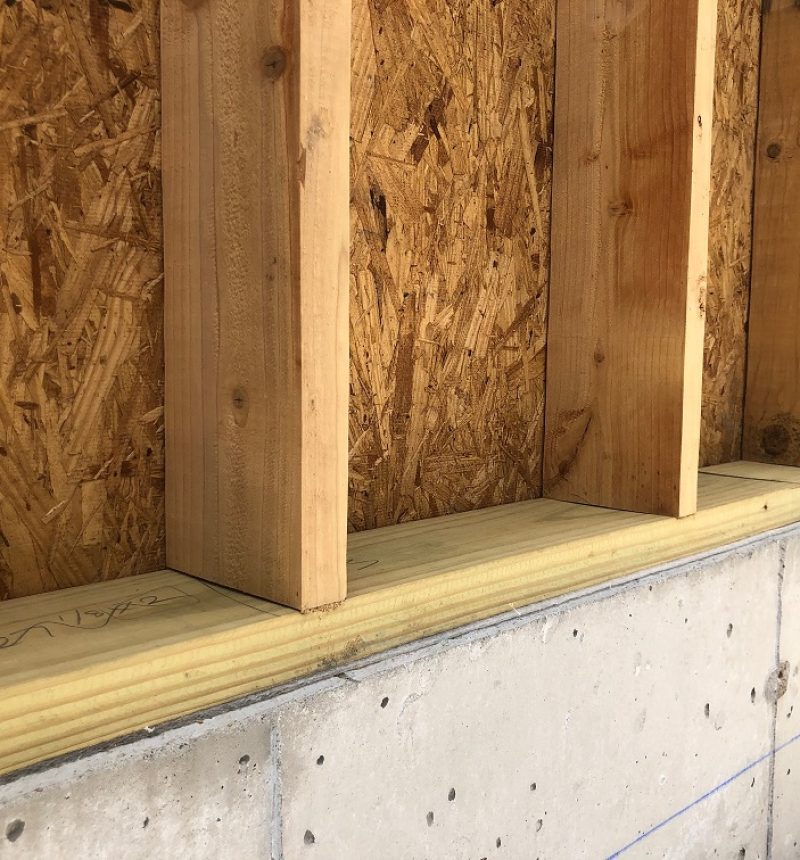
This phase includes a complete forensic structural audit of the existing building envelope. We meticulously inspect the existing Douglas Fir sill plates and rim joists, replacing any aged or compromised structural components using pressure-treated, ACQ-rated lumber before any new framing is erected. This meticulous attention to detail ensures that the new 2,500 psi concrete foundation and heavy-duty shear walls are bolted to a pristine, structurally sound framework.
How FAR Limits Affect Room Addition Size in San Diego
True architectural excellence requires perfect synchronization between the designer who drafts a concept and the structural reality of the municipal zoning code. Standard construction often relies on generic structures that fail to optimize a property’s specific legal capabilities. MEE Builders brings a specialized approach to every project.
We specialize exclusively in “Equity-Optimized Additions.” We analyze your lot’s specific dimensions to maximize the legal square footage of the property. Under the direct, daily oversight of owner Yaron Gauzner, our team executes designs that fully leverage San Diego’s complex zoning allowances, transforming your property into a high-value luxury estate.
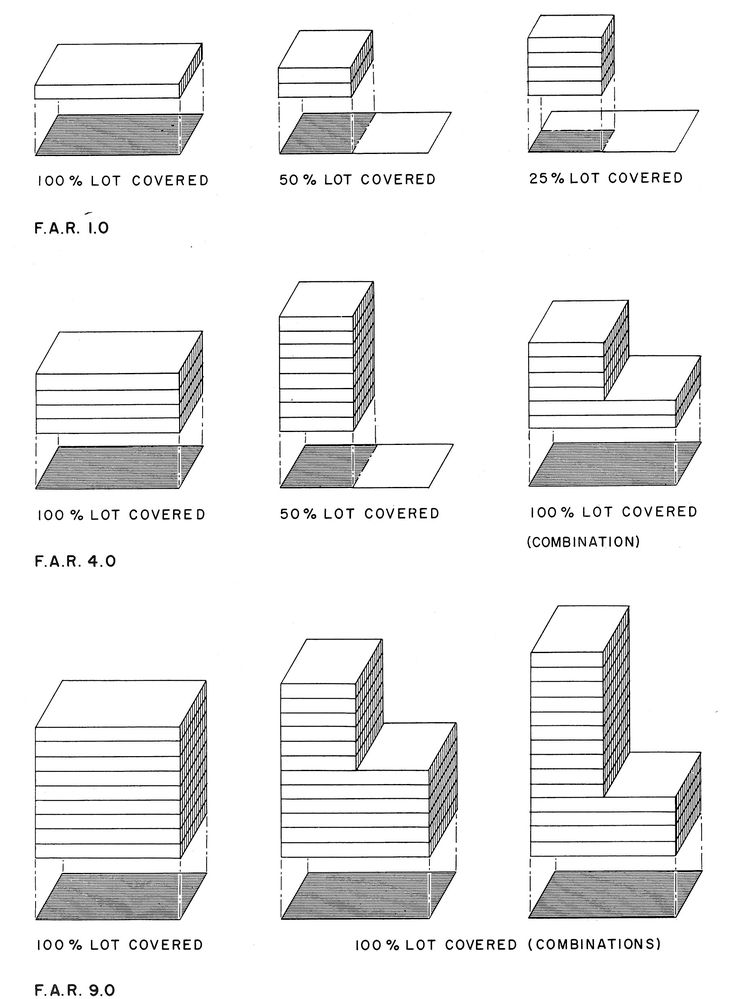
Understanding FAR Before You Add Square Footage in San Diego
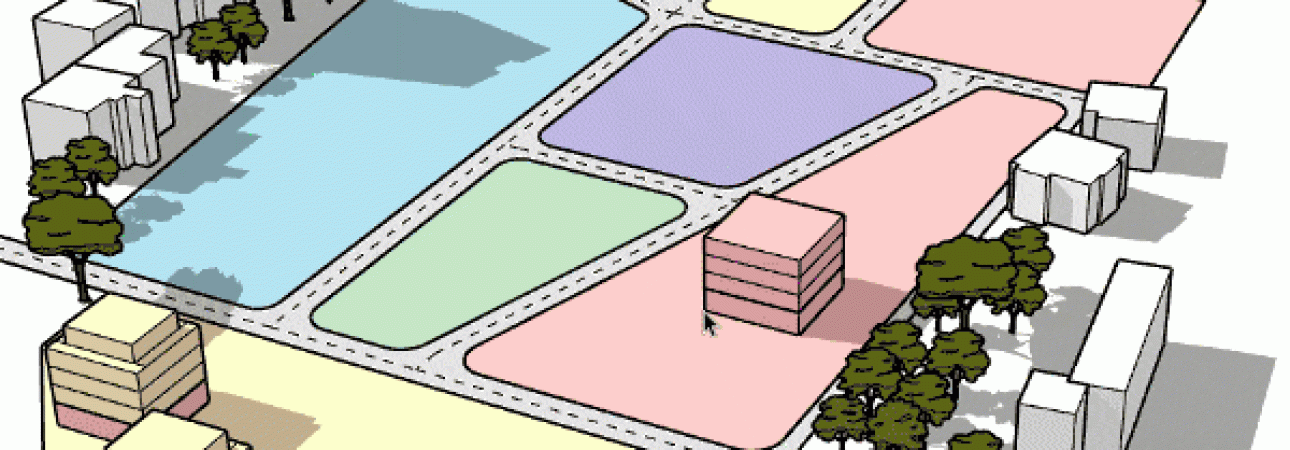
The scale, mass, and volumetric footprint of any addition are governed by the City of San Diego’s zoning matrices, specifically the Floor Area Ratio (FAR) and Lot Coverage limits. FAR is the mathematical ratio of a building’s total gross floor area to the total square footage of the lot on which it sits.
For custom home extensions located in highly desirable Single-Family Residential (RS) zones, the maximum permitted FAR is strictly tabulated based on the exact lot area and the specific zone designation (RS-1-1 through RS-1-14). For example, in an RS-1-7 zone, where the minimum lot size is 5,000 square feet, the baseline maximum FAR is typically 0.60. This means the total gross floor area of the house, plus the new Room Addition, can reach up to 3,000 square feet.
Accurately calculating this gross floor area allows us to maximize your space. Certain architectural elements can be legally excluded from the FAR calculation if engineered correctly. For instance, San Diego Municipal Code Section 131.0445 outlines specific parameters under which unenclosed roofed entryways, porches with at least two elevations that are 40 percent open, and detached garages do not count against your maximum coverage limits. MEE Builders isolates these exact mathematical allowances, manipulating the architectural design to extract every possible square foot of habitable space for the homeowner.
How Hardscape Rules Affect Your Room Addition Footprint
Expanding a home’s physical structure involves optimizing the property’s allowable Hardscape Ratio. The San Diego Municipal Code (SDMC Section 131.0447) sets paving and hardscape regulations to ensure adequate soil permeability and manage stormwater runoff. When executing a large-scale Master Suite addition that includes a new poured concrete patio, the design balances the new impervious surfaces seamlessly against the remaining landscape.
If a project’s excavation causes a ground disturbance exceeding 1,000 square feet, it is subject to municipal stormwater guidelines (Information Bulletin 140 and the State MS4 permit). MEE Builders flawlessly manages this civil engineering to utilize a Minor Water Pollution Control Plan (MWPCP) via Form DS-570. We deploy stabilized gravel construction entrances, heavy-duty fiber rolls, and perimeter silt fences to ensure a clean, compliant, and highly organized job site.
San Diego Municipal Code Density & FAR Allowances | Regulating Code Section | Core Metric |
RS-1-7 Zone Maximum FAR | SDMC §131.0431 | Varies, typically 0.60 base maximum |
Steep Hillside Lot Coverage | SDMC §131.0445(a) | 50% coverage allowance if >50% steep slope |
RM-4-11 Zone Density Limits | SDMC §131.0406 | 1 dwelling unit per 200 sq ft of lot area |
Storm Water Ground Disturbance | IB 140 / Form DS-570 | MWPCP utilized for 1,000 – 4,999 sq ft |
How Setbacks and Building Envelope Rules Shape San Diego Room Additions
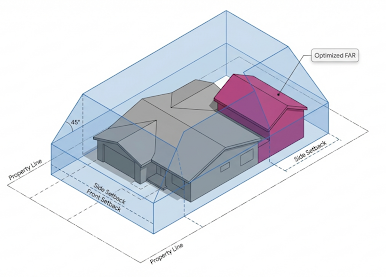
A primary component of planning a successful Room Addition involves navigating San Diego’s strict setback requirements. A Building Setback is the minimum legally required distance between the property line and the exterior walls of the structure. These municipal boundaries ensure adequate light, air, privacy, and fire separation between neighboring estates.
When a homeowner wants to execute a 400-square-foot Footprint Expansion outward, MEE Builders actively uses complex lot-line exceptions deeply embedded in the San Diego Municipal Code to maximize buildable area and bring the architectural vision to life.
How the Angled Plane Rule Affects Room Addition Height and Roof Design
San Diego uses 3D volumetric guidelines, known as the “angled building envelope plane,” alongside traditional 2D lateral setbacks. In standard RS zones, while a structure possesses a maximum overall height limit of 30 feet, the architecture must conform to specific angles. According to SDMC Diagram 131-04M, the exterior walls can rise vertically to 24 feet at the side yard setback line. Above 24 feet, the architecture angles inward toward the center of the lot at a 45-degree pitch.
When we engineer a Second-Story Addition, our architectural team uses advanced CAD software to create a precise 3D model of the building envelope. This ensures that dormers, pitched roofs, and stepped-back second stories utilize every available inch of vertical volume while maintaining perfect compliance with the 45-degree angled restriction.
Using Side Yard Flexibility to Increase Buildable Width
When space is limited, we use specific setback advantages. Under SDMC Section 131.0443, for lots with a width greater than 50 feet in RS zones, the required side setbacks may be legally “reallocated,” provided the combined dimensions of both side yards meet the total minimum requirement. This reallocation allows a new Room Addition to be built significantly closer to one property line, down to a strict minimum of 4 feet, enabling a much wider footprint expansion on the active side of the estate.
Furthermore, in high-density Residential–Small Lot (RX) zones, specific “zero lot-line” options exist. The code permits no side setback (0 feet) on one side of a detached dwelling, provided that the side with no setback is adjacent to another property within an RX zone. For attached dwellings in these zones, the standard side setback can be reduced to 4 feet if a specific vertical offset is engineered into the structure’s side wall. By utilizing these exact legal allowances, MEE Builders creates massive Master Suite expansions in highly desirable neighborhoods.
Attached ADU Planning as a Room Addition Alternative
For properties that have fully utilized their standard FAR, we use an overlapping legal strategy that aligns with the latest California housing laws.
If a lot contains an existing dwelling unit that meets the maximum allowable FAR of the zone, the municipal code still legally permits the construction of one Accessory Dwelling Unit (ADU) up to 800 square feet in size. Crucially, an ADU of 800 square feet or less is legally exempt from lot coverage limits, FAR restrictions, and open-space requirements.
Furthermore, under state law AB 2221, local agencies approve the construction of an 800-square-foot unit with 4-foot side and rear setbacks. If this unit requires front-yard placement due to topographical parameters, state and local law allows the unit to utilize the front yard setback. By strategically pivoting a “Room Addition” concept into an “Attached ADU” permitting strategy, we allow homeowners to legally add up to 800 square feet of heavily appraised, fully habitable living space – complete with a bathroom and kitchenette.
Foundation, Framing, and Load Path Planning for San Diego Additions
Foundation and Roof Connection Strategy for Residential Additions
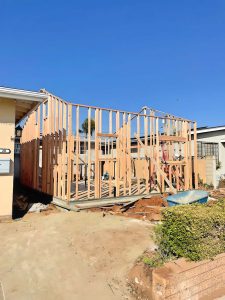
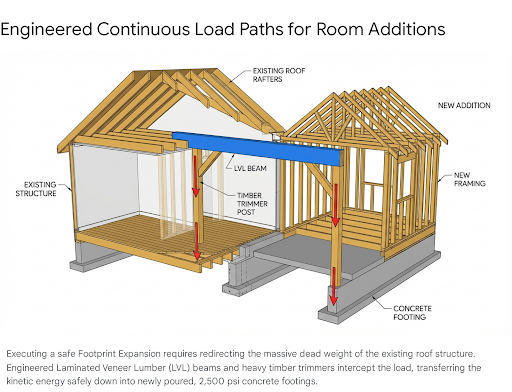
A structural addition is an exercise in advanced civil engineering. Opening an exterior wall to add a new room requires a fundamental calculation of the building’s continuous load path. The dead weight of the roof structure and the dynamic live loads of the second-story framing are safely intercepted and redirected.
The 2026 adoption of the updated California Building Standards Code (CBSC), specifically the California Residential Code (CRC) Part 2.5, introduces the nation’s highest mandates for seismic resilience, structural tie-ins, and thermal envelopes. Assembly Bill 130 imposed a temporary freeze on new residential building standards until 2031, meaning the 2026 code updates represent the definitive legal framework for the next half-decade. MEE Builders operates with profound structural fluency, executing deep foundations and Roof Tie-Ins that guarantee absolute compliance with these 2026 updates.
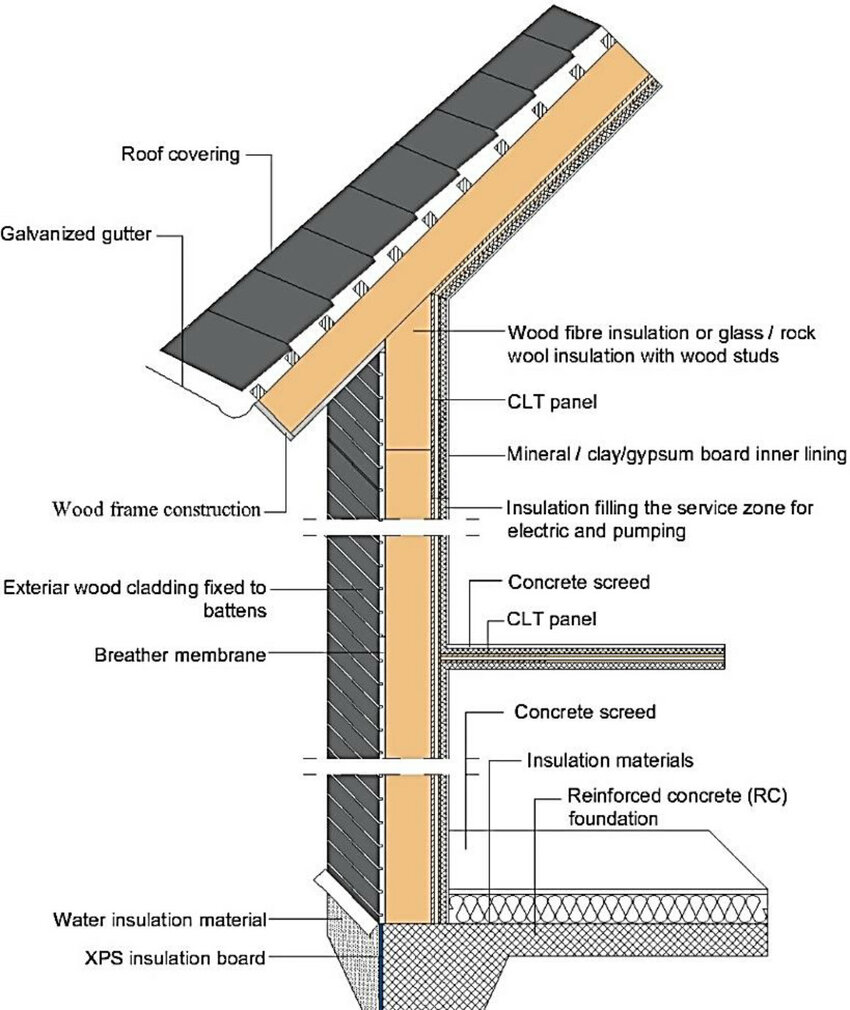
How New Foundations Are Tied Into Existing Structures
Before vertical framing commences, the new addition is permanently anchored to the earth and flawlessly tied into the existing concrete foundation. The 2026 CRC cycle implements precise guidelines for structures in high Seismic Design Categories (D0, D1, and D2), which cover nearly all of San Diego County.
The updated code mandates that exterior and required interior braced wall panels are supported by continuous, solid foundations, focusing on continuous load paths to enhance the distribution of seismic energy.
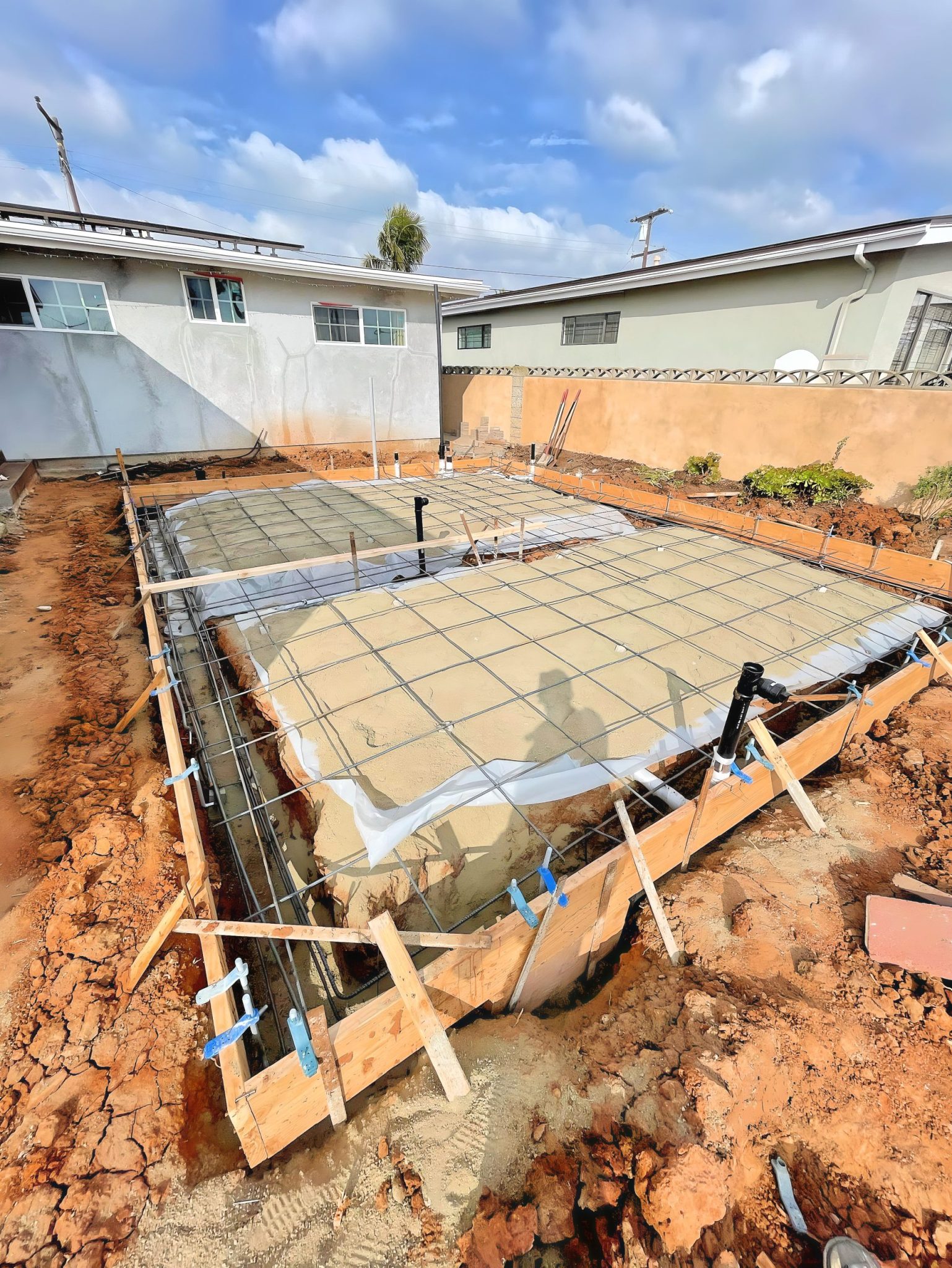
When pouring the new slab for the Footprint Expansion, MEE Builders adheres to the parameters defined by Information Bulletin 140 (IB 140) and the San Diego Area Regional Standard Drawings (RSD).9 Under IB 140 regulations, all newly poured concrete foundations specify a concrete mix design with a minimum compressive strength of 2,500 psi at 28 days, and the structural slab maintains a minimum thickness of 3.5 inches.
To physically connect the new 2,500 psi concrete foundation to the existing stem walls, we utilize high-strength structural epoxy or heavy-duty mechanical expansion anchors to set steel rebar dowels. Because the application of epoxy anchors is highly precise, the municipal code utilizes a “Statement of Special Inspection.” MEE Builders coordinates with City of San Diego-registered special inspectors to verify hole depth, cleaning protocol, and epoxy cure times before the new concrete is poured, ensuring the tie-in meets the exact shear load requirements of the 2026 CRC.
Roof Framing and Header Design for Seamless Addition Integration
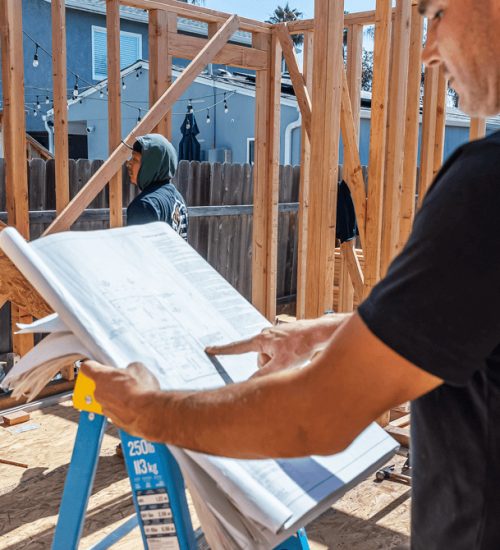
A highly engineered phase of a Room Addition is the Roof Tie-In. Opening a Load-Bearing Wall to integrate the existing home into the new Master Suite involves intercepting the roof’s weight using premium structural elements.
Before framing modifications begin, the ceiling structure is supported using heavy-duty, laser-leveled shoring walls.7 Once secured, a massive Structural Header—such as a high-strength Laminated Veneer Lumber (LVL) beam, a Glulam beam, or a structural Steel I-Beam—is hoisted into the ceiling cavity. The newly introduced point loads generated at the two ends of this beam transfer concentrated vertical pressure downward. This load tracks perfectly through the wall framing via heavy timber trimmers (king and jack studs) and drives securely into the newly poured, steel-reinforced concrete footings specifically engineered to handle the beam’s exact deflection tolerances.
When constructing the new roof framing over the addition, the architectural plans detail the exact size, spacing, and span of all new rafters, ceiling joists, and headers.9 According to San Diego Information Bulletin 140 (Table 1), structural spans are calculated based on the lumber grade and the type of roofing material utilized. For example, utilizing standard DF #2 roof rafters (2×6 Douglas Fir lumber) at a 24-inch spacing allows a maximum allowable span of 11 feet, 11 inches when supporting heavy roofing tiles. The connections adhere to a strict structural nailing schedule (IB 140, Table 8), utilizing 3-8d toe nails for blocking between joists to the top plate, and 2-16d toe nails for rafter-to-plate connections. MEE Builders calculates these exact shear and span limits, ensuring the new roof structure is flawlessly integrated.
Build Up Instead of Out With a Structurally Planned Second-Story Addition
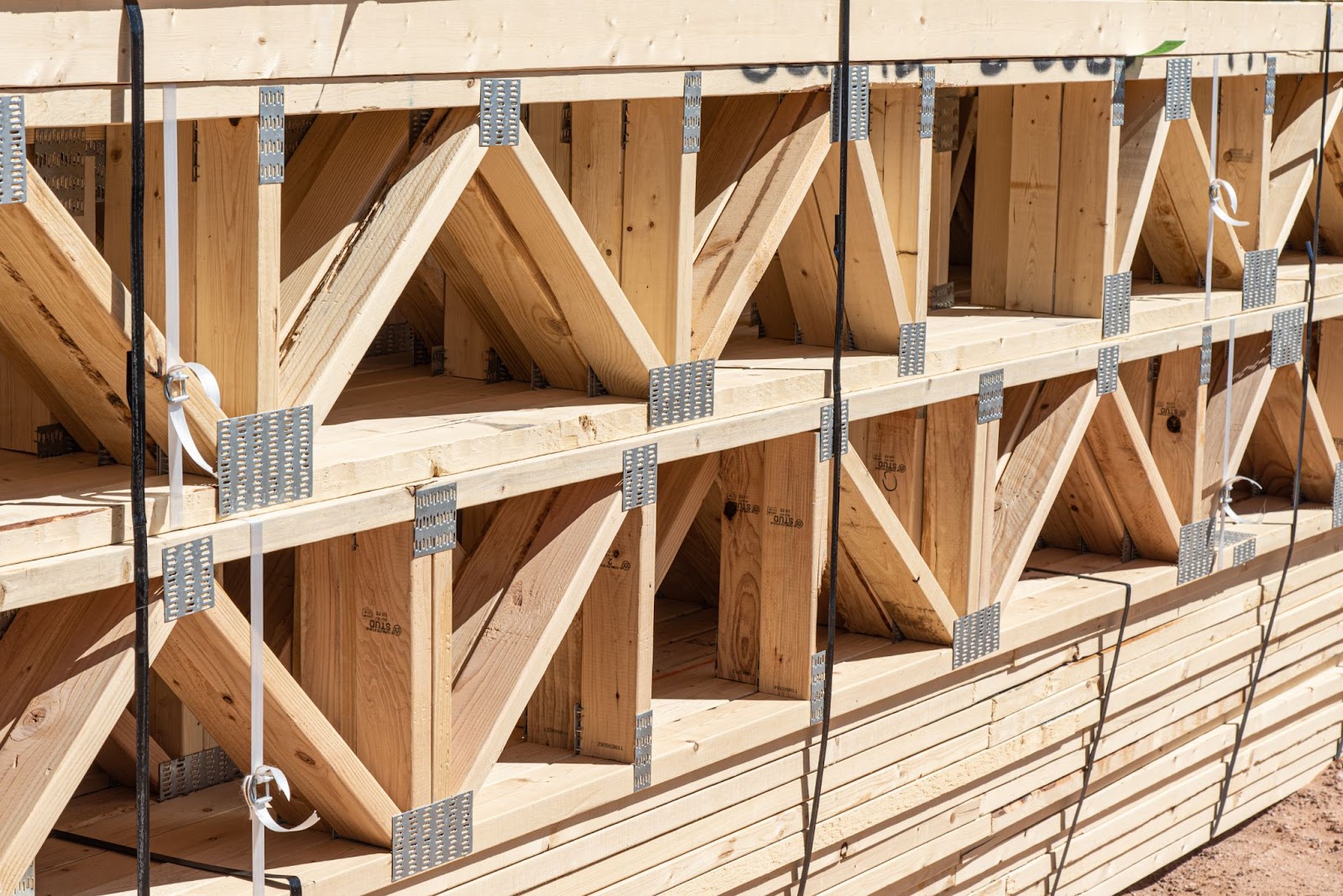
For San Diego properties where homeowners wish to preserve their outdoor landscape, vertical building is a premium solution. A Second-Story Addition requires a calculated structural enhancement to the existing first floor. We upgrade the original framing to accommodate the dynamic live loads of a newly constructed second-story Master Suite containing premium plumbing fixtures, large-format tile, and heavy furniture.
Engineering Second-Story Floor Systems for Strength and Comfort
The Floor Joist assembly for a second story is rigorously engineered to provide a perfectly solid, quiet floor. Under IB 140 (Table 3), the allowable spans for DF #2 floor joists utilize calculations based on a highly rigid deflection limit of L/Δ = 360.26. The joists are calculated to support a continuous live load of 40 pounds per square foot (psf) and a dead load of 10 psf.
To transfer the lateral forces generated by wind events and earthquakes, the continuous load path from the new second-story shear walls extends perfectly through the ground-floor walls. We execute comprehensive seismic integration protocols, reinforcing the lower framing with structural-grade plywood sheathing. We utilize heavy-duty 5/8-inch steel anchor bolts, threaded rod, and epoxy-set hold-downs to permanently tie the vertical wood-framed assembly directly into the concrete foundation, physically anchoring the structure for generations of stability
Systems Upgrades That Support a Code-Compliant San Diego Room Addition
A comprehensive Room Addition includes deep infrastructure enhancements behind the newly framed walls to guarantee maximum performance and legal compliance.
Plumbing Planning for a Bathroom or Primary Suite Addition
When tying a new, high-end Master Bathroom suite into a classic San Diego residence, we take the opportunity to modernize the home’s water delivery systems.
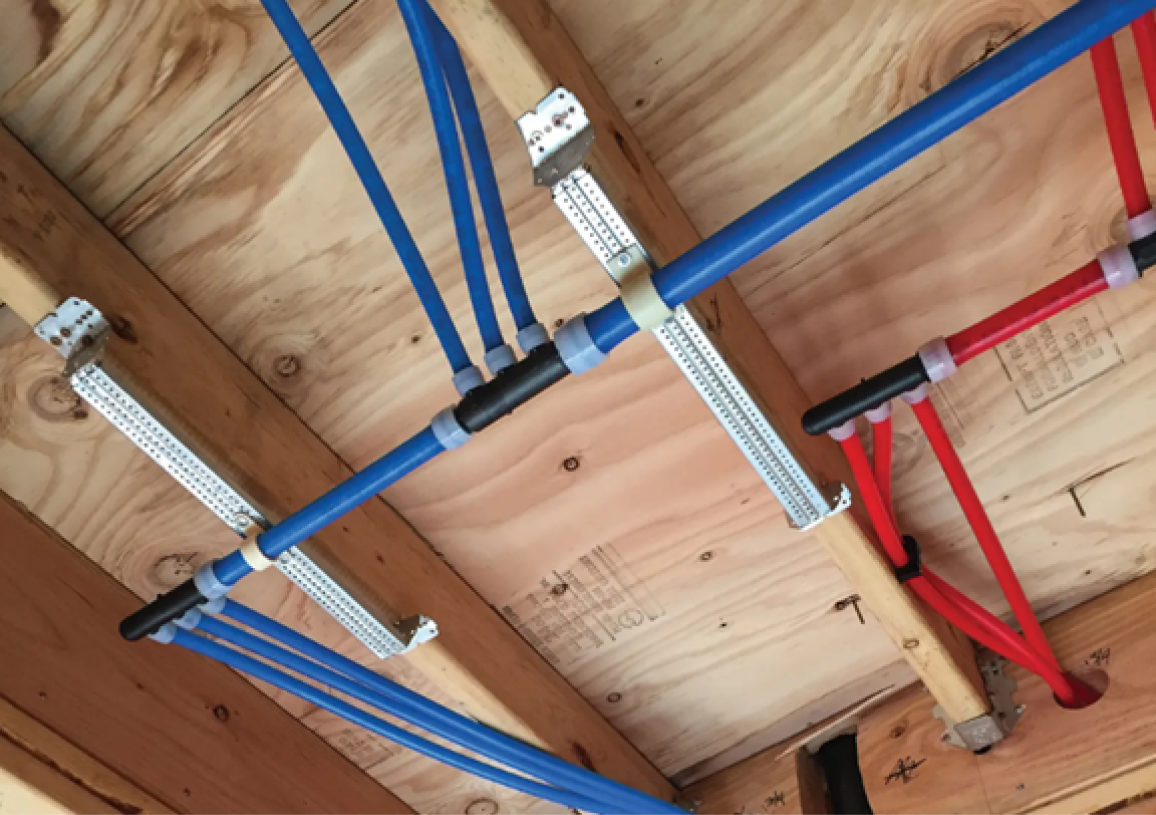
During the rough framing stage of the addition, our plumbing crews completely upgraded the piping in the altered area. We install modern, highly durable PEX-A (cross-linked polyethylene) or rigid Type-L copper, which effectively resists the hard mineral content of San Diego’s municipal water supply and delivers excellent water pressure to new luxury fixtures. The new waste lines are trenched directly into the existing slab, precisely sloped at 1/4 inch per foot, and fitted with heavy-duty ABS piping. This ensures decades of high-volume, leak-free performance before the new 3.5-inch concrete slab is poured to seal the trench.
When a Room Addition Requires a Panel Upgrade
Extending a home’s footprint legally triggers compliance with the 2026 California Title 24 Energy Code (Part 6). The 2026 update establishes strict “electric-ready” requirements for all major alterations and additions, paving the way for advanced home technology.
To support the electrical loads of modern luxury living—which now accommodate high-efficiency heat pump space heaters, heat pump water heaters, induction cooking systems, and Level 2 electric vehicle (EV) chargers- the addition includes a robust electrical panel upgrade MEE Builders coordinates directly with SDG&E to engineer the property’s main service with a premium 400-amp electrical panel system.[7, 7] We pull entirely new, heavy-gauge copper home runs throughout the newly exposed wall cavities, integrating ARC Fault Circuit Interrupters (AFCIs) to every bedroom for maximum safety
hermal Envelope Performance, Insulation, and HERS Testing
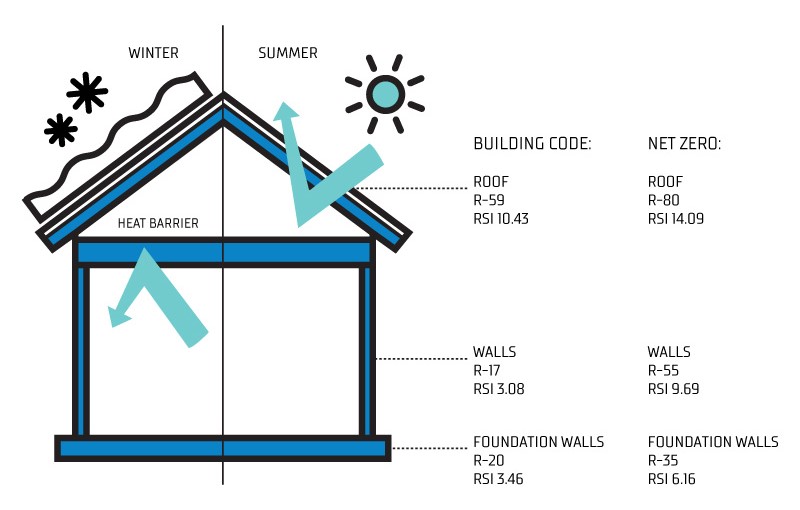
The new addition seals and engineers its exterior shell to meet the highest Title 24 thermal efficiency mandates. The new envelope- consisting of the roof assembly, insulated floors, and all modern fenestration (windows and doors)—meets rigorous maximum U-factor ratings of 0.30 or lower.
To achieve this extreme thermal efficiency, MEE Builders implements advanced continuous exterior insulation, installing an additional layer of rigid insulation directly on the exterior of the wood framing. This advanced technique completely breaks the “thermal bridge” created by the wooden studs, drastically reducing the home’s overall heating and cooling loads. All ductwork is meticulously sealed and insulated, allowing the new Room Addition to flawlessly pass the mandatory HERS (Home Energy Rating System) diagnostic blower-door tests required by the independent third-party rater prior to final inspection.
San Diego Room Addition Permits, Plan Check, and Historic Review
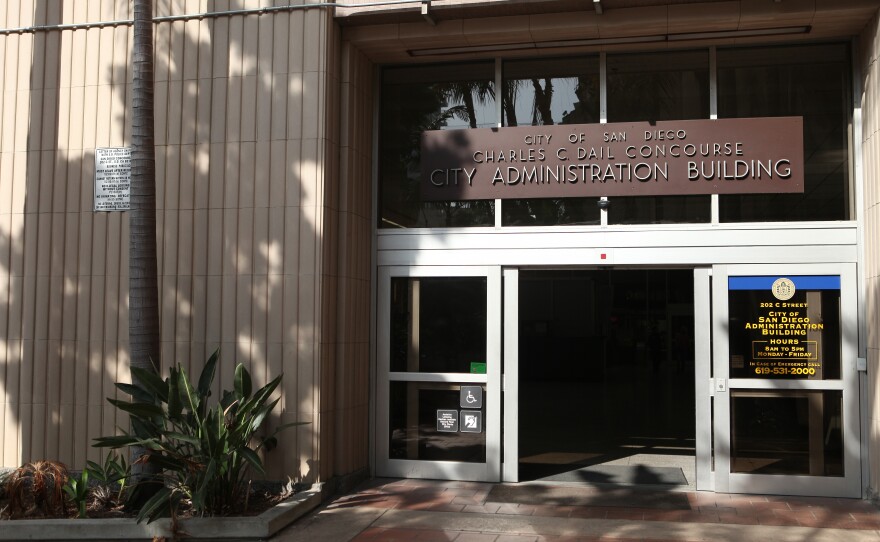
The addition process requires municipal vetting through the San Diego Development Services Department (DSD). MEE Builders controls the timeline by front-loading the engineering and executing flawless submittal packages to ensure rapid approvals.
What to Include in a San Diego Room Addition Permit Package
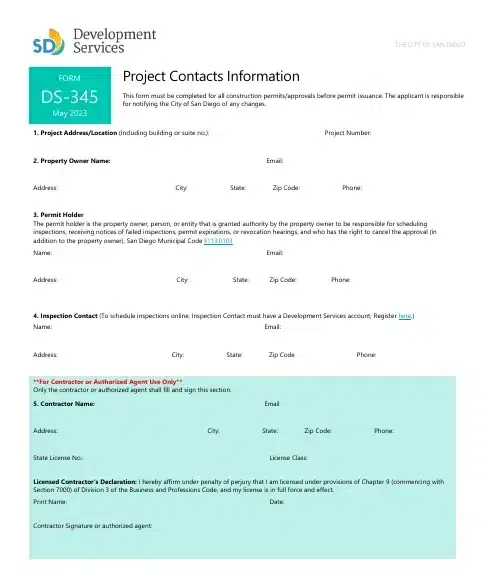
The City of San Diego outlines submittal requirements for residential additions under Information Bulletin 140 (IB 140) Submittals include the Project Contacts Information Form (DS-345), the Stormwater Requirements Applicability Checklist (DS-560), and a Water Meter Data Card (DS-16) if new plumbing fixtures are being added to the expanded footprint.
Architectural plans are drawn to scale and prepared in absolute compliance with the CRC. The submittal includes a precise Site Plan, Vicinity Map, Foundation Plan, and highly specific Roof Framing Plans that explicitly detail the size, span, and structural integrity of the framing. By managing this civil engineering, structural calculations, and pre-construction drafting entirely in-house, MEE Builders delivers a smooth transition through the city planner’s desk

When the 45-Year Rule Can Affect Your Room Addition Timeline
If your Footprint Expansion is occurring in classic San Diego neighborhoods like Mission Hills, North Park, or Burlingame, the project utilizes the city’s historical screening process. Under San Diego Municipal Code Section 143.0212, any project requiring a construction permit on a parcel containing a structure that is 45 years old or older undergoes a Potential Historical Resource Review (outlined in Information Bulletin 580).
This review exists to preserve the architectural legacy of the historic district. MEE Builders preemptively manages this process by submitting the required photographic surveys, water/building permit records from the county assessor’s office, and architectural plans directly to the Historical Resources Board. We engineer the exterior design of the new addition to satisfy the strict Secretary of the Interior’s Standards for the Treatment of Historic Properties, ensuring the original architectural charm is flawlessly preserved while the interior square footage is radically modernized.

San Diego Room Addition FAQs
How much does a room addition cost in San Diego?
The average cost for a room addition in San Diego is $300 to $500 per square foot. Final pricing can vary based on site conditions, geotechnical demands, and required city review before construction begins.
What is a realistic timeline for a San Diego room addition?
Most room additions take about 4 to 8 months from the start of foundation work to final sign-off. The timeline depends heavily on permitting, neighborhood zoning, and whether the property triggers additional city review.
How do San Diego soil conditions affect a new room addition?
Local soil conditions can directly affect how a new addition is designed and built. In some inland areas, expansive clay soils can shift with seasonal moisture changes, which is why foundation design and slab protection need to be planned carefully from the start.
Can I still add living space if my San Diego lot is already maxed out?
In some cases, yes. If a property has already used its standard allowable floor area, an attached ADU strategy may still create a path to adding usable living space. On this page, that approach is presented as a legal alternative when a traditional addition is limited by lot coverage, FAR, or open-space restrictions.
Can a bathroom addition trigger plumbing, drainage, or water supply upgrades?
Yes. Adding a new bathroom can require plumbing upgrades in the altered area so the new space performs properly and connects cleanly to the home’s existing systems. That can include updated supply lines and new waste lines designed for reliable long-term performance.
What is the process for tying a new roof into an existing home during a room addition?
The process involves temporary shoring, carefully opening the exterior wall, installing the required support beam, and tying the new roof structure back into the existing home so loads are transferred safely. It also requires proper footing support and code-compliant fastening to keep the addition integrated with the original structure.
Why do room additions often require electrical or plumbing upgrades?
Older systems are not always built to support added square footage, new fixtures, or modern energy demands. That is why a room addition may call for upgraded plumbing in the affected area and a stronger electrical service to support the expanded living space safely and reliably.
Is it better to build out or build up for a San Diego room addition?
It depends on the property. Building up can make more sense when the lot has limited room left or when floor area limits make outward expansion harder. Building out can be a better fit when preserving the existing roof structure is a priority and there is enough usable space on the lot.