
Whole House Remodeling in San Diego
Transform your home with a complete remodel designed for better flow, modern comfort, and a smoother path from planning and permits to final approval.
- Fully Licensed & Insured: CSLB #1046249
- 10 Years of Excellence: Serving the San Diego, CA
- 100+ Verified Reviews Google, Yelp, Houzz
Down-to-the-Studs Remodeling in San Diego
San Diego’s aging housing stock presents a highly specific set of structural, biological, and geotechnical challenges that demand profound local expertise and precise engineering. Located centrally, just 10 minutes from Old Town San Diego State Historic Park, with rapid access to the I-5 and I-15 corridors, MEE Builders operates directly at the intersection of Southern California’s complex remodeling environment.
A proper whole-house transformation requires far more than cosmetic updates; it demands a forensic approach to the building’s physical interaction with its local micro-climate
Featured Whole House Remodeling Project
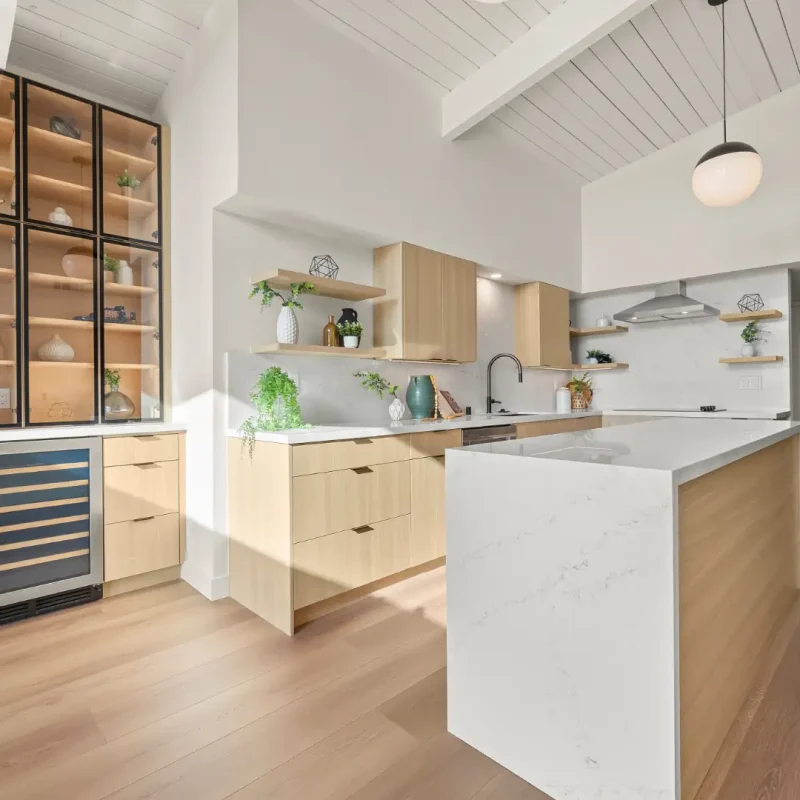
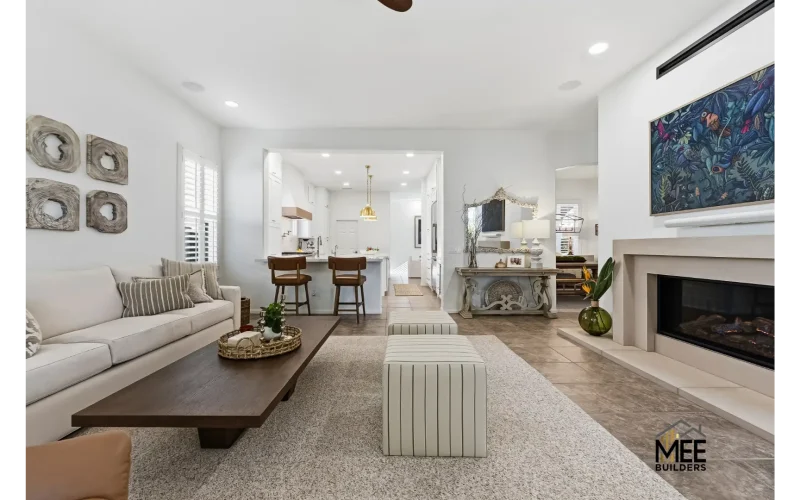
Coastal Modern Living Project Spotlight
A modern, spa-inspired bathroom with striking marble-effect walls and sleek black stone flooring.
The double vanity features a dark wood finish, brass fixtures, and elegant oval mirrors with warm lighting. A freestanding white bathtub and textured glass window complete the clean, luxurious feel with soft natural light.
Dry Rot and Moisture Damage in Coastal San Diego Homes
Properties situated west of the I-5, spanning from Point Loma up through La Jolla and Del Mar, are engaged in a constant battle against the marine layer. This persistent coastal humidity creates an ideal breeding ground for advanced biological degradation. When we strip an aging 1960s home down to the studs in these neighborhoods, we routinely uncover severe dry rot (fungal decay) compromising the critical Douglas Fir sill plates and rim joists.
Furthermore, this moisture-rich environment is highly conducive to infestations of Western Drywood and subterranean Formosan termites, which can hollow out load-bearing timber from the inside out. A true luxury finish requires a flawless foundation, which is why our down-to-the-studs approach mandates a complete structural audit once the drywall is removed. We surgically excise all decayed timber, execute localized wood-destroying pest remediation, and replace the compromised structural components using pressure-treated lumber before any new mechanical systems are installed
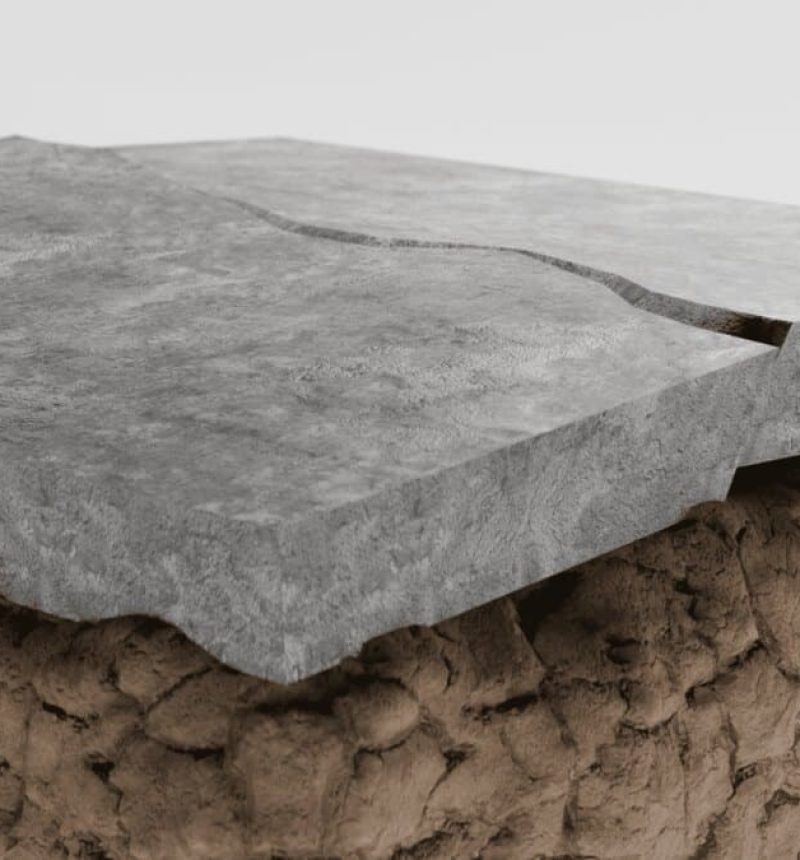
Foundation Movement in Inland San Diego Homes
Moving inland toward communities like North Park, Kensington, and extending into the foothill regions, the primary structural threat shifts from airborne moisture to subterranean soil mechanics. The soil composition in many of these areas is dominated by heavy, expansive clay (specifically, Vertisols such as the Diablo and Las Flores series). These clay soils exhibit a severe shrink-swell capacity.
During the wet winter months, the clay absorbs water and expands, creating immense upward hydrostatic pressure against the home’s concrete foundation (a process known as “edge lift”). In the dry summer months, the soil dehydrates and violently contracts, pulling away from the foundation and causing “center lift”. Over 50 years, this repetitive kinetic stress inevitably fractures unreinforced concrete slabs and throws the entire wood-framed structure out of plumb.
Visual symptoms in older homes include diagonal cracks radiating from window corners, unlevel floors, and doors that refuse to latch. A true whole-house remodel addresses this by using epoxy injection for slab fractures, pouring new, reinforced concrete footings to handle point loads, and applying heavy-duty self-leveling underlayment compounds to establish a perfectly flat substrate before installing large-format flooring.

Why Homeowners Choose MEE Builders for Whole House Remodeling
Delivering a luxury whole-house remodel in San Diego requires a cohesive, tightly managed process that maintains precision at every stage. We structure our projects for seamless continuity, ensuring your home’s structural integrity is meticulously overseen from the initial blueprint through the final inspection.
One Team for Design, Permits, and Construction
When dealing with complex load-bearing wall removals, custom fenestration rough openings, and retroactive permitting, maintaining accurate data and clear communication is paramount. MEE Builders is built on an operational model that guarantees flawless execution through dedicated leadership and localized expertise.
Under the direct, daily oversight of owner Yaron Gauzner, the complex thinking required for forensic structural restoration, engineered beam calculations, and complete infrastructure integration is handled by a single, continuous point of authority.
The individual who collaborates on the structural load paths during the design phase is the exact same individual verifying the laser-level lines during framing and negotiating with the city inspector for your retroactive permits. This streamlined operational model ensures that the initial design intent is flawlessly executed in the physical build, keeping your project on schedule and maintaining the highest standard of craftsmanship.

Legalizing Unpermitted Remodeling Work in San Diego
One of the most severe threats to a San Diego homeowner embarking on a major renovation – or attempting to sell an older property – is the sudden discovery of unpermitted work. Many properties built between the 1940s and 1980s conceal decades of illegal “handyman” modifications. These frequently include bootlegged electrical sub-panels, unpermitted garage conversions, illegally enclosed patio rooms, and hastily removed load-bearing walls.
The Risks of Unpermitted Work and Code Violations
When a legitimate contractor pulls municipal building permits to commence a whole-house remodel, city inspectors will physically evaluate the property’s existing conditions. If the inspector spots an illegal addition, non-compliant plumbing stacks, or a compromised structural span that does not match the city’s archival blueprints, they will immediately flag these infractions. This triggers massive schedule delays, official “stop-work” orders, and intense legal liability – a situation locally known as “Escrow Paralysis” because it routinely kills pending real estate transactions and stalls renovations for months.
MEE Builders handles these scenarios, bringing clarity and legal compliance to complex structural entanglements.
Navigating Retroactive Permits in San Diego
We utilize the retroactive permitting processes authorized by state legislation, such as Senate Bill 1226, and outlined in San Diego’s Information Bulletin 242. We handle the bureaucratic friction by producing highly accurate “as-built” CAD blueprints of the illegal structure.
To clear the violation, we strategically open the walls to expose the hidden plumbing lines, verify the electrical wire gauges, and demonstrate the framing techniques to the city inspector. We then execute any necessary physical structural modifications, such as upgrading undersized floor joists or replacing non-tempered window glass, to bring the assembly up to current life-safety and structural codes. By navigating this arduous administrative process, we transform a massive legal liability into fully permitted, legally recognized, and heavily appraised square footage, culminating in the issuance of a clean Certificate of Occupancy.
Historic Review and Coastal Permit Rules in San Diego
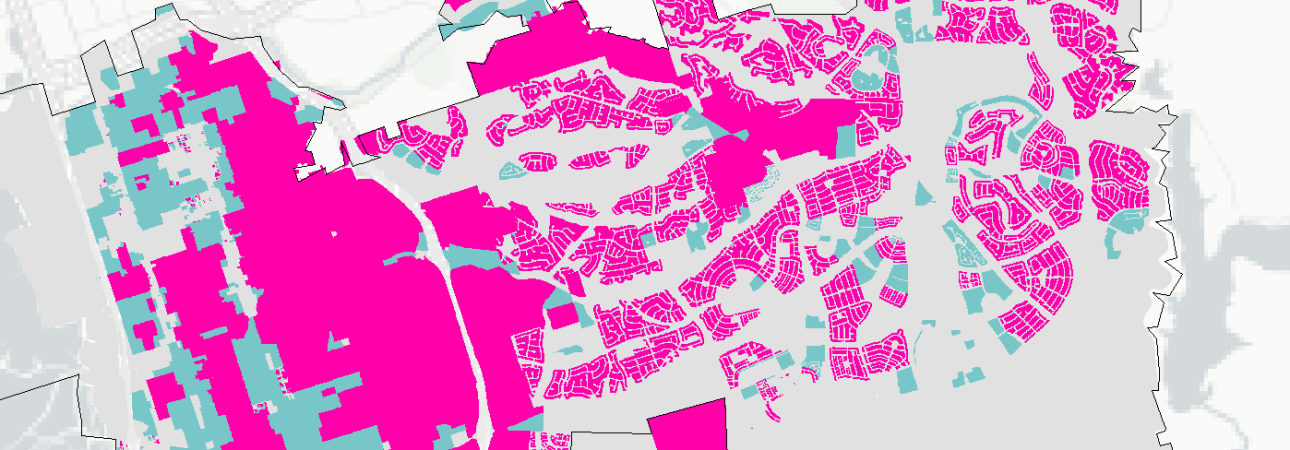
San Diego enforces some of the most rigorous zoning and historical preservation laws in California. Successfully executing a massive, multi-trade whole house remodel requires deep, institutional knowledge of the San Diego Development Services Department (DSD).
The 45-Year Historic Review in San Diego
If you are remodeling a property in older neighborhoods like Mission Hills, North Park, or Burlingame, you will inevitably trigger the city’s historical screening process. Under San Diego Municipal Code Section 143.0212, any project requiring a construction permit on a parcel containing a structure that is 45 years old or older is legally mandated to undergo a Potential Historical Resource Review (outlined in Information Bulletin 580).
This is not a suggestion; it is a strict legal gatekeeper. The city mandates this review to determine if your exterior alterations will destroy the architectural legacy of the neighborhood. We preemptively manage this by submitting the required photographic surveys and water/building permit records from the county assessor’s office directly to the DSD. We engineer the exterior design to satisfy the Secretary of the Interior’s Standards for the Treatment of Historic Properties, ensuring the architectural charm is preserved while the interior is completely modernized.
The Coastal Overlay 50% Exterior Wall Rule
Properties located near the coastline face an additional layer of extreme scrutiny: The Coastal Overlay Zone. Under Information Bulletin 402, demolishing or removing 50% or more of the exterior walls of an existing structure triggers the requirement for a Coastal Development Permit (CDP).
A CDP is a highly discretionary, public-hearing process that can add months—or even years—to a project timeline and requires proving the project will not impact public coastal views. Accurately calculating this 50% threshold is a highly technical process. For instance, if an existing exterior wall is converted into an interior wall during an addition, or if the structural top plate is detached, it counts toward the demolition limit. We preemptively engineer your blueprints using strict linear-foot calculations to maximize your interior floor plan reimagining, while strategically preserving exactly enough of the existing exterior framing to stay below the 50% threshold, legally bypassing the CDP requirement and saving immense capital.
Load-Bearing Wall Removal in a Whole House Remodel
MEE Builders confidently embraces the intricate engineering required for heavy structural modifications, operating under a strict Structural Integrity Guarantee. When executing a true whole house remodel, the primary objective is almost always floor plan reimagining—transforming cramped, compartmentalized 1970s architecture into expansive, Open Concept living spaces that allow natural light to flow uninterrupted.
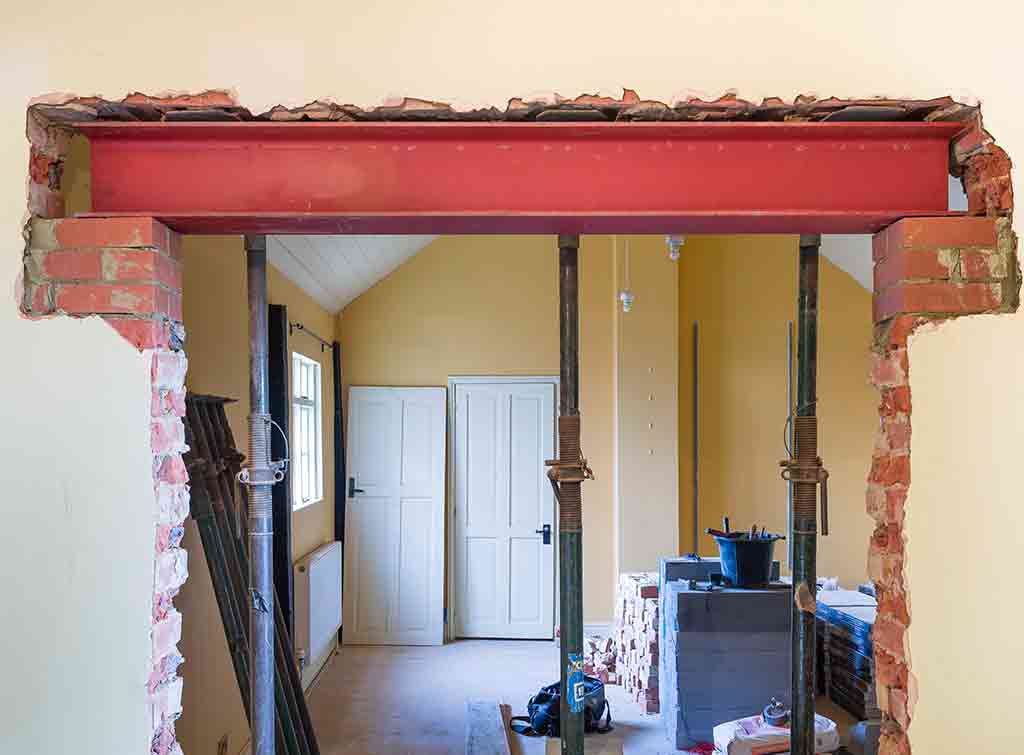
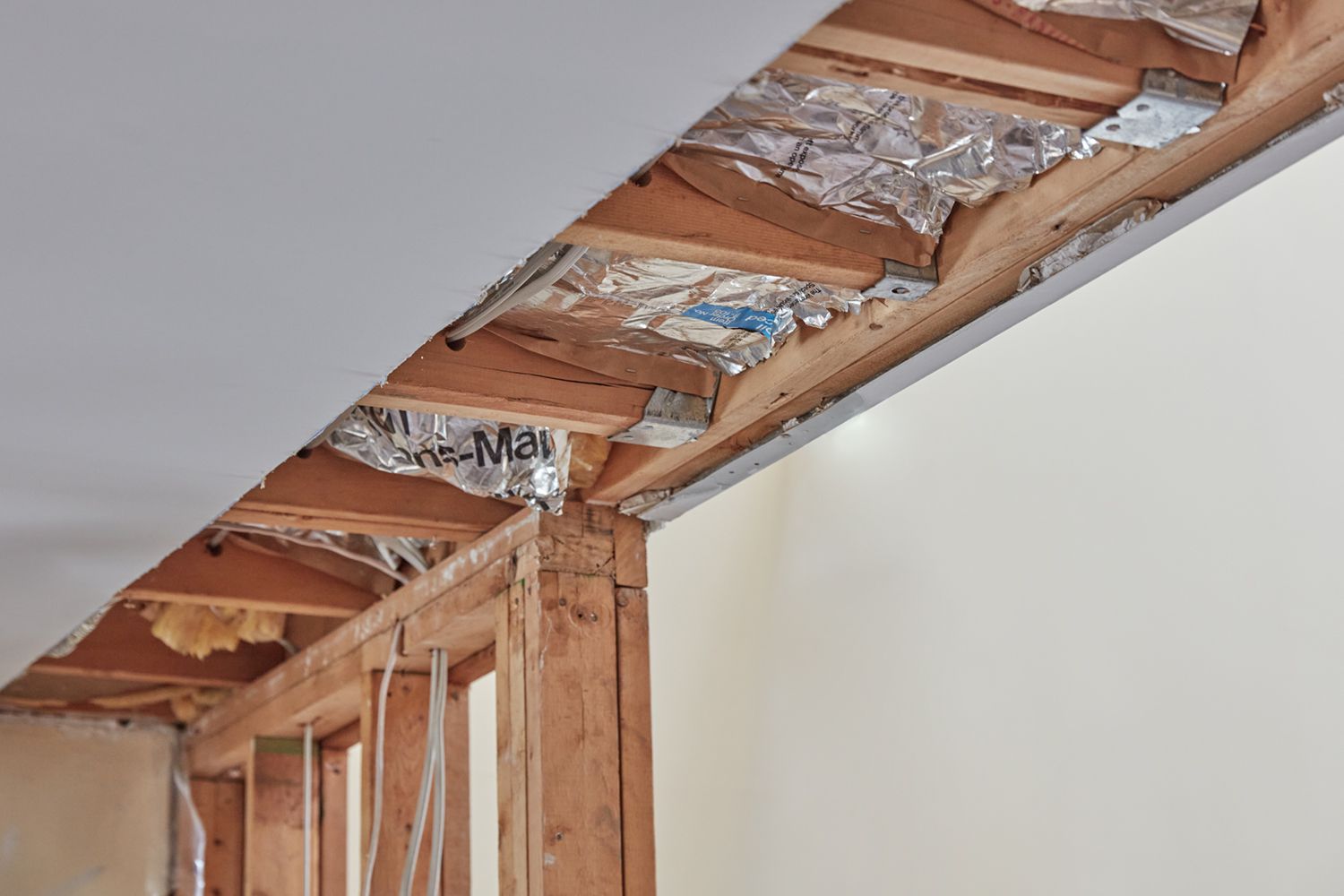
How Load-Bearing Wall Removal Works
Eradicating a central load-bearing wall to combine a kitchen, dining room, and living area into a single Great Room is a fundamental recalculation of the building’s continuous load path. The immense dead weight of the roof structure, the ridge beams, and the dynamic live loads of the second-story floor joists must be safely intercepted and redirected before a single vertical stud is cut.
To achieve massive clear spans of 20 feet or more without introducing awkward support columns in the middle of your living space, we must install engineered support systems. For moderate spans, we utilize high-strength Laminated Veneer Lumber (LVL) beams. LVL is manufactured by bonding multiple layers of thin wood veneers under extreme heat and pressure, resulting in a structural member with a vastly superior strength-to-weight ratio that completely eliminates the shrinking, twisting, and splitting inherent to traditional sawn lumber. For extreme spans or heavy second-story point loads, we upgrade to structural Steel I-Beams, which offer unparalleled rigidity and allow for the beam to be mounted flush within the ceiling joists, completely hiding the structural support from view.
Temporary Shoring, Support Beams, and Footings
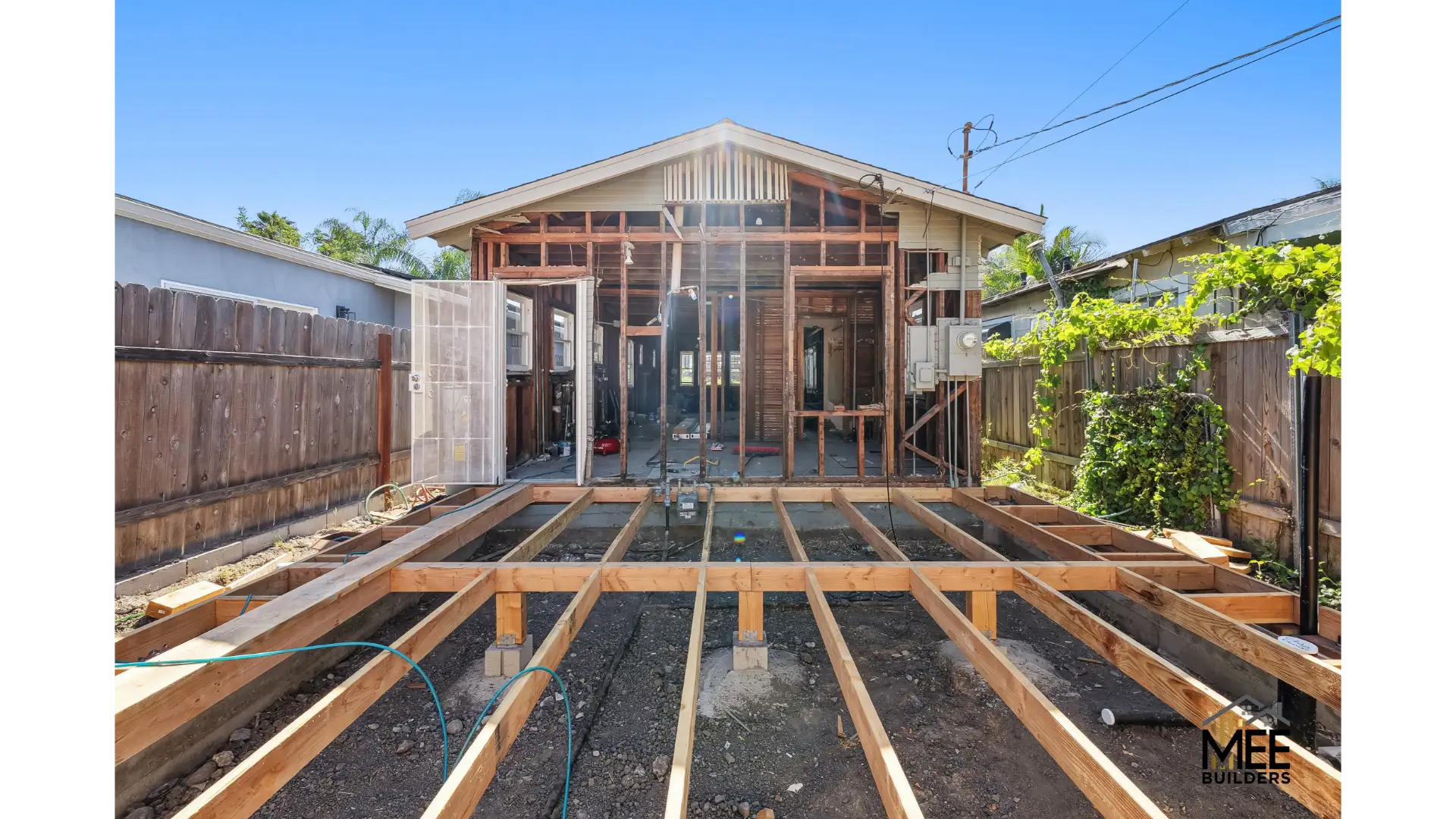
The field execution of these Open Concept layouts demands absolute precision. Before demolition occurs, the ceiling structure is temporarily supported using heavy-duty, laser-leveled shoring walls. The new Structural Header is then hoisted into the ceiling cavity.
The point loads generated at the two ends of this newly installed beam are immense, often transferring thousands of pounds of concentrated pressure downward. This vertical load must be tracked directly through the wall framing via heavy timber trimmers or steel posts, and driven securely into the concrete foundation below. In many 1960s San Diego homes, the existing concrete slab is only 4 inches thick—vastly insufficient to support this new, highly concentrated weight. Consequently, our crews must saw-cut the interior concrete floor, excavate the soil, and pour new, massive steel-reinforced concrete footings (often 3×3 feet wide and 3 feet deep) specifically designed by our structural engineers to handle the beam’s exact deflection tolerances.
Seismic Retrofitting and Foundation Bolting
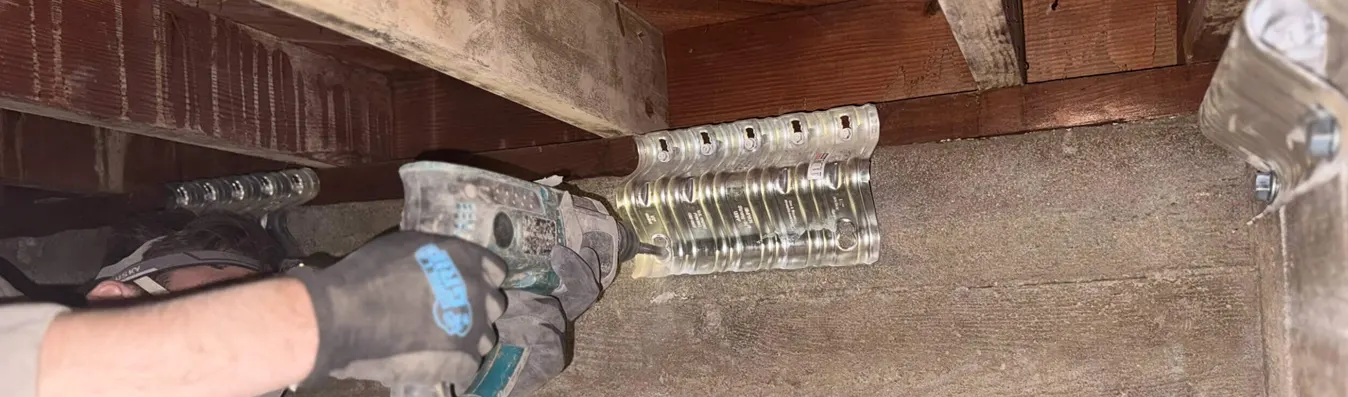
While the walls are open and the foundation is exposed, a down-to-the-studs remodel provides the critical opportunity to perform mandatory seismic retrofitting. Older homes (pre-1980) built on raised foundations are at extreme risk of sliding off their base during an earthquake. We execute comprehensive Earthquake Brace + Bolt (EBB) protocols. This involves reinforcing the short “cripple walls” in the crawl space with structural-grade plywood sheathing, and physically anchoring the wood sill plates directly to the concrete foundation utilizing heavy-duty 5/8-inch steel anchor bolts and epoxy-set hold-downs. This engineering process fundamentally ties the wood frame to the earth, preventing catastrophic structural failure.
Electrical and Plumbing Upgrades During a Whole House Remodel
To ensure your new luxury finishes are permanently protected, the defining characteristic of a genuine down-to-the-studs remodel is the complete eradication and replacement of the home’s aging, failing mechanical, electrical, and plumbing (MEP) systems.
Replacing Galvanized and Cast Iron Plumbing
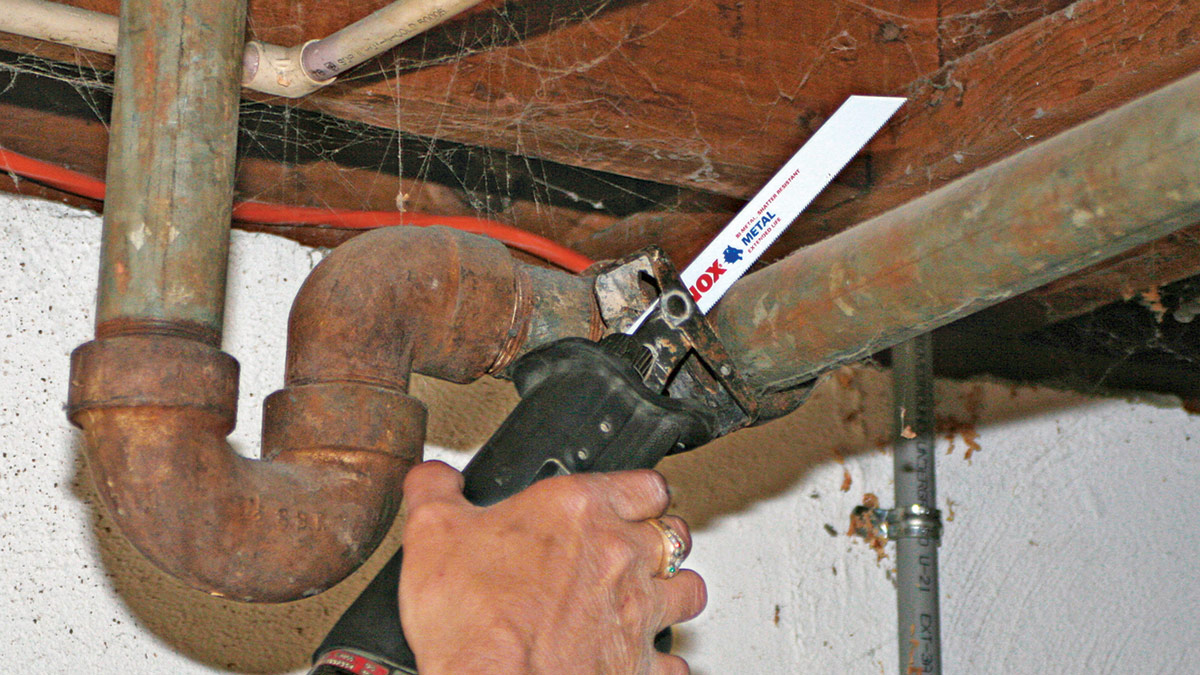
An overwhelming majority of San Diego homes built before 1970 still rely on original galvanized steel water supply lines and cast-iron sewer mains. Galvanized pipes are notoriously problematic; their protective zinc coating breaks down over time, causing them to severely corrode and rust from the inside out. This internal rust scaling restricts water pressure to a trickle and introduces metallic contaminants into the drinking supply.
During the rough framing stage, our plumbing crews aggressively eradicate all legacy galvanized piping. We completely repipe the supply lines utilizing modern, highly durable PEX-A (cross-linked polyethylene) or rigid Type-L copper, which effectively resists the hard mineral content of San Diego’s municipal water. Similarly, failing cast-iron waste lines—which frequently rot out at the bottom of the pipe and collapse under the concrete slab—are trenched out and completely replaced with heavy-duty ABS piping, ensuring decades of high-volume, leak-free performance.
Electrical Panel Upgrades for Modern Remodeling Needs
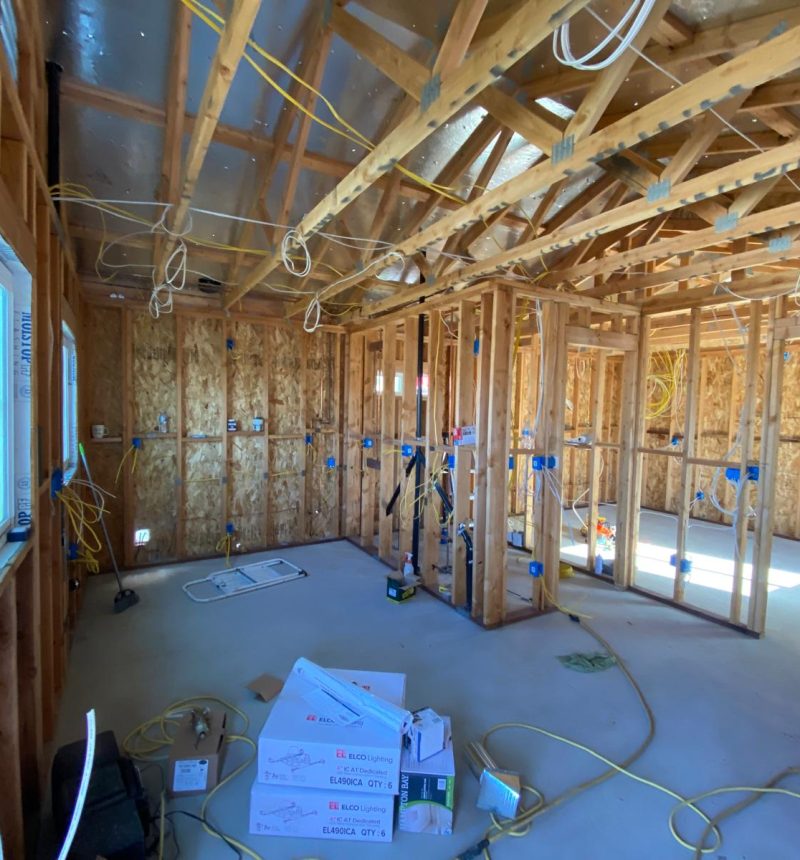
Older properties are frequently burdened with dangerously obsolete 100-amp electrical panels and, in some historic restorations, degraded cloth-wrapped wiring. A modern luxury home equipped with smart-lighting systems, dual HVAC zones, and high-end culinary appliances demands immense electrical capacity.
Furthermore, the 2026 Title 24 California Energy Code updates aggressively push for statewide decarbonization, legally mandating robust “electric-ready” infrastructure for all major remodels. Even if you elect to retain a gas furnace today, the walls must be hardwired with dedicated 240-volt, 50-amp circuits terminating at receptacles to support future high-efficiency heat pump space heaters, heat pump water heaters, and induction cooking ranges.
To safely support these massive concurrent loads, along with the installation of Level 2 electric vehicle chargers, we routinely coordinate with SDG&E to upgrade the property’s main service up to a robust 400-amp system. We pull entirely new, heavy-gauge copper home runs throughout the newly exposed wall cavities, permanently eliminating the fire hazards associated with vintage, spliced wiring
Title 24 Requirements for the Building Envelope
California Energy Code Compliance: Mastering the Residential Building Envelope
A complete home transformation involves far more than interior aesthetic changes; it requires completely sealing and upgrading the Building Envelope to meet the stringent 2026 California Title 24 Energy Code mandates.
The envelope consists of the roof assembly, exterior walls, insulated floors, and all doors and windows. When a property is taken down to the studs and the structural footprint is significantly altered, it legally triggers mandatory energy efficiency upgrades across the entire structure.

Window and Door U-Factor Requirements Under Title 24
Under the updated Title 24 regulations, replacing old, drafty single-pane aluminum windows with modern Fenestration products requires strict adherence to precise thermal performance metrics. Depending on your specific San Diego climate zone (such as the milder Climate Zone 7 along the coast or the harsher Climate Zone 10 inland), the new window assemblies must meet rigorous maximum U-factor ratings, which measure the exact rate of heat loss. The 2026 code dictates a highly efficient maximum U-factor of 0.30 or lower

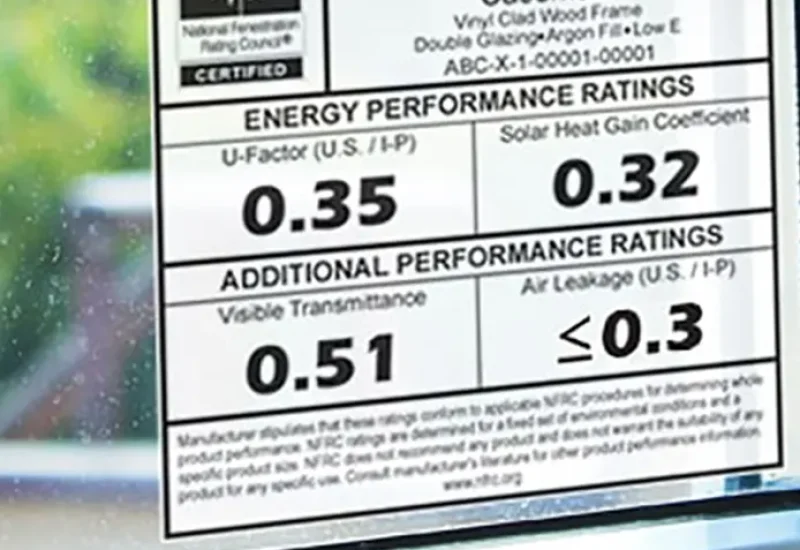
Furthermore, the glass must feature low Solar Heat Gain Coefficients (SHGC) to prevent the harsh Southern California sun from turning your newly opened living room into a greenhouse. For historic properties undergoing renovation in distinct neighborhoods like Mission Hills, this energy mandate creates an architectural conflict.
To solve this, we source specialized, custom wood-clad windows featuring “simulated divided lites” (SDL). These advanced units satisfy the strict visual demands of the Historical Resources Board by mimicking early 20th-century craftsmanship (using spacer bars between the glass) while successfully passing the modern energy code thermal tests
Thermal Bridging and Exterior Insulation Strategies
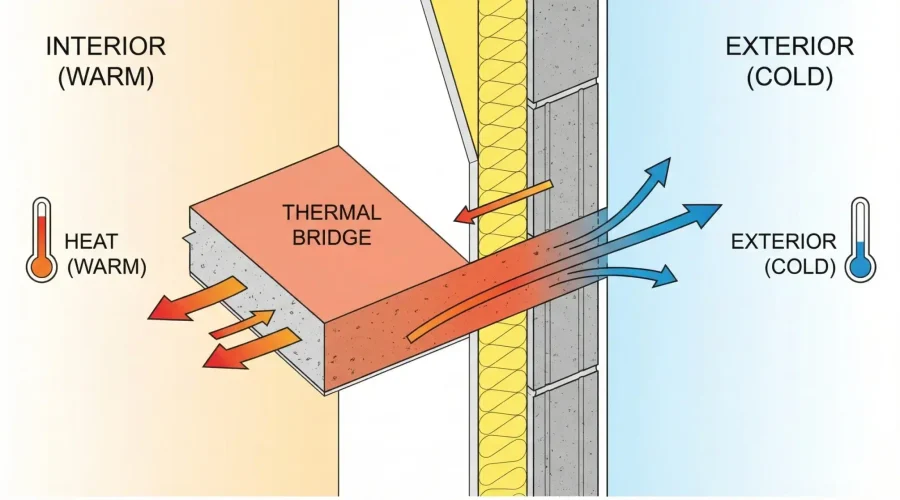
With the interior drywall completely removed, our crews implement comprehensive air leakage mitigation strategies.
This involves aggressive caulking, gasketing, and weather-stripping of all joints, top plates, and penetrations within the exterior wall assembly to achieve a nearly airtight seal. Outdated, sagging fiberglass batts are extracted and replaced with high-density, continuous cavity insulation.
To meet the strictest requirements of the 2026 prescriptive code, achieving compliance often requires going beyond cavity insulation by installing an additional layer of rigid insulation directly on the exterior of the wood framing. This advanced technique completely breaks the “thermal bridge” created by the wooden studs, drastically reducing the home’s overall heating and cooling loads, ensuring maximum interior comfort, and allowing the project to pass the mandatory HERS (Home Energy Rating System) diagnostic blower-door tests required for final sign-off.
Understanding B and B-2 Contractor Licensing
A down-to-the-studs whole-house remodel requires orchestrating dozens of specialized trades—structural engineers, rough framers, roofers, C-10 electricians, and C-36 plumbers. Under California law, managing a project of this complexity is strictly regulated by the Contractors State License Board (CSLB).
What B and B-2 Contractors Can and Cannot Do
According to the California Business and Professions Code Section 7057, only a General Building Contractor holding a full Class “B” license is legally authorized to execute prime contracts that require the use of two or more unrelated building trades.
Recently, the CSLB introduced a restricted “B-2” Residential Remodeling Contractor classification. While a B-2 licensee can perform basic aesthetic remodels involving three trades (like drywall, paint, and tile), the law explicitly prohibits B-2 contractors from making any structural changes to the building. They cannot legally remove load-bearing walls, alter the building envelope, or upgrade the main structural framing.
Because a true whole house remodel inherently relies on structural wall removal and deep foundational upgrades, hiring anything less than a fully licensed Class “B” General Building Contractor exposes the homeowner to immense uninsurable risk and immediate project shutdowns. MEE Builders operates under strict CSLB Class “B” compliance, assuming total responsibility for the heavy structural engineering, the retroactive permit negotiations, and the flawless execution of your complete home transformation.


Frequently Asked Questions About Whole House Remodeling in San Diego
How much does a down-to-the-studs whole house remodel cost in San Diego?
The average cost of a complete whole house remodel in San Diego ranges from $100,000 to over $200,000, or roughly $100 to $200 per square foot. When dealing with older properties in neighborhoods like North Park or Mission Hills, the final price heavily relies on resolving hidden code violations and mitigating structural deficiencies. MEE Builders issues precise estimates that factor in mandatory building code upgrades, such as Title 24 compliant fenestration, electrical panel replacements, and the integration of load-bearing LVL beams. By securing retroactive occupancy permits and managing civil engineering internally, we prevent unexpected budget blowouts during the physical build.
How long does a whole house remodel take in San Diego?
A full whole house remodel typically takes about 4 to 8 months from demolition to final inspection. The exact timeline depends heavily on San Diego permitting, especially if the property falls within the Coastal Overlay Zone or requires a Historic Review under Information Bulletin 580. MEE Builders keeps the project moving through centralized project management, direct owner oversight, and close coordination of framing, electrical, and plumbing work.
What reviews and permit requirements apply when remodeling a home over 45 years old in San Diego?
In San Diego, pulling a construction permit on a home that is 45 years old or older can trigger a Potential Historical Resource Review under Municipal Code Section 143.0212. This review is meant to protect the character of older neighborhoods and can affect exterior changes. MEE Builders manages the process by submitting the required photographic surveys and plans to the Historical Resources Board and by selecting compliant exterior materials, such as custom wood-clad windows with simulated divided lites, so the home can be updated while meeting the Secretary of the Interior’s Standards.
What is the step-by-step process for removing a load-bearing wall?
The process requires constructing temporary shoring walls, surgically cutting the vertical studs, and installing a heavy-duty engineered support beam. To safely achieve an open concept layout, the immense dead weight of the roof structure must be precisely intercepted and redirected down a continuous load path. MEE Builders utilizes laser-leveled shoring systems and structural engineers to calculate exact deflection tolerances before hoisting a Laminated Veneer Lumber (LVL) beam into the ceiling cavity. We then saw-cut the existing concrete slab and pour new steel-reinforced concrete footings to safely transfer these massive point loads directly into the earth.
Can you fix unpermitted work if a previous contractor failed to get permits?
Yes, we utilize the retroactive permitting process authorized by California Senate Bill 1226 to legally clear unpermitted construction. Bootlegged electrical sub-panels and illegal garage conversions routinely cause “Escrow Paralysis” for homeowners attempting to sell or renovate their properties. We eradicate this legal liability by opening the drywall, producing accurate as-built blueprints, and exposing the hidden plumbing lines and wire gauges for the city inspector. MEE Builders brings these compromised assemblies up to current life-safety codes, ultimately transforming a legal risk into heavily appraised square footage.
What causes severe foundation cracking and unlevel floors in inland San Diego homes?
Foundation fractures and structural shifting are primarily caused by the extreme hydrostatic pressure of expansive clay soils. 1 Communities in San Diego’s foothill regions sit on Vertisols that violently expand during winter rains and contract during dry summer months, creating severe edge lift and center lift against unreinforced concrete slabs. Over decades, this kinetic stress shears the foundation, throwing wood-framed structures out of plumb and causing diagonal drywall cracks. During our down-to-the-studs restorations, MEE Builders mitigates this geotechnical distress by utilizing epoxy injection, installing heavy-duty self-leveling underlayment, and executing comprehensive Earthquake Brace + Bolt (EBB) protocols.
Why do I need to upgrade my electrical panel and plumbing during a whole house remodel?
The 2026 California Title 24 Energy Code legally mandates robust electric-ready infrastructure, and legacy galvanized plumbing guarantees eventual catastrophic water damage. 2 Leaving 50-year-old cast-iron waste lines or obsolete 100-amp electrical panels inside newly closed walls jeopardizes the entire structural restoration. MEE Builders strictly enforces a complete infrastructure overhaul, trenching out rusted plumbing and replacing it with highly durable PEX-A and ABS piping. We simultaneously upgrade the property to a 400-amp service, pulling heavy-gauge copper home runs to safely support future high-efficiency heat pumps and induction cooking ranges.