

San Diego Retroactive Building Permits: Legalize Unpermitted Additions
Legalizing an unpermitted building in San Diego requires synthesizing forensic structural auditing with advanced municipal permitting strategies. MEE Builders executes targeted retroactive inspections and utilizes the IB-118 process to validate existing structural additions, seamlessly bringing legacy improvements into full compliance and securing your permanent Certificate of Completion.
- Fully Licensed & Insured: CSLB #1046249
- 10 Years of Excellence: Serving the San Diego, CA
- 100+ Verified Reviews Google, Yelp, Houzz
Curing San Diego Escrow Paralysis: Fast-Tracking Retroactive Building Permits
In established San Diego neighborhoods like Clairemont and Mira Mesa, the housing stock is heavily defined by classic mid-century bungalows that have undergone decades of undocumented, “handyman-built” modifications. Throughout the 1980s and 1990s, homeowners frequently expanded their footprints by enclosing patios, building sunrooms, or converting garages without permits to accommodate growing families.
When modern homeowners attempt to list these high-value properties, they frequently encounter a specific local phenomenon known as “Escrow Paralysis.” This occurs when a buyer’s inspector suddenly realizes a sprawling master suite addition or an attached garage studio was never legally permitted, stopping a 7-figure real estate transaction in its tracks.
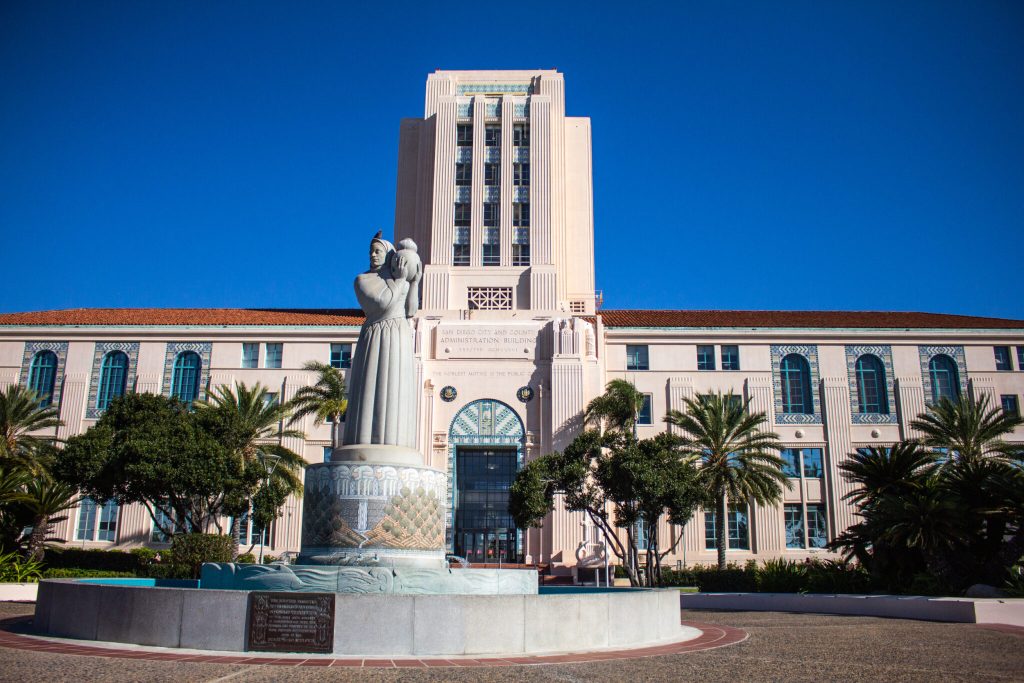
Operating just 12 minutes from the San Diego Development Services Center (1222 First Ave), MEE Builders utilizes this extreme geographic proximity to expedite physical records retrieval. We mobilize immediately to pull the archival blueprints from the city and cross-reference the historical municipal data against your current physical footprint. This rapid diagnostic process allows us to provide the exact civil engineering validation required to legitimize the estate, satisfy the lender’s rigid underwriting requirements, and smoothly restore your real estate transaction.
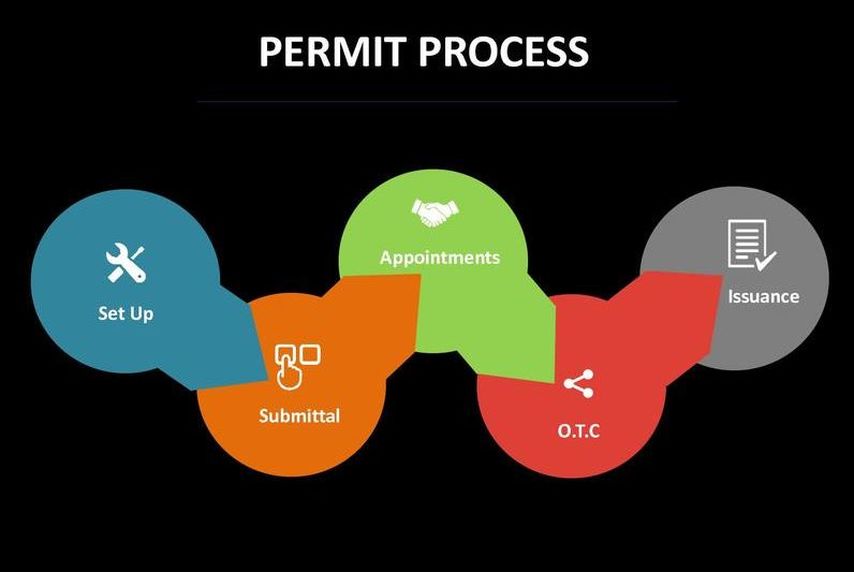
The San Diego Retroactive Permitting & Legalization Process
Leveraging San Diego Municipal Code Section 129.0203 for Permit Exemptions
When unpermitted work is discovered, standard contractors often advise tearing down the functional architecture and starting from scratch. MEE Builders approaches the situation with advanced forensic precision, initiating a comprehensive “Escrow Rescue” audit to preserve your existing square footage and protect your capital investment.
Our structural engineers deploy to the site to forensically map the undocumented framing, foundation tie-ins, and electrical runs. We rigorously analyze the physical structure against San Diego Municipal Code Section 129.0203, which outlines highly specific building permit exemptions. Often, we discover that certain elements—such as specific window replacements that did not alter the exterior weather-resistant flashings, or component repairs under $1,000—are legally exempt from requiring a permit. By scientifically proving that the physical work meets or exceeds the structural intent of the life-safety codes in place at the time of construction, we frequently secure a clear, engineered pathway to a “Certificate of Completion” while flawlessly preserving the physical asset.
Consolidating Unpermitted Changes with San Diego Information Bulletin 118 (IB-118)
Resolving multiple unpermitted changes – such as an undocumented bathroom remodel combined with a bootlegged patio enclosure – often forces property owners into multiple, disjointed permitting cycles that bleed capital. MEE Builders provides a highly sophisticated alternative by utilizing the administrative framework of the IB-118 Construction Change Process
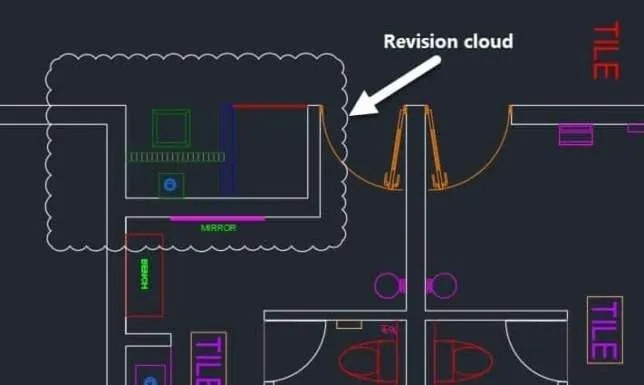
We deploy our in-house drafting team to create impeccable As-Built Plans that accurately reflect the physical realities of your home. Under the IB-118 guidelines, we use precise Delta Symbols to clearly annotate every unpermitted modification, thereby preserving the revised work in a single, unified master document.1 This methodology expertly consolidates multiple undocumented infractions into one streamlined municipal review cycle.1 By presenting a singular, cohesive engineering package to the city planner, we successfully bypass the city’s standard Plan Check Multiplier, saving our clients thousands of dollars in redundant, hourly administrative fees and vastly accelerating the final approval timeline
Clearing San Diego Correction Notices with Precision As-Built CAD Engineering
Legitimizing a “handyman-built” structure requires proving to the city inspector that the underlying skeleton is unyielding, mathematically sound, and safe for habitation. Securing a Retroactive Building Permit is an invasive but surgically precise operation that officially transforms undocumented, unappraised space into highly valuable real estate.
We systematically execute this process by strategically removing small sections of drywall to expose the underlying structural framing. This allows the municipal inspector to physically verify the stud spacing, foundation anchor bolts, and electrical wire gauges. If the original construction is found to be structurally deficient, we immediately engineer the necessary enhancements – such as installing proper Laminated Veneer Lumber (LVL) load-bearing headers, executing heavy-duty epoxy injection into the foundation, or upgrading the electrical home runs to meet current Title 24 mandates.
If the city plan reviewer issues a Correction Notice regarding an interpretation of the continuous load path, our in-house drafting team instantly revises the CAD blueprints. This immediate, centralized response ensures the administrative loop is closed rapidly, your finalized permits are officially recorded, and your property attains full, undisputed legal status.

San Diego Retroactive Building Permits & Code Enforcement FAQs
Can MEE Builders legalize an unpermitted garage conversion in Mira Mesa?
Yes, we specialize in drawing exact As-Built Plans and navigating the retroactive permitting process to legalize unpermitted garage conversions. We rigorously evaluate the existing structural integrity, verify the concrete slab’s moisture barriers, and upgrade the electrical systems to meet San Diego’s strict zoning laws and habitability standards, translating a hidden liability into a fully compliant, legal living space.
How does the IB-118 process save money on San Diego plan-check fees?
The IB-118 Construction Change framework legally allows us to consolidate multiple unpermitted changes into a single review cycle.1 By accurately clouding the revised work using Delta Symbols on one set of master plans, we bypass the city’s Plan Check Multiplier, preventing you from paying redundant, non-refundable hourly fees for separate electrical, plumbing, and structural reviews.
What happens if the city issues a Correction Notice during the retroactive permit process?
We resolve Correction Notices immediately using our in-house architectural drafting team. Because we operate with a centralized point of authority, the exact same engineer who analyzed the structural load paths on-site will instantly revise the CAD blueprints to satisfy the city planner’s interpretation, completely eliminating the prolonged redesign loops associated with disjointed corporate remodeling firms.
Do I have to demolish my unpermitted patio addition in Clairemont?
No, full demolition is rarely the first step. We execute a comprehensive “Escrow Rescue” audit to evaluate the structure against San Diego Municipal Code Section 129.0203. If the framing techniques meet the life-safety codes applicable at the time of the original build, we can strategically expose the framing for the inspector and secure a Retroactive Building Permit without tearing down the functional architecture.
How quickly can you retrieve historical blueprints for a San Diego property?
It takes our team exactly 12 minutes to reach the San Diego Development Services Center (1222 First Ave) from our Miramar Rd headquarters. We mobilize rapidly to pull the archival blueprints and cross-reference them against your property’s current footprint, allowing us to immediately establish the facts during an active real estate transaction and halt Escrow Paralysis.