
San Diego Interior Remodeling for Home Theaters, Home Offices & Home Gyms
Execute high-performance room conversions that extract maximum functional utility from your existing property footprint, leveraging forensic interior engineering to deliver a flawless, masterfully crafted lifestyle space.
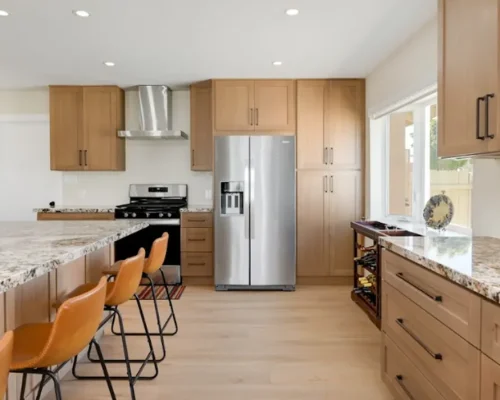
San Diego Interior Remodeling Solutions for Outdated Floor Plans
An interior remodeling San Diego project requires synthesizing structural load modifications with advanced acoustic engineering and high-capacity electrical upgrades. MEE Builders executes high-performance redesigns of existing square footage, converting underutilized rooms into fully functional, code-compliant lifestyle spaces engineered to meet exact 2026 CEC and Title 24 mandates.
- Fully Licensed & Insured: CSLB #1046249
- 10 Years of Excellence: Serving the San Diego, CA
- 100+ Verified Reviews Google, Yelp, Houzz
Interior Remodeling for Older Floor Plans and Structural Upgrades
Executing structural interior modifications across San Diego requires a forensic understanding of the region’s diverse housing stock. Thousands of estates built throughout the 1950s in Allied Gardens, or the 1980s tract developments in Carmel Valley, feature “Static Layout Syndrome” – a localized architectural condition where floor plans are rigidly compartmentalized with tiny rooms and narrow hallways. These aging blueprints offer immense potential when upgraded with the modern infrastructure required for remote-work demands, wellness-focused living, and high-performance acoustic environments.
A standard 10×10 spare bedroom requires deliberate reinforcement to comfortably handle the continuous thermal output of commercial server racks, the dense point-loads of cast-iron gym equipment, or the severe low-frequency acoustic energy of a 7.2.4 Dolby Atmos media system
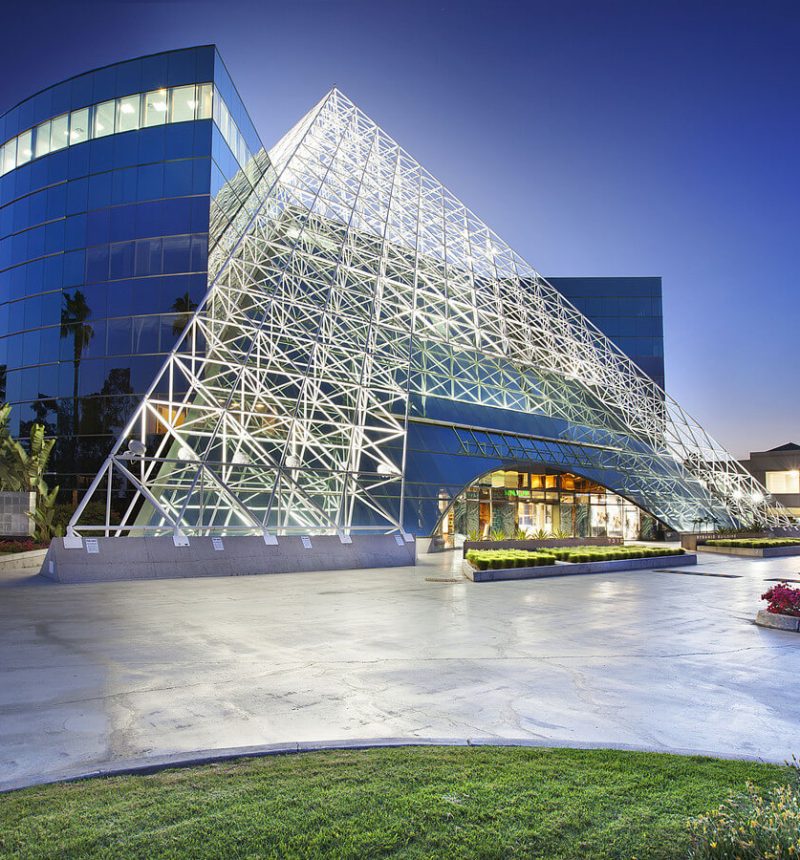
San Diego-Based Project Management and Material Coordination
Successfully executing these specialized architectural upgrades demands rapid supply chain logistics and precision material sourcing. Positioned exactly 6 minutes from the Miramar Design District, MEE Builders operates from a centralized headquarters at 8400 Miramar Rd, Suite 200a.
This immediate geographic proximity allows the firm to directly source commercial-grade acoustic baffles, rigid Type-L copper, and heavy-duty electrical components from specialized local suppliers like Graybar, City Electric Supply, and Acoustic Design Lab.
This centralized advantage ensures that the highly technical materials required for deep interior modifications are staged on-site precisely when needed, keeping complex room conversions moving at maximum velocity across the entire 921XX zip code grid.
Designing Interior Remodels for San Diego Soil and Climate Conditions
Even when working strictly inside the existing Building Envelope, San Diego’s diverse physical environment dictates interior construction methodologies.
Inland corridors such as North Park, Scripps Ranch, and Poway sit directly atop expansive clay Vertisols – specifically the highly volatile Diablo and Las Flores soil series. To ensure that a newly installed ground-floor home gym or rigid luxury wet room performs flawlessly over decades, the underlying structural slab is expertly stabilized.
The firm utilizes heavy-duty epoxy injection to permanently seal existing slab fractures and applies commercial-grade self-leveling underlayment compounds to create a perfectly flat substrate before installing rigid large-format porcelain or heavy vulcanized rubber gym flooring.
Conversely, estates situated in coastal-adjacent zones west of the I-5 corridor face constant exposure to airborne marine moisture.8 When building specialized acoustic envelopes or installing custom millwork in these zones, materials are staged on-site in an actively climate-controlled environment.
This meticulous attention to environmental equilibrium ensures that the structural timber and acoustic paneling acclimate perfectly to the home’s conditioned air, guaranteeing that pristine painted finishes and intricate joinery remain absolutely flawless against the coastal atmosphere for generations.

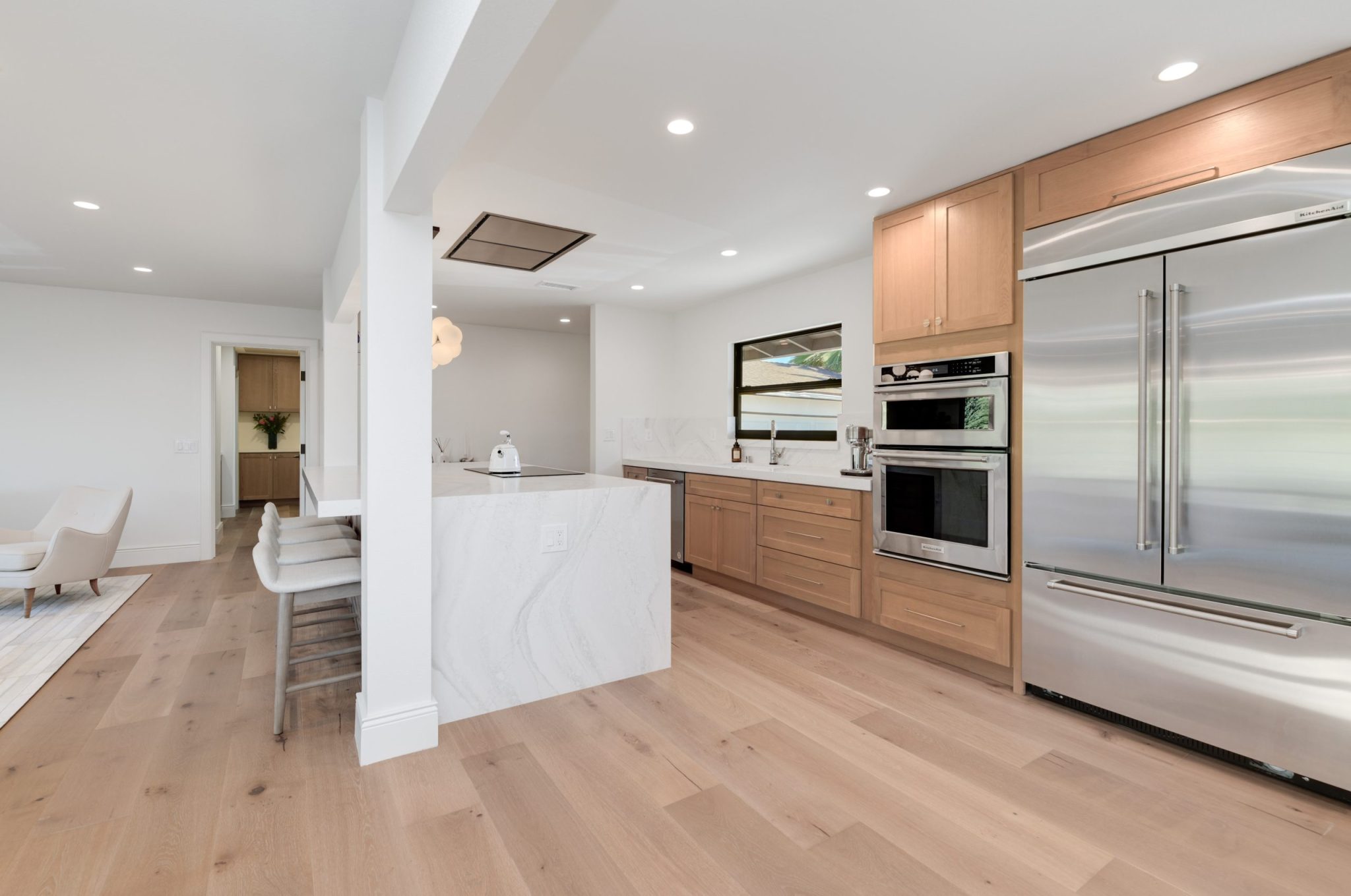
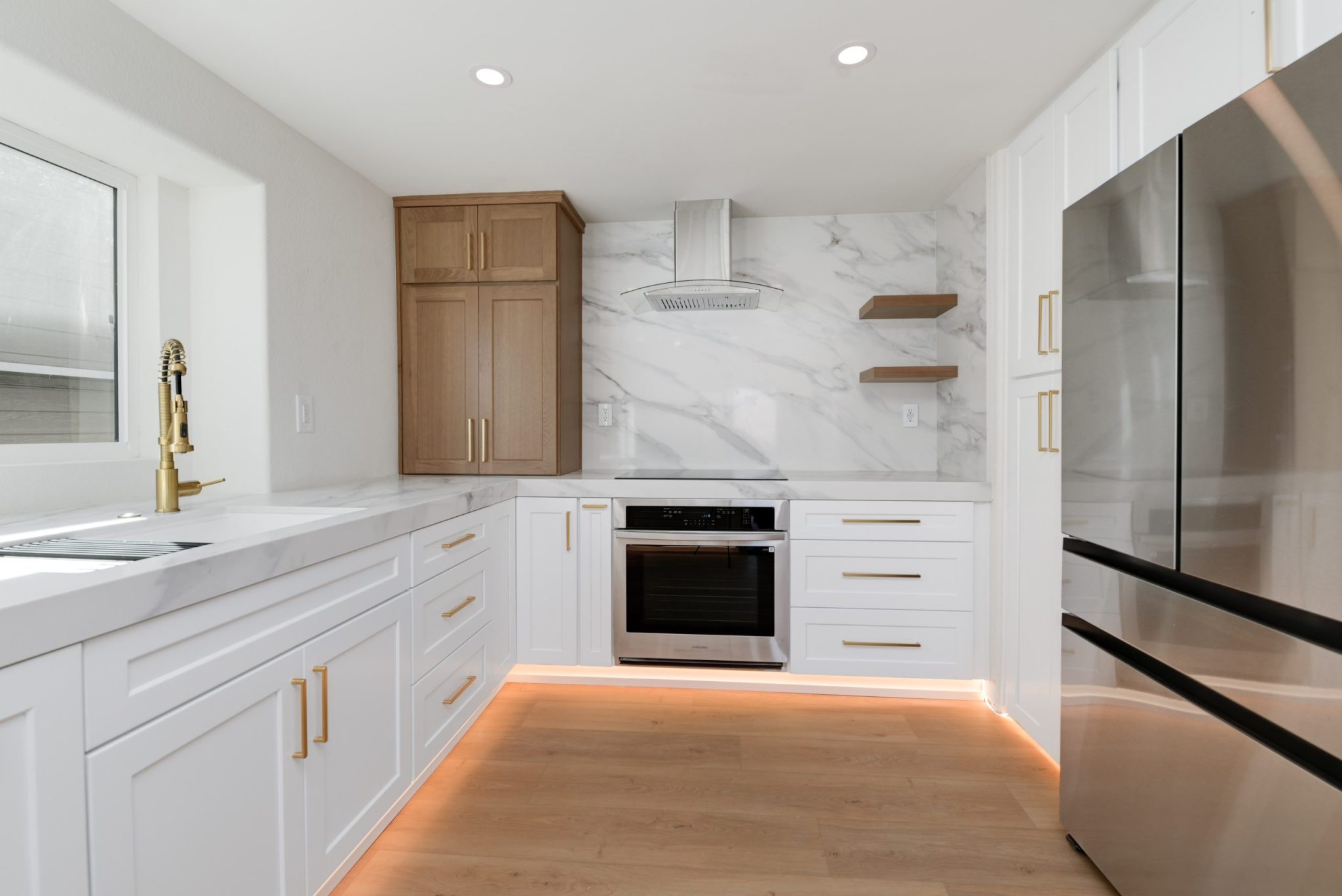
Recent Interior Remodeling Project
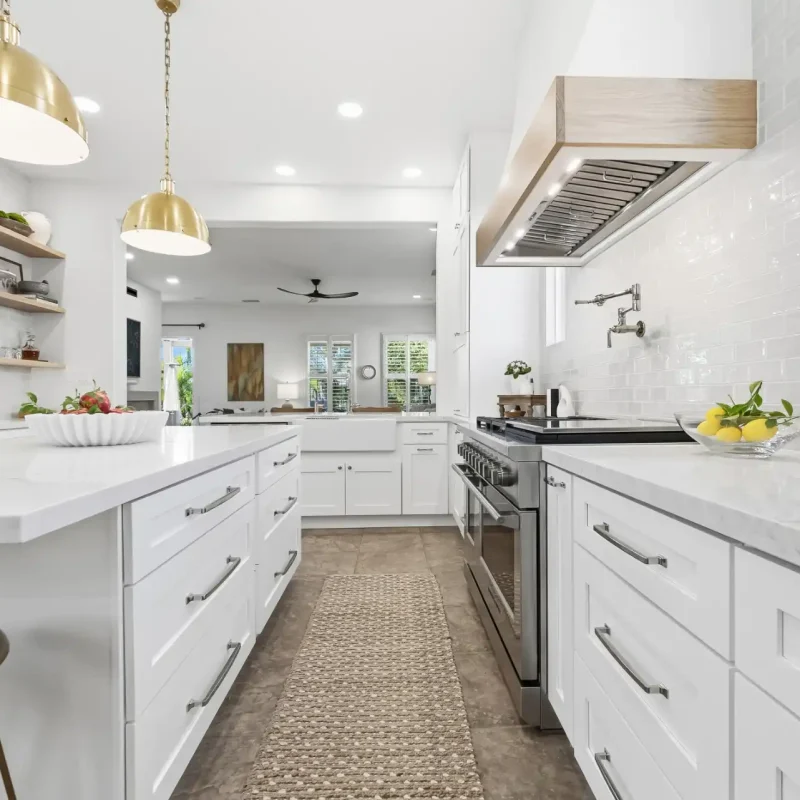
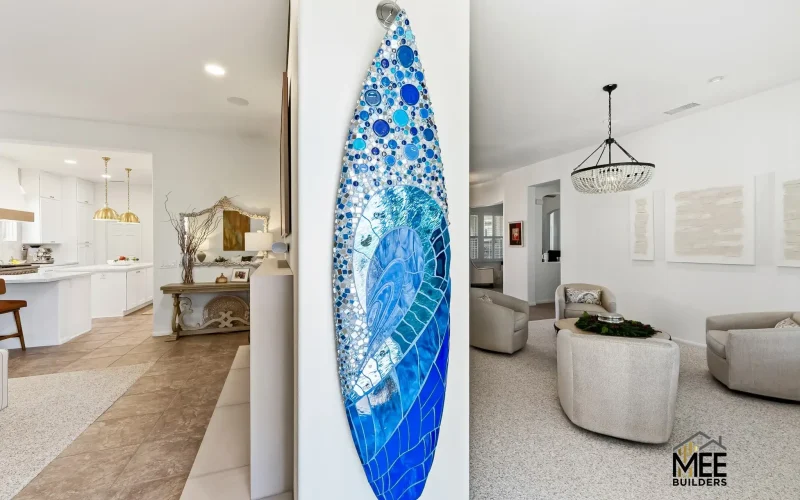
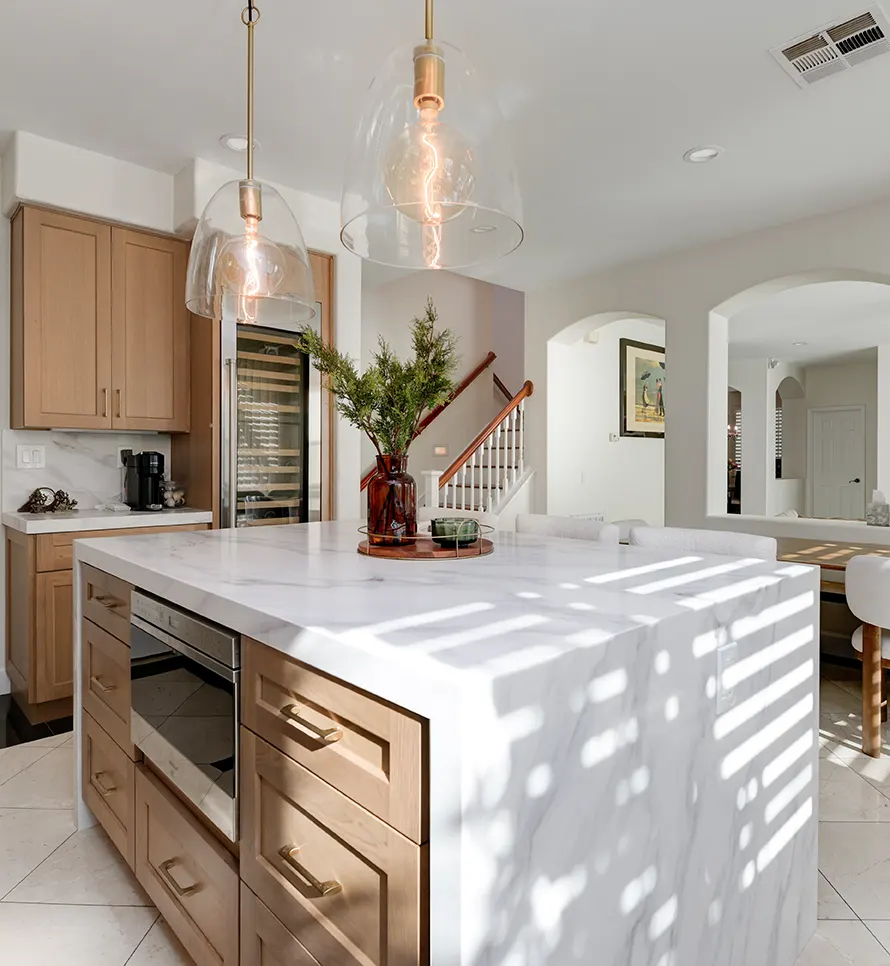
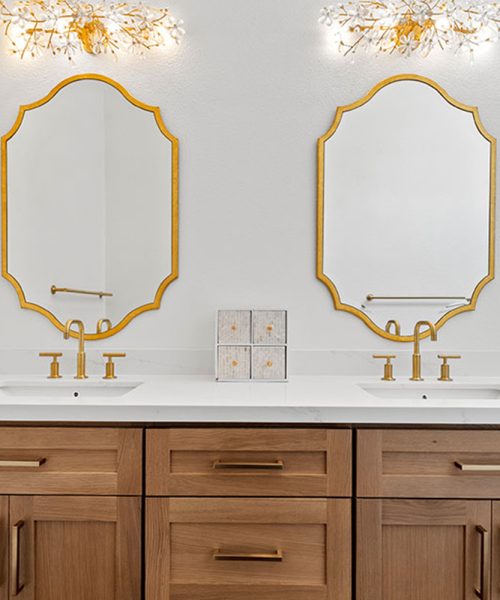
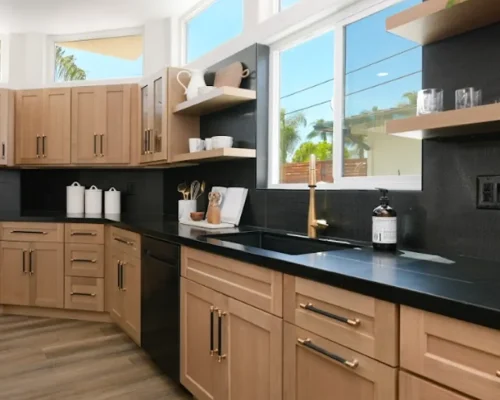
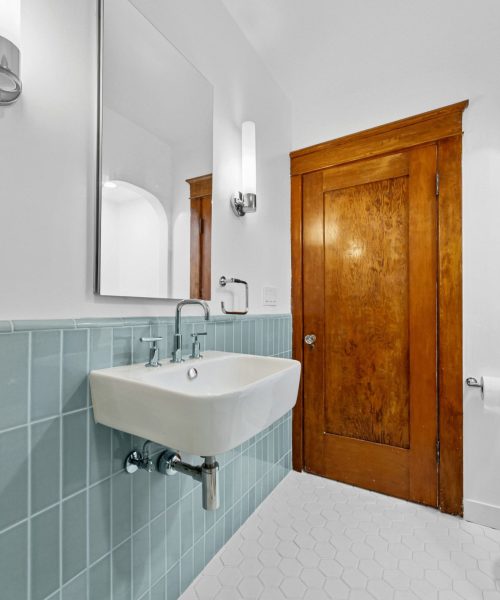
Coastal Modern Living
Coastal Modern” vibe—a design language that marries the breezy, laid-back feel of Southern California with high-end, sophisticated finishes
Why Homeowners Choose a Design-Build Interior Remodeling Team
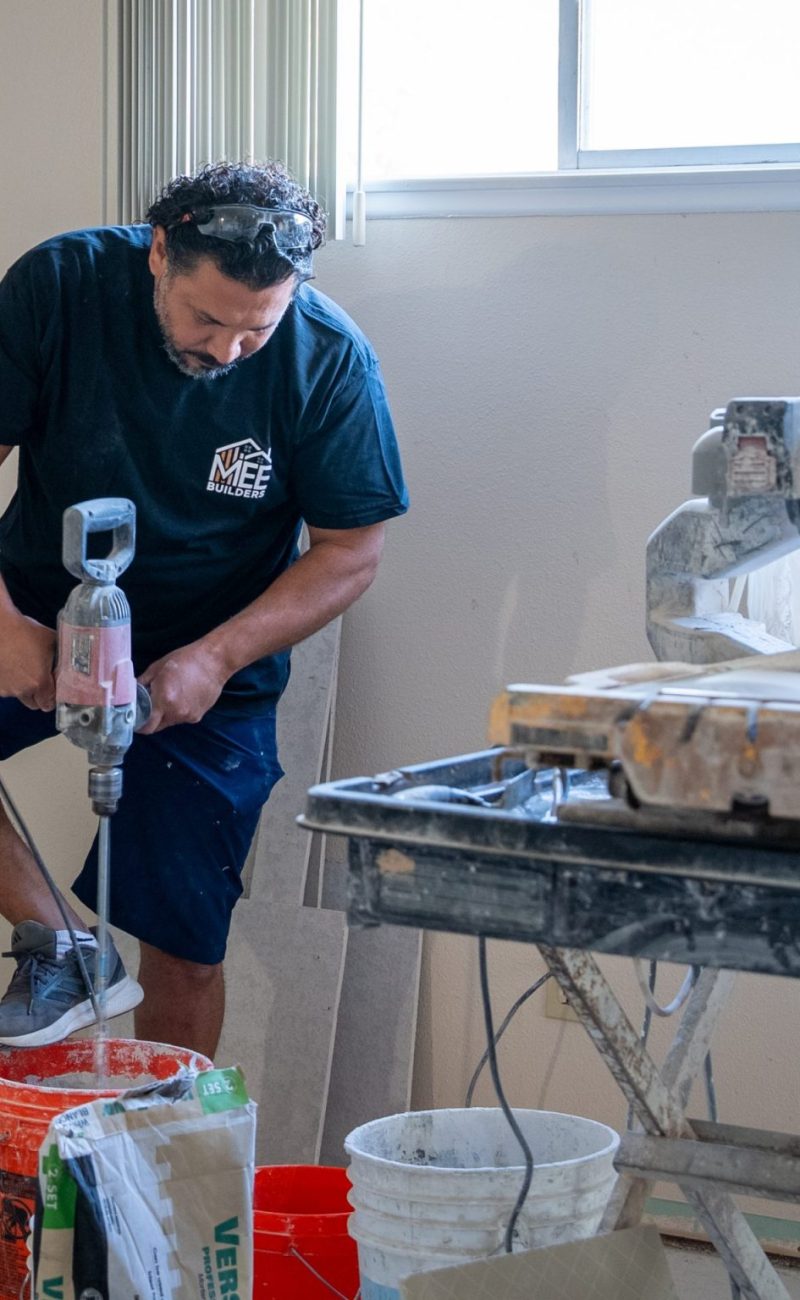
A true, specialized room transformation requires profound technical mastery over the hidden infrastructure behind the drywall. MEE Builders operates strictly as “Performance Interior Contractors.”
The primary objective is to fundamentally re-engineer the underlying physics of the space, executing the deep structural, acoustic, and electrical mechanics required to make a room genuinely functional and enduring for its intended lifestyle purpose.
Licensed Execution for Complex Interior Remodeling Projects
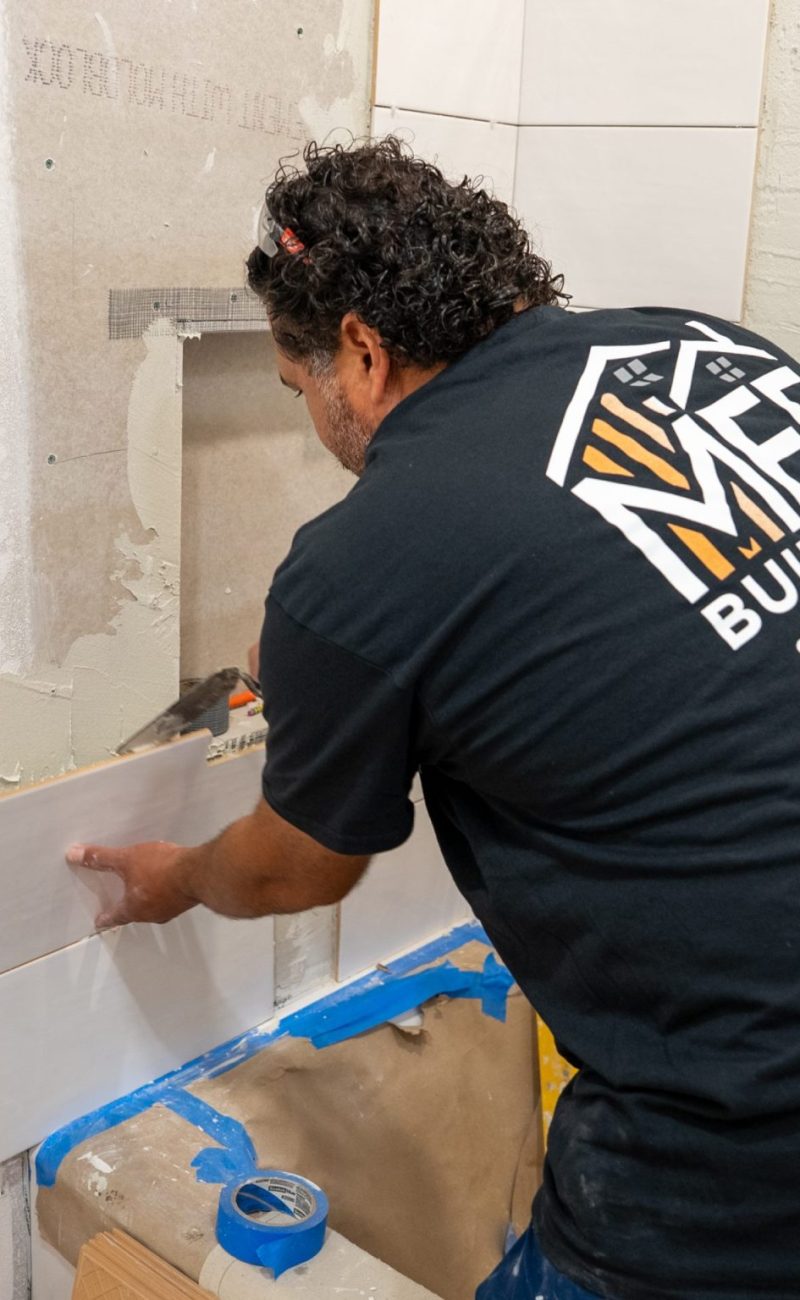
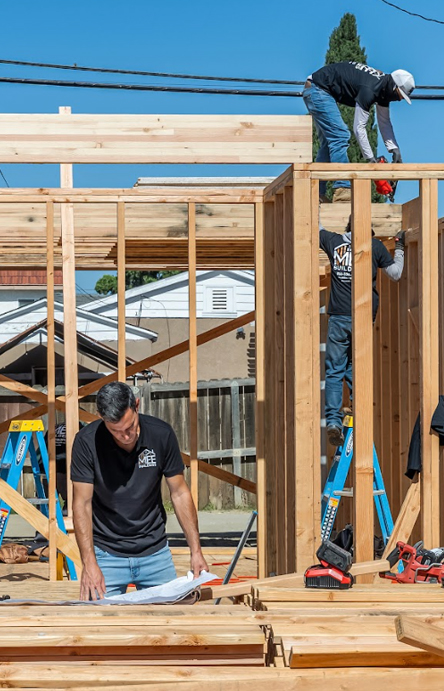
Altering an interior footprint frequently requires executing a Load-Bearing Modification to open up the floor plan or flawlessly combine adjacent rooms into a massive executive suite. Undertaking this level of structural surgery requires absolute legal and engineering authority. MEE Builders operates under strict CSLB #1046249 Class “B” General Building Contractor compliance.
Functioning as fully licensed structural general contractors, the firm safely manages the interception and redirection of the immense dead weight of the second-story framing and roof structure, securing your investment with uncompromising legal validation.
A Decade of Technical Remodeling Experience in San Diego
Leveraging 10 years of forensic construction experience, under the direct, daily oversight of owner Yaron Gauzner, the firm brings a strictly centralized point of authority to every room conversion.
The exact same professional who calculates the precise shear strength requirements and deflection tolerances for a Laminated Veneer Lumber (LVL) beam during the drafting phase is actively on-site orchestrating the laser-leveled shoring walls and negotiating the interior modification permits directly with the San Diego Development Services Department (DSD). This unified operational model guarantees flawless execution and unmatched precision from the initial demolition through to final occupancy.
Soundproof Interior Remodeling for Home Theaters and Offices
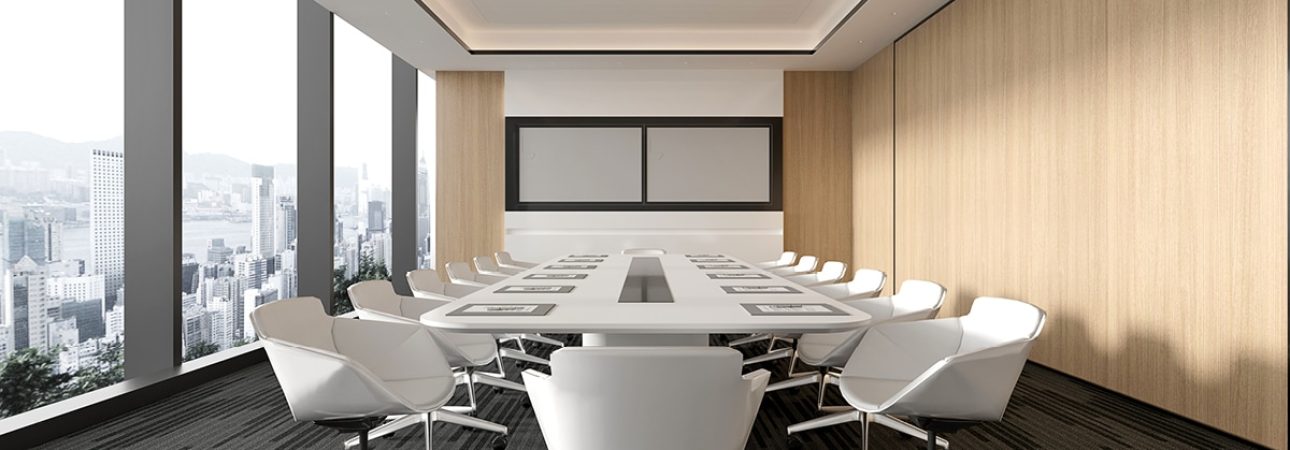
When converting a standard bedroom into a high-performance home theater, an executive home office, or a Sensitive Compartmented Information Facility (SCIF) equivalent, managing acoustic energy is critical. Standard residential interior walls are constructed using a single row of 2×4 wooden studs clad in basic 1/2-inch gypsum board, yielding a Sound Transmission Class (STC) rating of roughly 33.9 To create absolute sonic isolation—ensuring pristine acoustic clarity within the theater and absolute tranquility in the adjacent master suite—the firm engineers a highly specialized Acoustic Envelope.
Advanced Decoupling Systems for High-Performance Sound Isolation
Professional recording studios, immersive 7.2.4 Dolby Atmos home theaters, and high-privacy offices require partitions engineered to achieve an STC rating between 55 and 65, rendering loud sounds from musical instruments or media systems virtually inaudible to the rest of the estate. Sound is kinetic energy that travels rapidly through rigid, solid materials. To control it, the mechanical connection between the source room and the receiving room must be scientifically broken through decoupling.
The engineering team utilizes staggered-stud or double-stud wall framing, establishing a distinct 2-inch air gap between the dual wall structures so that physical vibrations cannot track laterally through the lumber. Where spatial constraints prevent thick double-stud framing, the firm installs heavy-duty metal resilient channels horizontally across the existing studs. These specialized metal channels act as mechanical shock absorbers, floating the new premium 5/8-inch Type X drywall off the timber framing to permanently interrupt the transmission path of structure-borne noise
Mass-Loaded Vinyl for Low-Frequency Sound Control
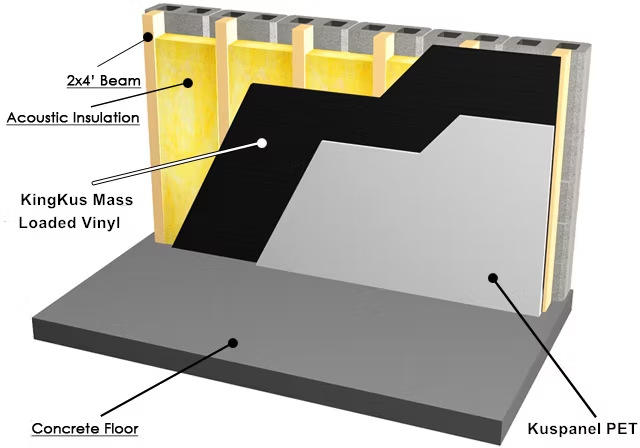
Stopping the deep bass energy (wavelengths below 100 Hz) generated by action movie soundtracks and heavy subwoofers requires immense physical mass. Instead of consuming valuable square footage with multiple layers of standard drywall, the firm specifies the installation of Mass-Loaded Vinyl (MLV). MLV is a dense, highly flexible polymer membrane heavily infused with barium sulfate or calcium carbonate.
A standard 1/8-inch thick roll of MLV weighs a massive 1 pound per square foot, providing an immediate intrinsic STC value of 26 entirely on its own. By sandwiching this limp, heavy material directly between the acoustic drywall and the framing, the wall assembly efficiently absorbs and dissipates long-wavelength bass energy.
The installation protocol strictly utilizes professional acoustical sealant on all perimeter gaps, floor plates, and material overlaps. This ensures that the acoustic barrier remains perfectly continuous, allowing executives to conduct confidential calls or home theaters to run at reference volumes in total privacy.
Target STC Rating | Acoustic Performance Description | San Diego Interior Application |
30 – 35 | Normal speech is easily heard and understood. | Standard builder-grade interior walls. |
40 – 45 | Loud speech is heard but unintelligible. | Basic bedroom or playroom conversions. |
50 – 55 | Loud sounds are faintly heard. True privacy begins. | Standard home offices and dedicated media rooms. |
60+ | Superior soundproofing; loud instruments are inaudible. | High-fidelity 7.2.4 Dolby Atmos theaters and SCIFs. |
Electrical Upgrades for Media Rooms, Offices and Smart Interiors
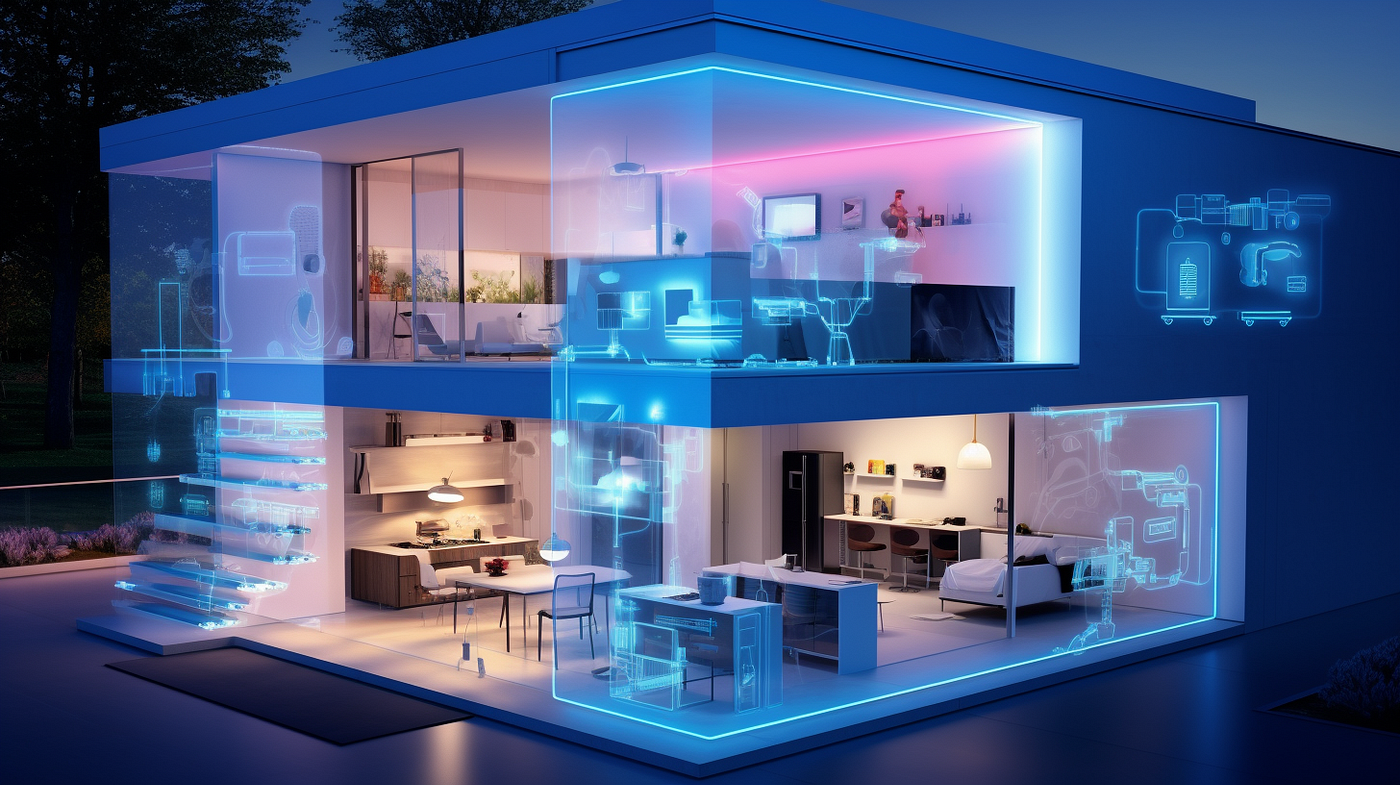
Transforming a room into a high-demand technology hub requires profound electrical engineering behind the walls. Older San Diego homes frequently utilize legacy 100-amp electrical panels and shared 15-amp branch circuits.
To ensure your specialized setups perform brilliantly when you plug a high-end 7.2.4 Dolby Atmos audio-video receiver (AVR), dual 1000-watt subwoofers, a laser projector, and continuous server racks into the system, the infrastructure must be comprehensively upgraded.
Code-Compliant Receptacle Layouts for Home Offices and Media Rooms
When executing an interior remodel, the structural footprint is comprehensively updated to comply perfectly with the 2026 California Electrical Code (CEC) updates. Specifically, CEC Section 210.52 governs the exact placement and spacing of receptacle outlets to ensure safe, immediate power access without the reliance on extension cords.
The 2026 code enforces a strict 24-inch rule for general wall spaces, dictating that no point along the floor line can be more than 24 inches from a receptacle. Furthermore, for specialized built-in cabinetry commonly utilized in executive home offices, wet bars, or peninsulas, the newly introduced Section 210.52(A)(5) requires that wall space or floor receptacles be installed strategically, avoiding placement lower than 24 inches beneath a countertop or work surface. The engineering team mathematically maps these exact spatial requirements during the preliminary CAD phase, ensuring the newly configured room passes the municipal electrical rough-in inspection flawlessly.
Panel Upgrades and Dedicated Circuits for High-Demand Rooms
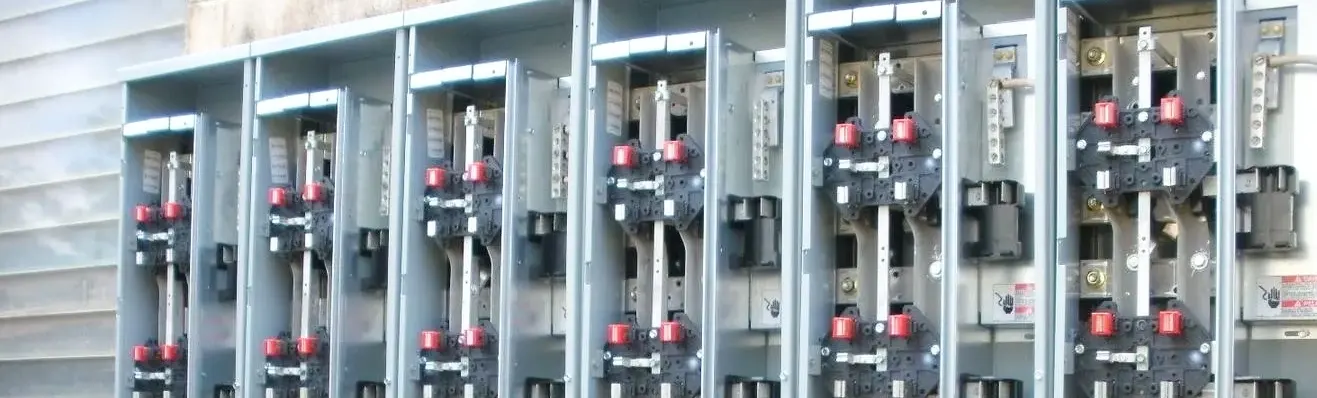
To power these high-performance interior setups cleanly and safely, the property’s electrical infrastructure is vastly upgraded by coordinating directly with SDG&E to engineer the main service with a robust 400-amp electrical panel system.
For custom media rooms and commercial-grade home gyms, the routing of Dedicated Circuitry is expertly implemented. A dedicated circuit provides a direct line of electricity from the main panel to the specific AV equipment or heavy-duty treadmill, isolating it from the voltage fluctuations caused by other household appliances. This setup utilizes thicker 12AWG heavy-gauge copper wiring and 20-amp breakers to provide a massive 2,400 watts of sustained, clean power delivery. By ensuring all critical audio circuits run on the exact same phase leg of the electrical panel, the engineering team prevents ground loop interference, maintaining a pristine, high-fidelity acoustic experience
San Diego Home Gym Remodeling With Structural Load Planning
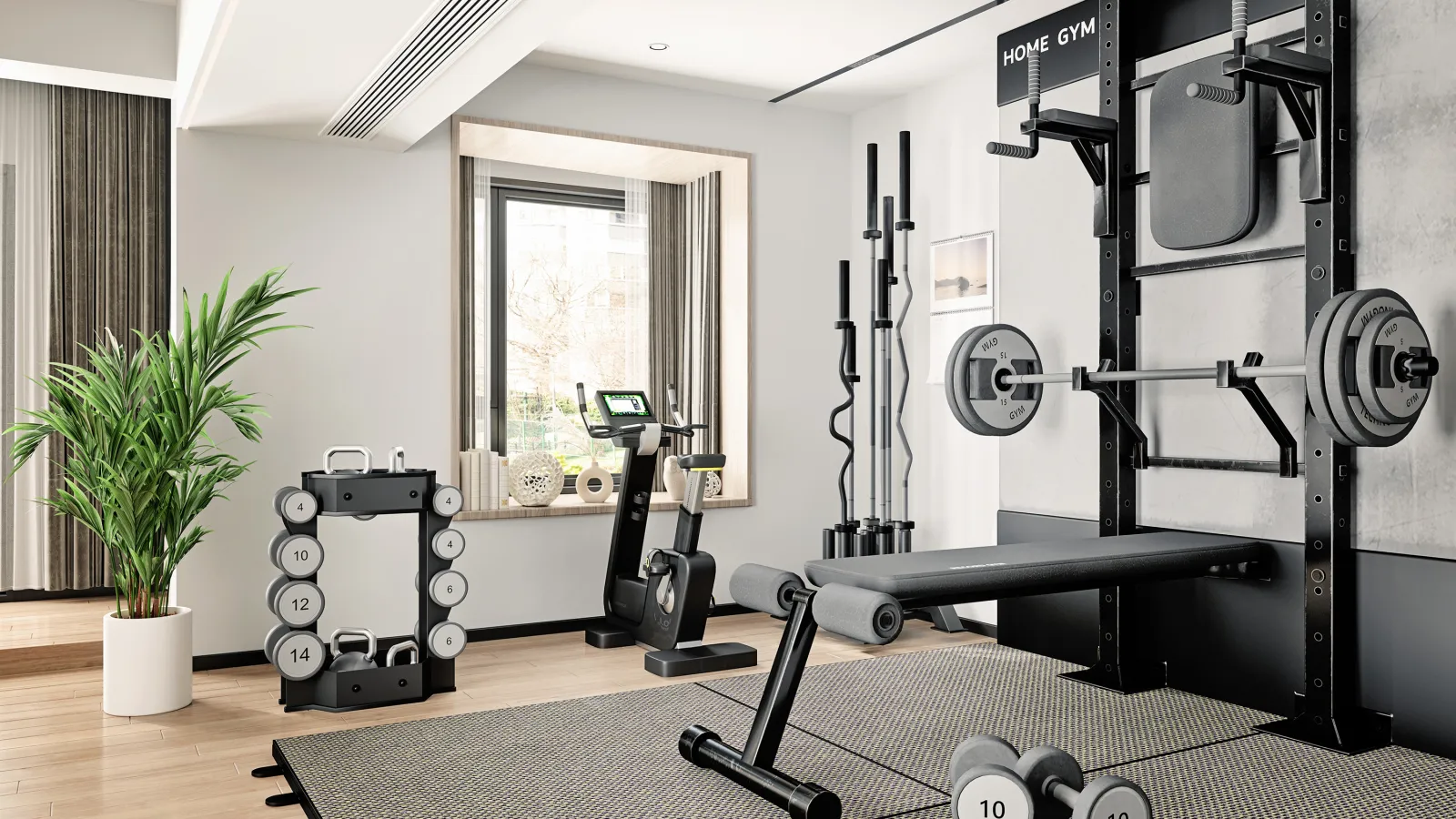
Converting an upstairs bedroom or a suspended floor plan into a commercial-grade home fitness center introduces distinct kinetic and static weight requirements.
U.S. building codes, including the California Residential Code, specify a uniform live load of exactly 40 pounds per square foot (psf) for standard residential floor designs. While this 40 psf metric easily accommodates normal bedroom furniture, a customized strategy is deployed to support the massive point-loads generated by iron power racks and heavy dumbbell arrays.
Floor Load Planning for Heavy Fitness Equipment
When a property owner plans to install fitness equipment that exceeds this 40 psf footprint, the underlying floor joists receive advanced structural reinforcement to maintain absolute rigidity and preserve the drywall on the floor below.
MEE Builders forensically analyzes the exact weight distribution of the planned equipment before construction begins. To comfortably support the new mechanical load, the existing floor assembly is heavily reinforced. The structural framing is aggressively “sistered”—a process where the existing floor joists are bolted alongside high-strength Laminated Veneer Lumber (LVL) to double their rigidity. Furthermore, heavy solid timber blocking is installed at highly specific intervals between the joists to create absolute lateral stability, distributing the concentrated downward pressure evenly into the home’s primary continuous load path.

Acoustic Flooring Upgrades for Home Gym Noise Control
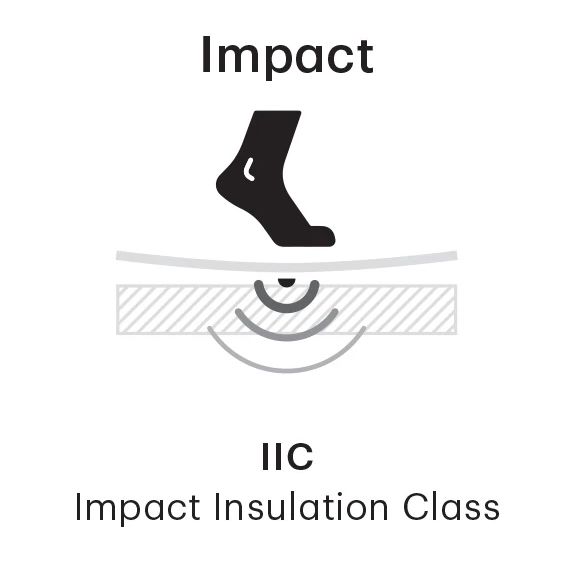
Alongside achieving absolute structural stability, the interior gym environment is engineered to effectively manage impact noise. To ensure that dropping weights or running on treadmills does not transmit kinetic soundwaves through the wood-framed floors, the firm upgrades the floor assembly’s Impact Insulation Class (IIC) rating.
Before final surface materials are applied, heavy-duty 8mm to 10mm recycled rubber acoustic underlayments are installed directly over the structural-grade plywood subfloor. This dense rubber matrix physically absorbs the kinetic shock of foot traffic and equipment. The final surface is flawlessly finished with specialized interlocking vulcanized rubber tiles that comfortably exceed the necessary Dynamic Coefficient of Friction standards required for athletic safety. This meticulous flooring sequence ensures the environment remains incredibly rugged and acoustically optimized
Title 24 Lighting and Energy Compliance for Interior Remodels
Any major interior remodel in San Diego that alters the space conditioning, opens the building envelope, or heavily modifies the electrical layout triggers compliance with the 2026 California Title 24 Energy Code (Part 6). This rigorous state mandate aggressively forces the decarbonization of residential buildings and enforces the strictest energy efficiency protocols for all interior illumination in the nation.
Circadian Lighting, JA8 Fixtures and Smart Dimming Controls
Modern interior design relies heavily on intelligent, human-centric illumination. A high-performance home office or wellness suite is equipped with lighting architectures designed to actively support human biology. Advanced circadian lighting systems beautifully mimic the natural progression of sunlight throughout the day, automatically shifting from crisp, high-kelvin white light during morning work hours to a warm, dim ambient glow at night to promote optimal sleep cycles and mental acuity.
To execute these sophisticated setups legally, the firm adheres strictly to the Title 24 Joint Reference Appendix JA8 performance requirements, which mandate the exclusive use of high-efficacy light sources across all new installations.Furthermore, the code demands the seamless integration of multilevel lighting controls and automatic time-switch controls.MEE Builders hardwires these systems with advanced continuous dimming modules that allow the lighting power to smoothly drop from 100 percent down to 10 percent, ensuring the estate remains exceptionally energy-efficient while delivering a perfectly tailored aesthetic environment.
Title 24 Part 6 Requirement | Technical Execution | Remodeling Impact |
High-Efficacy Lighting (JA8) | Installation of certified LED luminaires exceeding baseline lumens per watt. | Replaces legacy incandescent fixtures; drastically reduces the thermal heat load inside the room. |
Multilevel Controls | Hardwired continuous dimming systems (100% to 10% output). | Allows for precise environmental tuning and scene-setting in home theaters and executive offices. |
Electric-Ready Infrastructure | Integration of dedicated 240-volt circuits utilizing heavy-gauge copper. | Prepares the interior suite for advanced heat pump systems and high-draw hardware integration. |
HERS-Driven Envelope Upgrades for Comfort and Efficiency
When interior walls are stripped down to the studs to reconfigure a layout, the physical integrity of the Building Envelope is fully evaluated. To meet the aggressive thermal efficiency standards of the 2026 code, outdated, sagging fiberglass batts are expertly extracted and replaced with high-density, continuous cavity insulation.
If the room’s HVAC ductwork is altered, extended, or expanded to accommodate the new volumetric layout, state regulations mandate strict airflow efficiency. New duct systems must be meticulously sealed with professional-grade mastic to achieve a stringent leakage rate not exceeding 6 percent of the nominal air handler airflow.
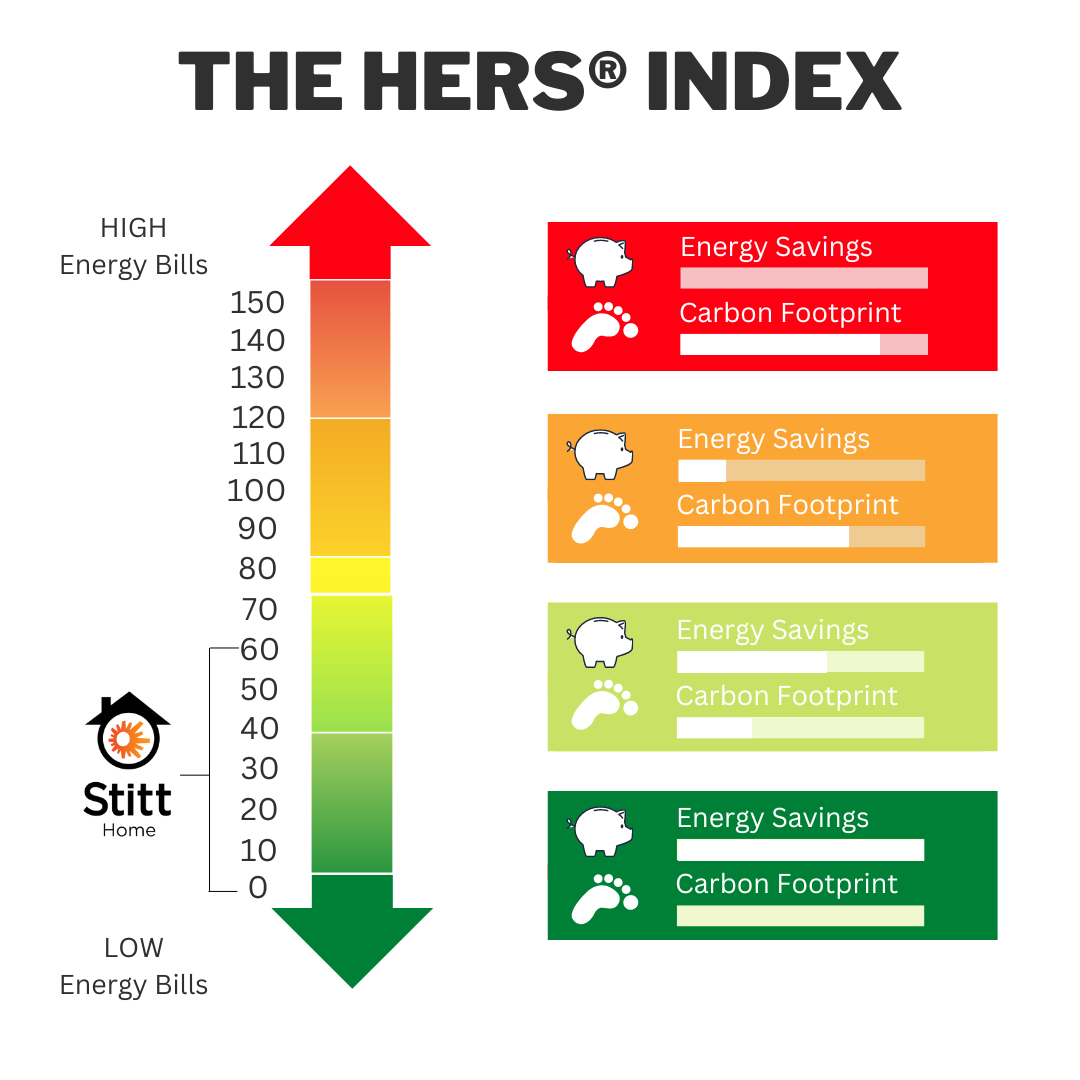
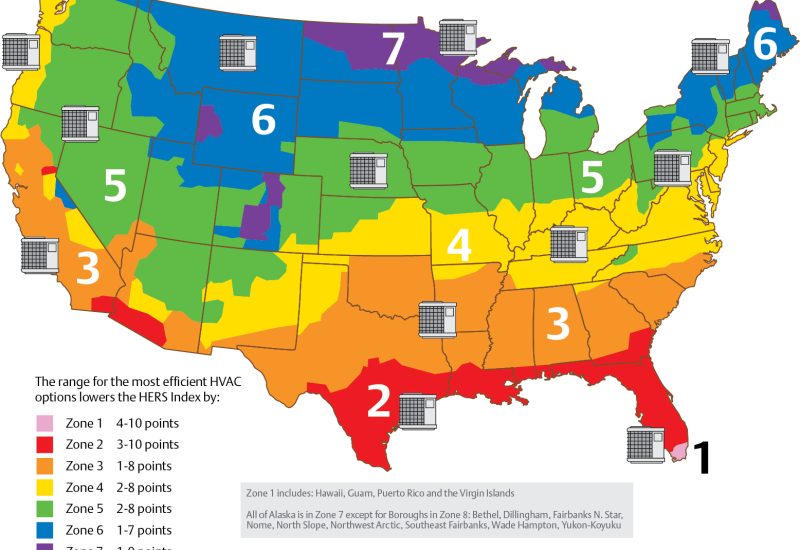
MEE Builders directly orchestrates the mandatory HERS (Home Energy Rating System) diagnostic blower-door and duct leakage tests, utilizing independent, state-certified third-party raters to scientifically verify the mathematical compliance of the sealed system before the new drywall is permanently closed
Low-VOC Material Selection for Healthier Interior Spaces
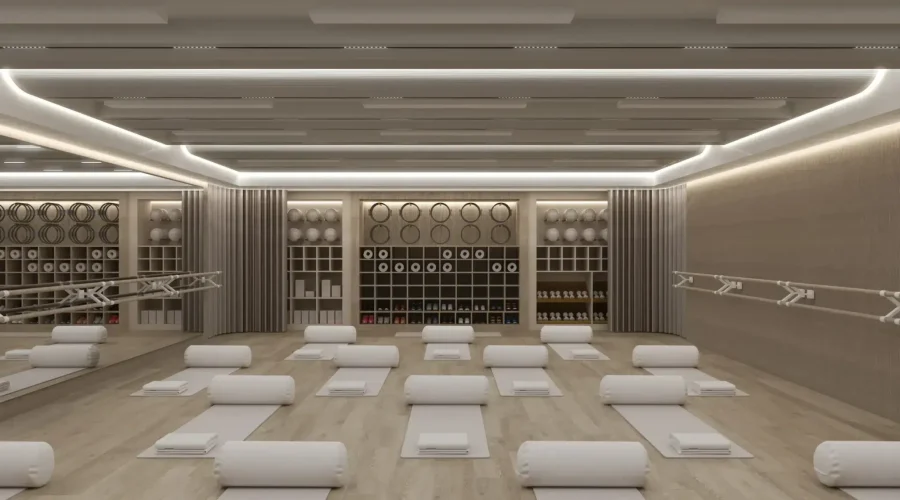
When creating specialized, high-use environments like an enclosed yoga studio, a subterranean basement home theater, or a continuously occupied home office, the total interior air volume is highly concentrated. Utilizing standard builder-grade materials can introduce off-gassing from adhesives, synthetic carpets, and paints, which impacts indoor air quality.
Healthier Material Selections for Enclosed Interior Spaces
To guarantee an exceptionally healthy living environment, the engineering team systematically specifies construction materials that strictly adhere to the CDPH Standard Method V1.2. Also known as California Specification 01350, this rigorous scientific standard evaluates building products for Volatile Organic Compound (VOC) emissions using highly controlled environmental chambers.
Materials are rigorously tested over a 14-day equilibrium period, analyzing the exact off-gassing rates of listed VOCs By exclusively sourcing acoustic wall panels, specifying zero-VOC conversion varnishes for custom millwork, and utilizing composite wood products that definitively pass these stringent CDPH limits, MEE Builders fiercely protects the respiratory health of the occupants.
This uncompromising approach to material science aligns the interior space with the highest echelons of CalGreen green building initiatives, delivering a pristine and healthy lifestyle suite
Permit-Ready Interior Remodeling for San Diego Homeowners
The execution of a flawless interior remodel involves seamless, highly experienced navigation of the San Diego Development Services Department (DSD). Securing the proper permits for electrical overhauls, plumbing relocations, or structural wall modifications officially validates your investment, officially translating your specialized room into high-yield real estate equity.
IB 140 Submittals for Structural, Electrical and Plumbing Changes
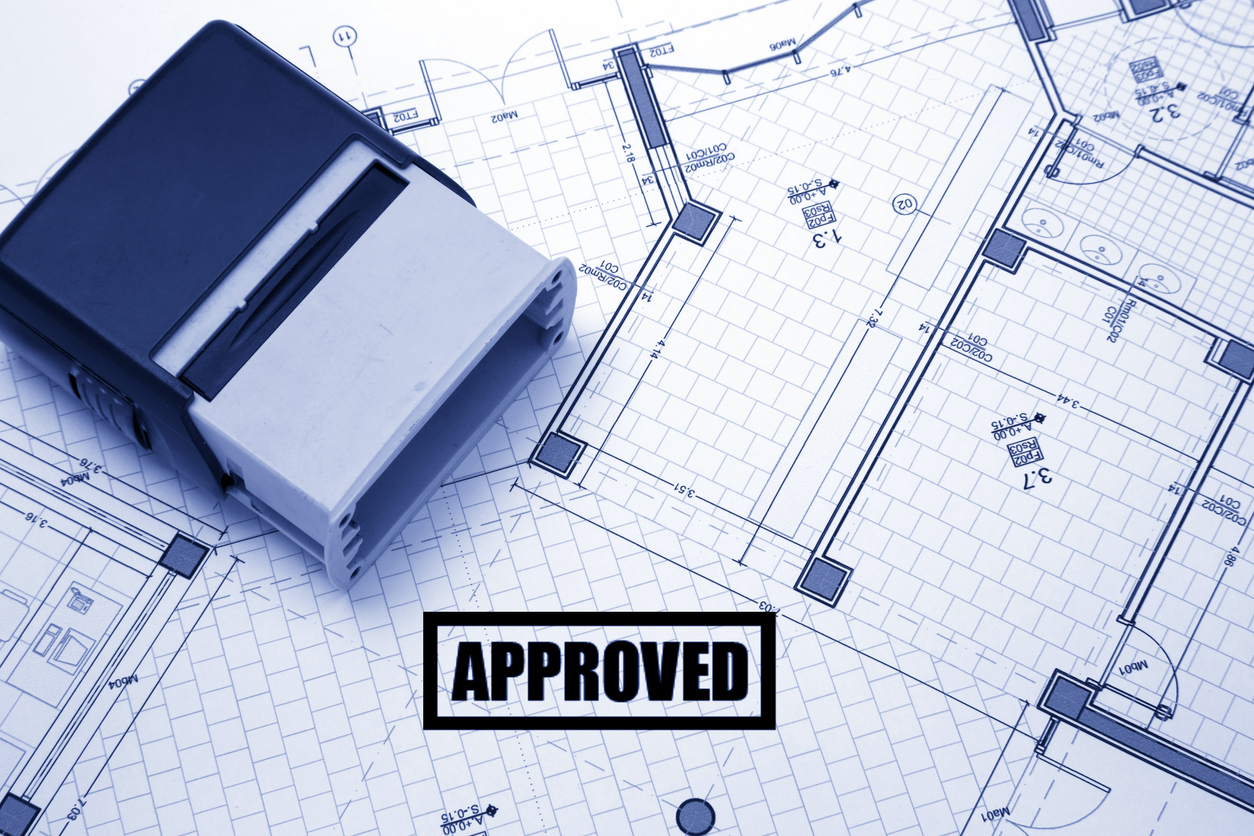
The City of San Diego governs residential interior remodels through the precise parameters outlined in Information Bulletin 140 (IB 140). When submitting a comprehensive permit package for an interior reconfiguration, MEE Builders manages the entire civil and structural engineering process entirely in-house.
The submittal package includes precise, fully scaled architectural plans explicitly detailing both the existing and proposed construction.
If load-bearing walls are modified to expand a room, the structural calculations for the new LVL or steel headers are officially stamped and validated. The firm seamlessly provides the mandatory Project Contacts Information Form (DS-345), the Stormwater Requirements Applicability Checklist (DS-560), and all necessary utility documents.
Because these interior modifications are contained entirely within the existing exterior footprint, the project typically bypasses discretionary Coastal Development Permit (CDP) requirements, making interior conversions a highly capital-efficient strategy for achieving massive lifestyle upgrades



San Diego Interior Remodeling FAQs
How much does a high-performance interior remodel cost in San Diego?
The average cost ranges from $45,000 to $120,000. This pricing fluctuates based on the necessity for a Load-Bearing Modification and adherence to the 2026 Title 24 Energy Code. In older San Diego estates, expertly integrating Laminated Veneer Lumber (LVL) beams and upgrading to a 400-amp electrical panel ensures exceptional long-term utility. MEE Builders calculates precise civil engineering requirements upfront to guarantee absolute financial transparency.
How long does a typical structural room conversion take?
It takes exactly 8 to 14 weeks to complete a comprehensive structural room conversion. Construction velocity is primarily governed by the San Diego Development Services Department (DSD) permitting cycles. Operating under CSLB #1046249 as a Class “B” General Contractor, MEE Builders manages a centralized architectural drafting team to streamline administrative approvals. We rapidly secure permits for complex Information Bulletin 140 submittals, keeping your luxury transformation advancing flawlessly
Is MEE Builders licensed and insured to perform heavy structural modifications in San Diego
Yes, MEE Builders holds a full Class “B” General Building Contractor license with complete liability insurance. Transforming an interior footprint frequently requires complex civil engineering to safely redistribute the immense dead weight of the roof structure. We legally intercept these forces utilizing heavy-duty Steel I-Beams and expertly engineered shoring walls. Operating as a structural authority ensures your estate’s Continuous Load Path is perfectly preserved, officially translating your specialized room into highly appraised real estate equity
How do you ensure a home office remodel complies with San Diego building codes?
We mathematically map your architectural blueprints to precisely enforce the 2026 CEC 24-inch receptacle placement mandates. The 2026 California Electrical Code (CEC) requires that wall receptacles are not placed lower than 24 inches beneath a custom work surface. To supply uninterrupted energy to high-demand workstations, we route Dedicated Circuitry. Utilizing heavy-gauge 12AWG copper wiring on 20-amp breakers, MEE Builders delivers 2,400 watts of sustained, clean power to optimize your sensitive technology.
Why do professional acoustic materials last longer than retail drywall in home theaters?
Professional acoustic materials provide an intrinsic STC value of 26 entirely on their own, preventing structural noise degradation over time. Standard builder-grade gypsum board is too light to stop the long-wavelength bass energy generated by 7.2.4 Dolby Atmos systems. We engineer a specialized Acoustic Envelope by integrating heavy-duty Mass-Loaded Vinyl (MLV) directly behind the finish. Sealed flawlessly with professional acoustical sealant, this flexible polymer membrane continuously dissipates kinetic sound waves, guaranteeing decades of absolute acoustic privacy.
Are your interior remodeling materials hypoallergenic or VOC-free?
Yes, we strictly specify zero-VOC conversion varnishes and acoustic panels that definitively pass the CDPH Standard Method V1.2. When engineering enclosed, high-use wellness suites or executive offices, preserving pristine indoor air quality is paramount. Off-gassing from builder-grade adhesives severely compromises the atmosphere. By exclusively sourcing materials with mathematically verified low Volatile Organic Compound (VOC) emissions, MEE Builders fiercely protects occupant respiratory health and aligns the luxury space perfectly with elite CalGreen green building initiatives.
What is the difference between standard framing and an Acoustic Envelope?
The difference is the scientific elimination of mechanical connections to achieve an STC rating of 60+. Standard residential partitions utilize a single row of studs, yielding an ineffective STC of roughly 33 that easily transfers sound vibrations. An Acoustic Envelope employs advanced physical decoupling to break this transmission path. By utilizing staggered-stud framing and heavy-duty metal resilient channels, MEE Builders floats the premium 5/8-inch Type X drywall off the timber, engineering absolute silence for executive suites.