
ADU Rental Income in San Diego: ROI Guide (2026)
April 28, 2026
- By
- meebuilders
- Construction & ADU Specialists
ADUs in San Diego can generate $2,000 to $4,000 per month in rental income – but only when the project is designed, permitted, and built correctly. At meebuilders, we’ve been helping homeowners evaluate ADU rental income potential for years of experience, and we’ve noticed the difference between a strong return and a disappointing one often comes down to early planning decisions. We recently met a homeowner who overbuilt a 900-square-foot detached unit without checking setback limits, forcing costly redesigns under San Diego ADU permitting requirements. The rental demand was there, but delays and revisions cut into their first year’s projected income. ROI starts long before construction – it starts with strategy.
A Practical Investment Playbook
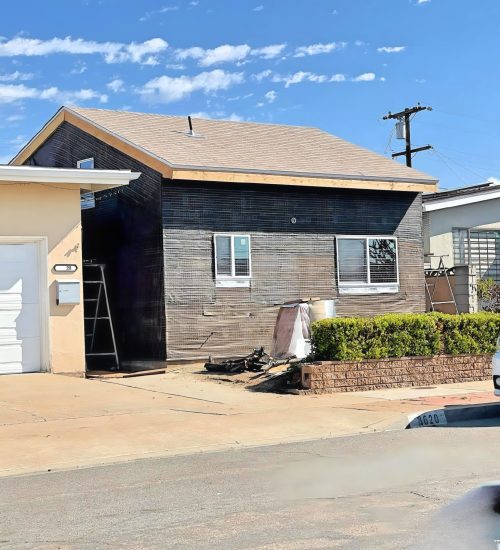
Maximizing return starts before design drawings are finalized. The most profitable ADUs are right-sized, energy-efficient, and built for long-term durability rather than short-term aesthetics. Every decision should support rentability and code compliance. We recommend this checklist:
- Confirm zoning and overlays early. Coastal zones and historic districts may impose additional constraints.
- Design for rental demand. In San Diego, one-bedroom units between 500 – 750 sq ft often balance construction cost and rental price.
- Meet Title 24 energy standards. High-performance insulation (R-21 walls, R-38 ceilings), dual-pane low-E windows, and efficient HVAC reduce tenant utility complaints.
- Plan independent utilities when feasible. Separate submetering helps control operating costs.
- Budget for soft costs. Architectural plans, structural calculations, soils reports, and permit fees add up.
Avoid Delays That Erode Rental Income
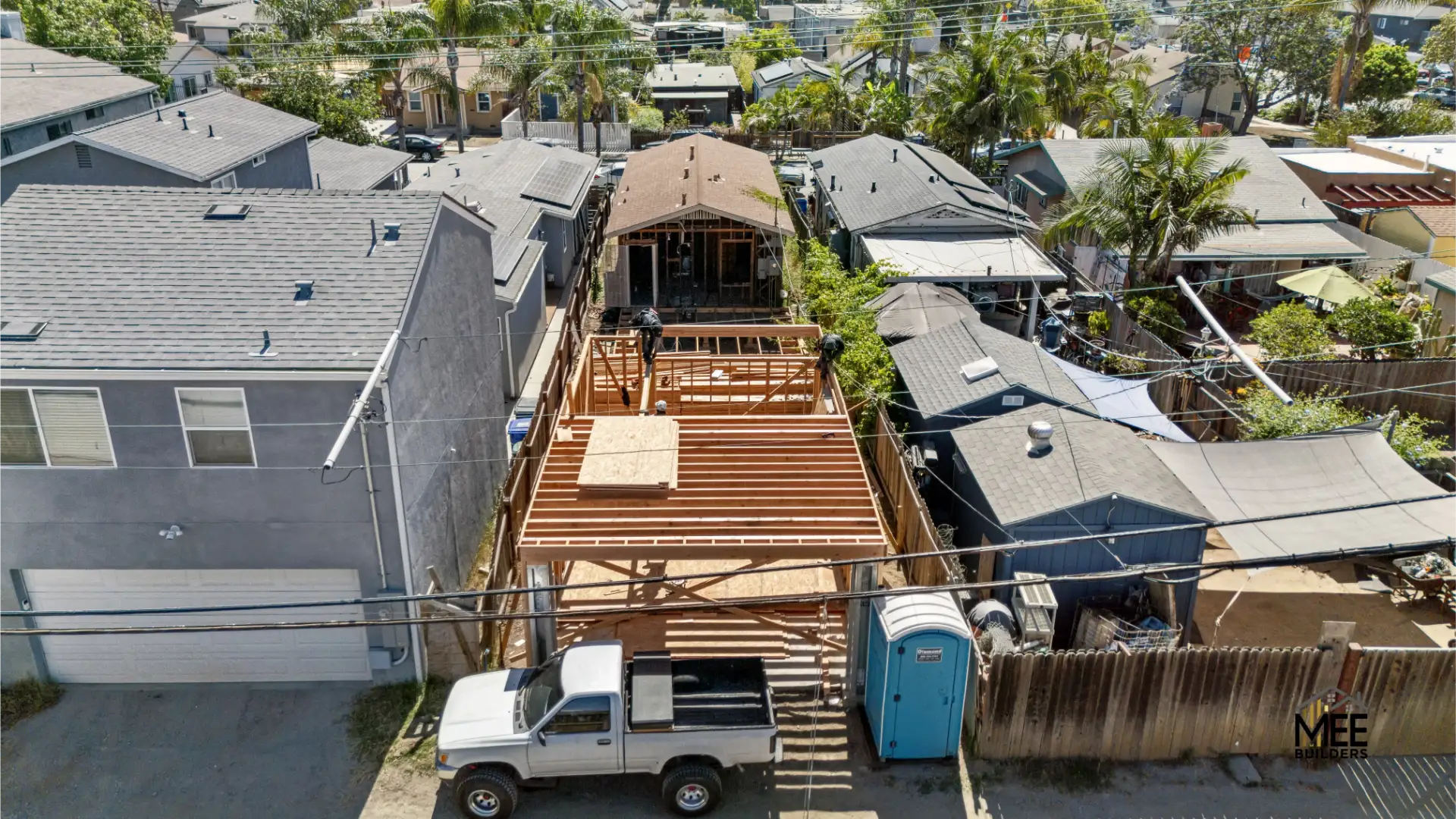
Most ROI problems come from unrealistic budgeting or rushed permitting. In our experience, detached ADU projects in San Diego typically take 8 to 14 months from design to final inspection, depending on plan review cycles and site conditions. A client once assumed construction would take four months and pre-leased the unit. Plan check corrections related to fire separation distance and structural shear wall calculations extended approval by several months, delaying rental income and straining cash flow. Typical 2026 cost ranges may fall between:
- $180,000 – $260,000 for garage conversions
- $250,000 – $400,000+ for detached ADUs
- Site complexity and grading requirements
- Material costs and finish selections
- Total scope, including utility upgrades and hardscaping
Evaluate Your ADU’s Income Potential
If you’re considering building an ADU for rental income, the numbers need to work before construction begins. We help homeowners review zoning, estimate realistic construction costs, and project rental cash flow based on current San Diego demand. Our team focuses on compliant design, efficient construction, and long-term durability so your investment performs as expected. Schedule a consultation to review your lot, goals, and projected return. A clear plan today prevents expensive corrections and lost rental months later.
FAQs
How much rental income can an ADU generate in San Diego in 2026?
In 2026, many ADUs in San Diego rent between $2,000 and $4,000 per month, depending on size, neighborhood, parking access, and amenities. A well-designed 600 – 750 square foot one-bedroom unit with in-unit laundry, ductless mini-split HVAC, and private outdoor space typically commands higher rents than a basic garage conversion. Proximity to transit and employment centers also influences pricing. We advise clients to review comparable long-term rental listings – not short-term vacation data – since most ADUs operate as standard residential leases. Keep in mind that vacancy rates, tenant screening standards, and ongoing maintenance costs affect your true net return, not just the advertised rent.
Do I need permits to build an ADU for rental income?
Yes. ADUs must comply with California Government Code §65852.2 and City of San Diego development regulations. That includes building permits, plan review approval, and final inspections. Required elements typically cover structural calculations, energy compliance documentation (Title 24), plumbing and electrical permits, and in some cases soils reports. Operating an unpermitted ADU exposes homeowners to fines, forced removal, and complications with insurance claims or refinancing. We’ve seen lenders require proof of final inspection before recognizing rental income in underwriting. Proper permitting protects both your cash flow and your property value.
What does it cost to build an ADU in San Diego, and how long does it take?
Costs may range from $180,000 to $400,000 or more depending on whether you’re converting a garage or building a detached unit. Timelines typically span 8 to 14 months including design, permitting, and construction. Pricing may fluctuate based on site complexity, material costs, and total scope such as utility upgrades or retaining walls. Plan review cycles and correction rounds can also extend schedules. Rental income does not begin until final inspection approval, so timeline planning matters. These figures are preliminary benchmarks for informational purposes only and do not constitute a binding quote. An on-site evaluation is required for a final proposal.
Can I manage the ADU project myself to save money?
Homeowners can act as owner-builders in California, but ADU projects involve structural engineering, energy compliance modeling, inspections, and subcontractor coordination. Managing trades, scheduling inspections, and addressing plan check corrections requires time and technical understanding. Mistakes in foundation layout, shear wall placement, or electrical load calculations can trigger costly rework. Some clients successfully manage smaller garage conversions, but detached ADUs with new foundations, sewer connections, and full utility upgrades usually benefit from professional oversight. The savings from self-management can disappear quickly if delays postpone rental income or corrections require demolition and reconstruction.
What warning signs suggest my ADU project may not deliver strong ROI?
Watch for oversized designs that exceed neighborhood rental demand, incomplete cost estimates that ignore soft costs, or layouts that lack privacy from the main house. Poor insulation or undersized HVAC systems can increase tenant complaints and turnover. We also caution against minimal site drainage planning – improper grading can lead to moisture intrusion and repair costs. If projected rental income barely covers financing and operating expenses on paper, the margin may be too thin once maintenance and vacancy are factored in. Conservative projections and durable construction materials usually produce more stable long-term returns.
What challenges are common for ADUs in San Diego?
San Diego properties often present slope, soil, and coastal overlay considerations. Hillside lots may require caissons, grade beams, or reinforced retaining walls, increasing structural costs. Coastal zones can trigger additional review layers. Older homes frequently have undersized electrical panels or aging sewer laterals that must be upgraded to support a second dwelling unit. We also see parking and access constraints on narrow lots. Addressing these conditions during early feasibility analysis prevents mid-project redesigns that delay income generation.
What should I look for when hiring a contractor for an ADU investment?
Verify that the contractor holds an active California Contractor State License Board (CSLB) license appropriate for residential construction and carries general liability and workers’ compensation insurance. Ask about experience with San Diego ADU permitting and Title 24 compliance documentation. Review completed projects, not just renderings. A clear, itemized scope of work and payment schedule tied to milestones helps protect your budget. Contractors who cannot explain plan check processes or inspection sequencing may struggle during construction. Transparent communication and documented change orders are essential for protecting ROI.
When should I schedule a professional evaluation for my property?
Schedule an evaluation before investing in architectural plans or committing to a lender. Early feasibility review helps confirm zoning, utility capacity, and realistic buildable area. If your lot has slope, limited access, or aging infrastructure, professional input becomes even more valuable. This is not typically an emergency situation, but delaying review can lead to design revisions and lost time. Gathering site measurements, utility information, and preliminary goals before consultation allows for more accurate ROI modeling and a smoother path toward permitting and construction.