
San Diego ADU Permit Process: Step-by-Step Guide for Homeowners
April 2, 2026
- By
- meebuilders
- ADU Design & Build Team
Looking for a clear checklist to get your ADU approved without delays? At meebuilders, we’ve guided homeowners through the San Diego ADU permit process for years, and we’ve seen exactly where projects stall. This guide is for property owners who want a practical, step-by-step path from concept to permit approval. If you’re considering a detached ADU in San Diego, this playbook will help you understand what comes next. Skipping steps or submitting incomplete plans can add months to your timeline. We’ve seen San Diego projects rejected simply because a site plan missed utility clearances or setback details, forcing costly redesigns and resubmittals.
Key laws and standards shaping your ADU approval
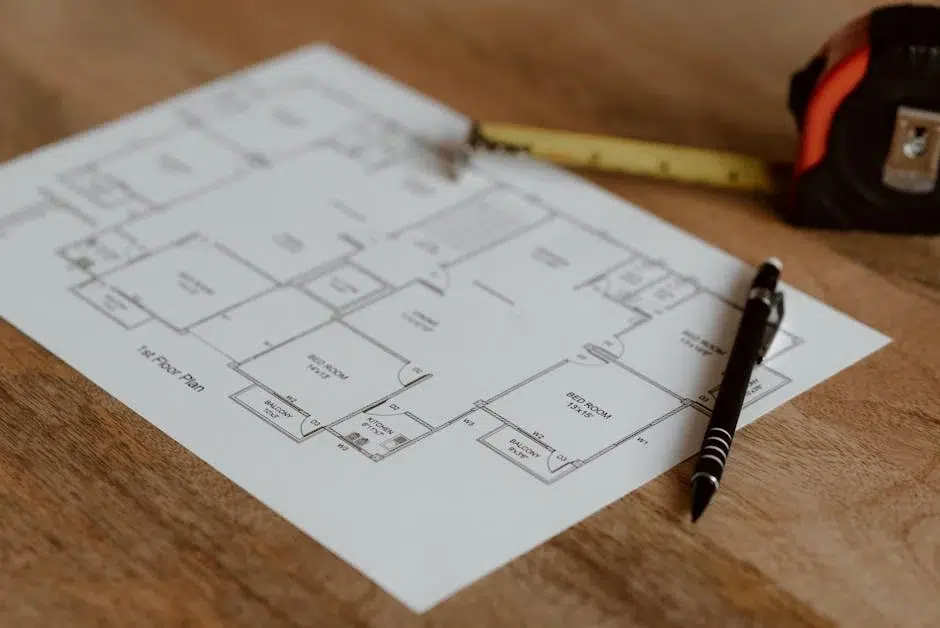
San Diego sits in a high seismic region and includes coastal, canyon, and wildfire-adjacent neighborhoods. Because of these conditions, ADUs must meet strict structural, fire, and energy standards. Inspectors actively enforce state and local amendments, and missed code items typically lead to failed inspections or correction notices.
- California Health and Safety Code §65852.2 (Accessory Dwelling Units) – Establishes statewide ADU rights, size limits, and ministerial approval requirements. Non-compliance can result in permit denial or forced redesign.
- 2022 California Building Standards Code (Title 24) – Adopted by San Diego and enforced locally. Includes structural (CBC), residential (CRC), plumbing, mechanical, and electrical provisions. Ignoring seismic bracing or egress rules leads to failed inspections and unsafe conditions.
- 2022 California Energy Code (Title 24, Part 6) – Requires energy calculations, insulation minimums, and often solar readiness. Missing CF1R documentation can halt permit issuance.
- San Diego Municipal Code Chapter 14, Article 1, Division 3 – Local zoning and land development regulations governing setbacks, height, and coastal overlays. Violations may trigger stop-work orders.

What to expect and how to avoid setbacks
Most ADU permits in San Diego move through plan review in several weeks to a few months, depending on complexity and resubmittals. Straightforward conversions typically move faster than ground-up detached units requiring grading or structural review. Common delays include:
- Incomplete structural calculations or missing engineer stamps
- Unverified utility capacity (sewer lateral or panel upgrade)
- Incorrect setback measurements on site plans
- Site complexity and grading requirements
- Material costs and energy compliance scope
- Total project size and structural engineering needs
Ready to Start Your ADU Permit Process?
If you’re planning an ADU in San Diego, the permit phase sets the tone for your entire project. A complete, code-compliant submittal protects your budget, reduces delays, and prevents costly redesigns. We review zoning, prepare architectural and structural plans, coordinate Title 24 documentation, and manage city corrections from start to finish. Schedule a professional evaluation to clarify your property’s eligibility and receive a realistic timeline before you invest further in design or materials.
FAQs
How long does the San Diego ADU permit process usually take?
In many cases, initial plan review may take several weeks, but total approval time often extends to a few months depending on corrections and project complexity. Detached ADUs with new foundations and grading typically require more review than garage conversions. Coastal overlays, historic districts, or environmentally sensitive lands can also add discretionary review layers. We recommend budgeting extra time if structural engineering or utility upgrades are involved. Submitting complete architectural plans, structural calculations, and Title 24 energy forms at the start significantly reduces resubmittal cycles. Delays most often occur when plans lack clear site measurements or required documentation.
Do I need an architect and structural engineer for an ADU in San Diego?
For most ADU projects, yes. The City of San Diego requires scaled construction drawings and structural calculations that meet the California Building Standards Code. A California-licensed structural engineer typically stamps foundation and framing plans, especially for ground-up detached units or additions. Even garage conversions often require structural review if you’re altering load-bearing walls or modifying the slab. Energy compliance documentation under Title 24 must also be prepared correctly. Attempting to submit informal sketches usually leads to correction notices. A coordinated design team ensures your drawings align with zoning, structural, and energy requirements before submission.
What does it cost to get an ADU permit in San Diego?
Permit and pre-construction costs may range from $8,000 to $25,000 or more depending on scope. Fees can include city plan check fees, school fees, impact fees (if applicable), architectural design, structural engineering, and energy calculations. Final costs fluctuate based on site complexity, material costs, and total project scope. A simple interior conversion may cost less than a new detached structure requiring grading and utility trenching. Additional expenses may arise if you need a panel upgrade or sewer lateral replacement. These figures are preliminary benchmarks for informational purposes only and do not constitute a binding quote. An on-site evaluation is required for a final proposal.
Can I handle the ADU permit process myself?
Homeowners can technically submit their own plans, but the process requires familiarity with zoning codes, structural standards, and Title 24 energy documentation. Minor projects with straightforward layouts may be manageable if you have construction experience. However, most ground-up ADUs require stamped engineering, detailed site plans, and coordinated documentation across multiple disciplines. We’ve seen self-submitted projects delayed for months due to missing calculations or incorrect setbacks. If your property is in a coastal overlay or has grading constraints, professional guidance becomes even more valuable. The cost of resubmittals and redesign often exceeds the savings of handling it alone.
What are common warning signs that my permit application may be rejected?
Frequent red flags include incomplete site plans, missing structural calculations, incorrect setback measurements, and absent Title 24 energy forms. If your plans do not clearly show property lines, easements, utility connections, and floor area calculations, reviewers will issue corrections. Another warning sign is assuming your existing electrical panel or sewer line can handle the added load without verification. We recommend confirming utility capacity early and ensuring your drawings match the city’s digital submission standards. Double-checking these elements before submission reduces the risk of repeated correction cycles and timeline extensions.
Are there special ADU requirements in San Diego compared to other cities?
San Diego enforces state ADU laws but also applies local zoning overlays and development regulations under its Municipal Code. Coastal zone properties may require additional review, and hillside lots can trigger grading or geotechnical requirements. Because the region is seismically active, structural anchorage and lateral bracing are closely reviewed. Energy compliance under California’s Title 24 standards is also strictly enforced. In practice, this means more detailed documentation and coordination compared to some inland cities. Understanding these local layers helps prevent unexpected review comments or stop-work orders during construction.
What should I look for when hiring an ADU professional in San Diego?
Verify that your contractor holds an active California contractor license and carries general liability and workers’ compensation insurance. Ask whether they regularly submit plans to the City of San Diego and understand local overlays and Title 24 energy requirements. Review past ADU projects and confirm that structural engineering and energy documentation are coordinated in-house or with trusted partners. Clear communication about timelines, correction cycles, and inspection sequencing is also important. A qualified professional should explain the permit pathway in detail, not just provide a construction price.
When should I schedule professional help during the ADU permit process?
The best time to involve a professional is before you finalize design concepts. Early review of zoning, setbacks, and utility capacity can prevent costly redesign later. If you’ve already submitted plans and received correction comments, professional support can help resolve structural, planning, or energy compliance issues efficiently. Watch for repeated correction cycles or unclear feedback from reviewers – those are signs you need coordinated expertise. While ADU permitting is not an emergency service, delaying assistance can extend your timeline and increase holding costs. Scheduling guidance early keeps your project aligned with city requirements.