
San Diego JADU Requirements (2026 Guide): Myths, Codes, and What Homeowners Must Know
May 25, 2026
- By
- meebuilders
- Residential Construction & ADU Specialists
Many homeowners believe a Junior Accessory Dwelling Unit is just a simple bedroom conversion with a kitchenette. At meebuilders, we’ve been guiding clients through San Diego JADU requirements for years of experience, and we’ve noticed that this assumption leads to costly redesigns and permit delays. The biggest mistake we see is skipping code research and submitting incomplete plans. One homeowner came to us after their application was rejected because the proposed kitchenette exceeded the maximum appliance allowance under state law. That single oversight set their project back months. In this San Diego JADU Requirements (2026 Guide), we break down what actually applies, where homeowners go wrong, and how to plan correctly from the start. For related insight on accessory units, visit our ADU planning checklist.
What Experienced Teams Actually Do to Secure Smooth Approvals
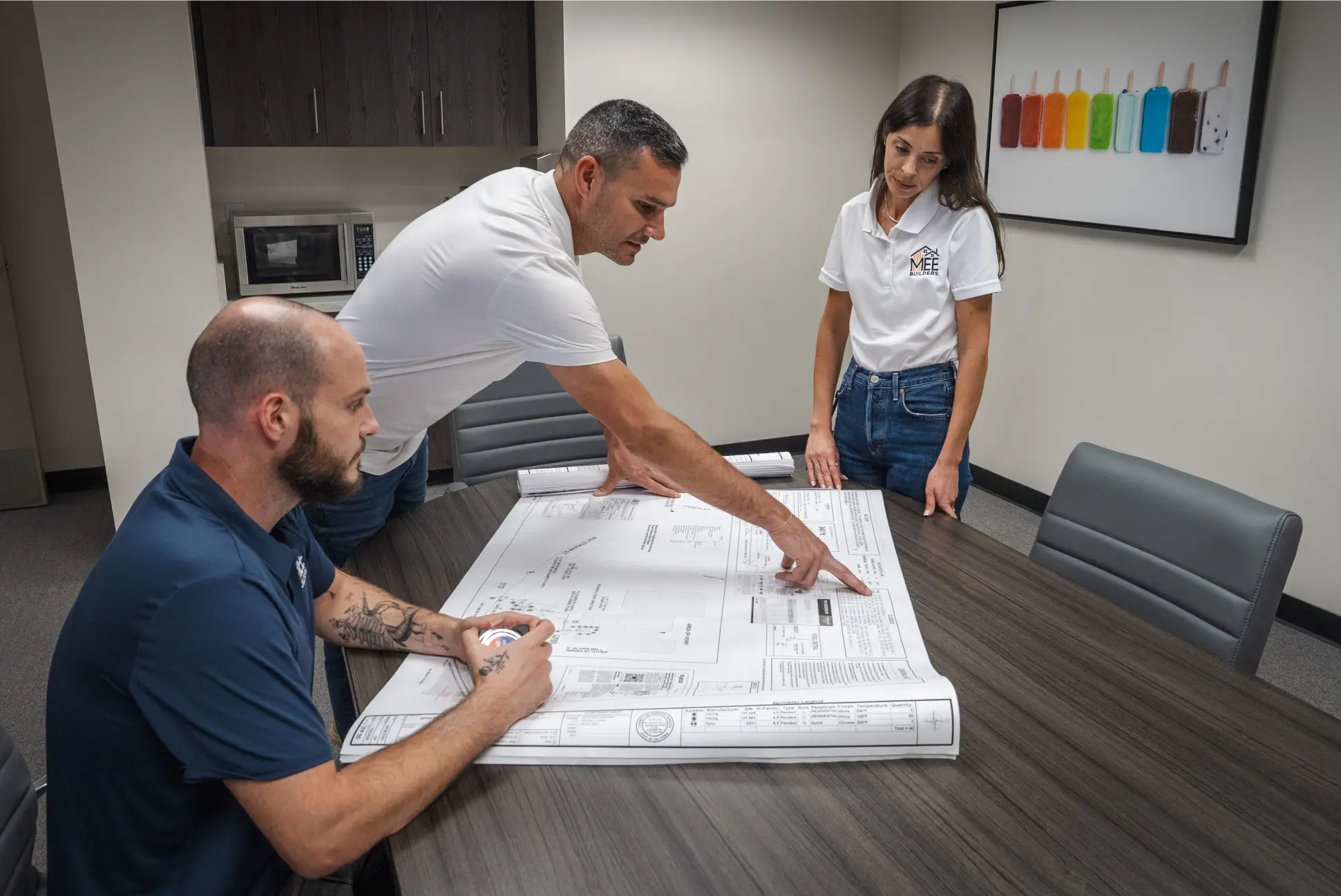
The most important best practices involve code verification, accurate space planning, and complete permit documentation. We never start demolition before confirming square footage limits, owner-occupancy requirements, and fire separation details. That preparation prevents redesign costs later. Strong JADU planning typically includes:
- Verifying compliance with California Government Code §65852.22
- Confirming compliance with California Residential Code (CRC) sections such as R302 for fire separation and R310 for emergency egress
- Drafting scaled plans showing the 500 sq. ft. maximum
- Engineering review if structural walls are modified
- Mechanical, electrical, and plumbing load calculations
Practical Steps Before You Submit a JADU Application
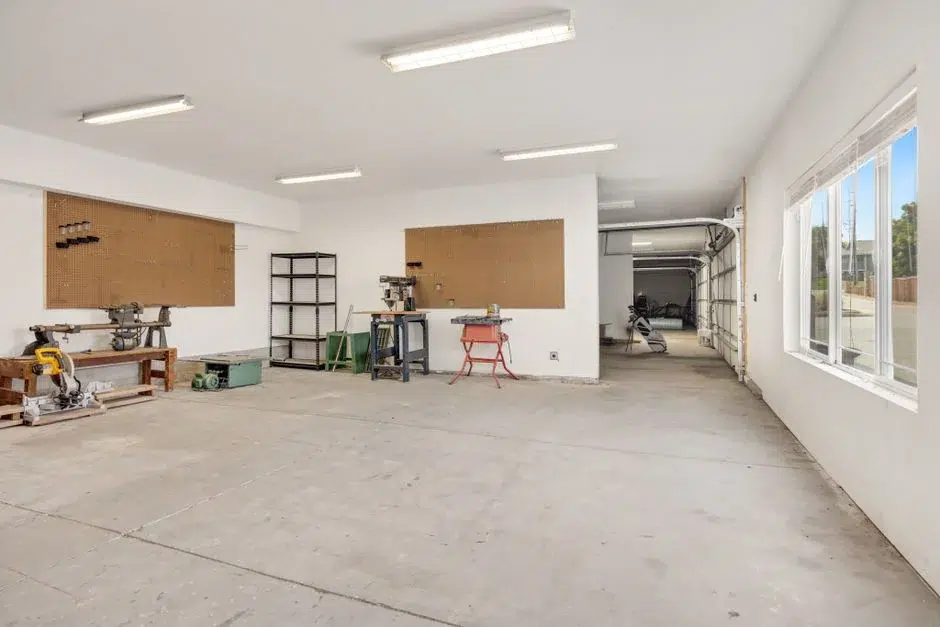
Careful planning determines whether a JADU project moves efficiently or drags through revisions. We advise homeowners to approach it in three phases:
- Feasibility Review: Measure interior space and confirm structural constraints.
- Code Compliance Check: Verify kitchen limits, egress, ceiling height, and fire separation.
- Permit-Ready Design: Prepare complete architectural and MEP documentation.
- Site complexity and existing structural conditions
- Material costs and finish selections
- Total scope, including plumbing or electrical panel upgrades
Get a Professional JADU Code Review
If you’re considering a Junior ADU, a quick expert review can prevent months of redesign and unexpected correction notices. We evaluate square footage, kitchen compliance, structural limits, and permit documentation before submission so your project starts on solid footing. Our team focuses on code accuracy, realistic budgeting, and build-ready planning to reduce delays. Whether you’re converting an existing bedroom or reconfiguring interior space, we can outline the exact steps required and flag potential approval risks early. Schedule a focused assessment and move forward with clarity instead of guesswork.
FAQs
What is the difference between a JADU and a standard ADU?
A Junior Accessory Dwelling Unit (JADU) is limited to 500 square feet and must be created within the walls of an existing or proposed single-family residence. A standard ADU can be detached, attached, or converted from structures like garages and may exceed 500 square feet depending on local allowances. JADUs require an efficiency kitchen rather than a full kitchen and often share utilities with the primary home. State law under Government Code §65852.22 defines JADUs specifically, including owner-occupancy provisions and size limits. Because of these constraints, JADUs are typically faster to approve when designed correctly. However, misunderstanding these distinctions can result in submitting plans under the wrong category, leading to correction notices and delays during plan review.
Do JADUs require separate entrances?
Yes, a JADU must have a separate exterior entrance from the main dwelling. However, it may also include an interior connecting door to the primary residence. That interior connection must comply with fire separation requirements under the California Residential Code, typically involving a self-closing, solid-core door if separation is required. The exterior entrance must meet standard door sizing and egress accessibility requirements. Improper placement of the entrance – such as opening into a setback that violates zoning – can delay approval. We recommend confirming access pathways, lighting, and landing requirements early in the design phase to prevent revisions during inspection.
How much does it typically cost to build a JADU and how long does it take?
JADU construction costs may range from $60,000 to $120,000 or more, depending on interior conditions and system upgrades. Projects that require electrical panel upgrades, new plumbing lines, or structural reframing often land at the higher end. Permit approval may take several weeks to a few months, while construction commonly takes 8 to 14 weeks for interior conversions. Costs fluctuate based on site complexity, material costs, and total scope of work. High-end finishes, custom cabinetry, or HVAC extensions can increase pricing. These figures are preliminary benchmarks for informational purposes only and do not constitute a binding quote. An on-site evaluation is required for a final proposal.
Can homeowners design and submit JADU plans themselves?
Homeowners can draft and submit their own plans if they understand building codes and drafting standards. However, plan sets must typically include scaled drawings, electrical layouts, plumbing diagrams, and compliance notes referencing applicable code sections. Minor omissions – such as failing to label kitchen appliance wattage or bathroom ventilation CFM ratings – often result in correction notices. If structural walls are altered, engineering calculations are generally required. Homeowners with drafting experience and strong code knowledge may manage the paperwork, but many choose professional support to avoid delays. The key consideration is whether you can confidently address building code references, inspection requirements, and utility load calculations without revisions.
What inspections are required during a JADU project?
Most JADU projects require inspections at multiple stages, including rough framing, rough electrical, rough plumbing, insulation, drywall (if applicable), and final inspection. If structural changes are involved, inspectors verify compliance with approved plans and any engineering details. Electrical inspections confirm breaker sizing, grounding, and load distribution per the National Electrical Code. Plumbing inspections verify venting, trap arms, and proper slope on drain lines. Skipping required inspections or covering work prematurely can lead to mandatory removal of finished materials for verification. Keeping inspection reports organized and scheduling promptly helps maintain project timelines and prevents rework.
What are the most common reasons JADU applications get rejected?
Applications are frequently rejected due to incomplete drawings, exceeding the 500-square-foot maximum, or proposing a full kitchen instead of an efficiency kitchen. Missing code references, unclear floor area calculations, and lack of egress compliance documentation are also common issues. Some homeowners underestimate ceiling height requirements or fail to show fire-rated separations where required. Utility load calculations are another frequent oversight. When documentation is vague, plan reviewers issue correction comments that delay approval. Providing detailed, code-referenced plans significantly improves the likelihood of first-round approval.
What should I look for when hiring a contractor for a JADU?
Look for a licensed contractor experienced in residential conversions and familiar with state housing statutes governing JADUs. Verify active licensing, insurance coverage, and familiarity with California Residential Code provisions such as R302 and R310. Ask how they handle load calculations, fire separation, and permit documentation. Contractors who cannot explain square footage limits or efficiency kitchen restrictions may not specialize in JADU compliance. Clear scope definitions, transparent allowances, and a structured payment schedule tied to inspection milestones are signs of professional management. Experience with permit submissions reduces approval risk and shortens timelines.
Are there situations where I should delay starting a JADU project?
Yes. If your electrical panel is already near capacity, if structural issues like foundation cracks are present, or if zoning questions remain unresolved, delaying to resolve those concerns prevents costly mid-project corrections. Review your homeowner association rules if applicable. If you are planning a major renovation to the primary residence, coordinating both projects may be more efficient than sequencing them separately. While a JADU is not typically an emergency project, signs such as outdated wiring, water damage, or structural deficiencies should be addressed first. Scheduling a professional feasibility assessment before design work helps determine readiness and reduces approval risk.