
How to Build an ADU in San Diego (2026 Guide)
March 27, 2026
- By
- meebuilders
- ADU Design & Build Team
A homeowner in San Diego recently called us after pouring a foundation for an ADU – only to learn the setbacks were wrong and the slab had to be partially demolished. At meebuilders, we’ve been helping clients navigate how to build an ADU in San Diego for years of experience, and we’ve noticed the same pattern: most problems start long before construction. The biggest misconception is that an ADU is “just a small house in the backyard.” In reality, it must meet California Building Code, local zoning rules, and utility standards. We’ve seen projects stall for months because plans didn’t align with the City’s ADU bulletin. Before choosing a layout, review options like detached ADU San Diego to understand what’s truly feasible on your lot.
What Professional ADU Construction Should Include

The most important best practice is aligning design, engineering, and permitting from day one. An ADU is a fully permitted dwelling unit with structural, energy, fire, and accessibility requirements. Treating it like a simple remodel creates delays and redesign costs. High-quality ADU service should include:
- Title 24 energy compliance documentation including CF1R forms and proper insulation values (for example, R-21 walls and R-38 ceilings where required).
- Structural engineering for foundation design, shear walls, and Simpson Strong-Tie hold-downs sized per seismic calculations.
- Fire separation details when building near property lines, often requiring 1-hour rated assemblies.
- Utility coordination for sewer laterals, water sub-metering, and potential 200-amp electrical upgrades.
- Stormwater compliance in accordance with municipal stormwater standards.
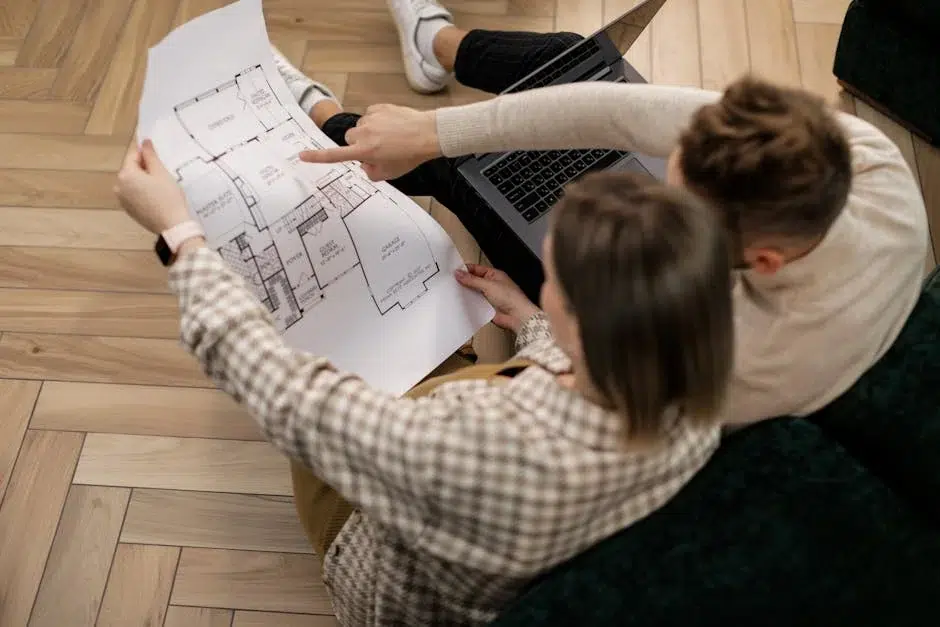
Timelines, Costs, and How to Protect Your Investment
A realistic timeline for an ADU in San Diego often ranges from 6 to 12 months, depending on design complexity and permitting review cycles. Design and engineering may take 1 – 3 months, permitting another 2 – 4 months, and construction 4 – 6 months for a standard detached unit. Costs in 2026 may range:
- Garage conversions: typically start around $120,000 – $180,000.
- Attached ADUs: often fall between $180,000 – $250,000.
- Detached ADUs: can range from $220,000 – $350,000 or more.
Schedule Your ADU Feasibility Review
If you’re considering an ADU, the first step is confirming what your lot can legally and structurally support. We evaluate zoning, setbacks, utilities, and structural requirements before design begins, helping prevent costly redesigns and permit delays. Our team provides clear guidance on layout options, budget ranges, and realistic timelines based on San Diego regulations. A focused feasibility assessment can save months of frustration and protect your investment. Let’s review your property and outline a compliant path forward.

FAQs
Do I need a permit to build an ADU in San Diego?
Yes. Every ADU in San Diego requires permits through the City of San Diego Development Services Department. Even garage conversions or above-garage units must comply with the California Building Code (Title 24), zoning regulations, and state ADU laws under Government Code §65852.2. Permits cover structural, electrical, plumbing, mechanical, and energy compliance. Skipping permits can result in code enforcement actions, fines, and difficulty refinancing or selling the property. We’ve seen unpermitted units flagged during escrow, forcing owners to pursue retroactive legalization, which can cost more than building correctly from the start.
What types of ADUs are allowed in San Diego?
San Diego allows detached ADUs, attached ADUs, and Junior ADUs (JADUs) within existing primary residences. Detached units are freestanding structures in the yard. Attached ADUs share at least one wall with the main home. JADUs are limited to 500 square feet and must be created within the existing footprint of the home. Height limits, setbacks, and parking requirements vary depending on lot zoning and proximity to transit. In many Transit Priority Areas, parking is not required. Each property is unique, so confirming overlay zones and lot constraints early prevents design revisions later.
How much does it cost and how long does it take to build an ADU?
An ADU in San Diego may cost anywhere from $120,000 for a basic conversion to $350,000 or more for a custom detached unit. Construction typically takes 4 – 6 months, while design and permitting could extend the total timeline to 6 – 12 months. Final pricing fluctuates based on site complexity, material costs, and total scope. Steep lots, utility upgrades, or premium finishes can significantly affect the budget. These figures are preliminary benchmarks for informational purposes only and do not constitute a binding quote. An on-site evaluation is required for a final proposal.
Can I build an ADU myself, or should I hire professionals?
Homeowners can legally act as owner-builders, but ADUs require coordination between structural engineering, Title 24 energy compliance, zoning regulations, and multiple inspections. Mistakes in foundation layout, shear wall placement, or energy documentation can delay approvals. We’ve seen owner-builder projects paused after failed inspections due to missing hold-down anchors or improper insulation installation. If you have construction management experience and time to coordinate trades, partial involvement may work. For most homeowners, hiring licensed professionals reduces risk, accelerates permitting, and ensures compliance with seismic and energy standards.
What maintenance does an ADU require after construction?
An ADU should be maintained like a primary residence. Inspect roofing annually, especially around flashing and roof penetrations. Clean gutters and confirm proper drainage away from the foundation. In San Diego’s coastal areas, check exterior fasteners and metal components for corrosion. Service HVAC systems at least once per year and replace filters regularly. Monitor for stucco cracks or sealant deterioration around windows. Addressing small issues early prevents moisture intrusion and structural damage. Keeping maintenance records also supports resale value and demonstrates responsible ownership.
What common issues affect ADU projects in San Diego?
Common challenges include sewer lateral capacity limits, aging electrical panels that require 200-amp upgrades, and soil conditions that demand specialized foundations. Coastal overlay zones may add additional review steps. We also see underestimating setbacks on narrow lots, which can shrink the allowable building footprint. In some neighborhoods, older clay sewer pipes collapse during connection work, adding unplanned replacement costs. Early site investigation and utility coordination reduce these risks and keep projects on schedule.
What should I look for when hiring an ADU builder?
Verify that the contractor holds an active California contractor’s license appropriate for residential construction and carries general liability and workers’ compensation insurance. Ask for examples of permitted ADU projects in San Diego and request references. Review whether the team handles structural engineering and Title 24 documentation in-house or coordinates them professionally. A clear contract outlining scope, payment schedule, and change-order procedures protects both parties. Builders who promise unusually fast permits or vague pricing often create problems later during inspections.
When should I schedule a professional feasibility review?
Schedule a feasibility review before investing in architectural drawings. Early evaluation of zoning, setbacks, utilities, and soil conditions prevents redesign costs. If you notice limited yard space, overhead utility lines, or a steep slope, professional input becomes even more important. While ADU planning is not an emergency service, delays can occur if you begin demolition or site work without approved plans. A structured feasibility assessment clarifies constraints and provides a realistic path forward before construction begins.