
Kitchen Remodeling Cost San Diego (2026 Guide): What to Budget and Why
July 21, 2026
- By
- meebuilders
- Kitchen Remodeling Specialists
At meebuilders, we’ve been guiding homeowners through kitchen remodeling cost san diego decisions for years of experience across a wide range of property types. We’ve seen how a well-planned kitchen remodel can dramatically improve daily function and long-term home value – and how rushed budgeting can derail both. This Kitchen Remodeling Cost San Diego (2026 Guide) is designed to help you evaluate options, compare scopes, and invest with clarity rather than guesswork. We’ve walked into San Diego homes where owners chose the lowest bid without reviewing permits or structural needs, only to face failed inspections and change orders halfway through. One recent project in San Diego involved relocating a load-bearing wall without proper engineering, which doubled the expected cost. Before you commit, it’s worth understanding how planning, codes, and material choices shape the final number. If you’re also comparing bathroom remodeling cost considerations, many budgeting principles overlap.
What Regulations Mean for Your Kitchen Budget in 2026
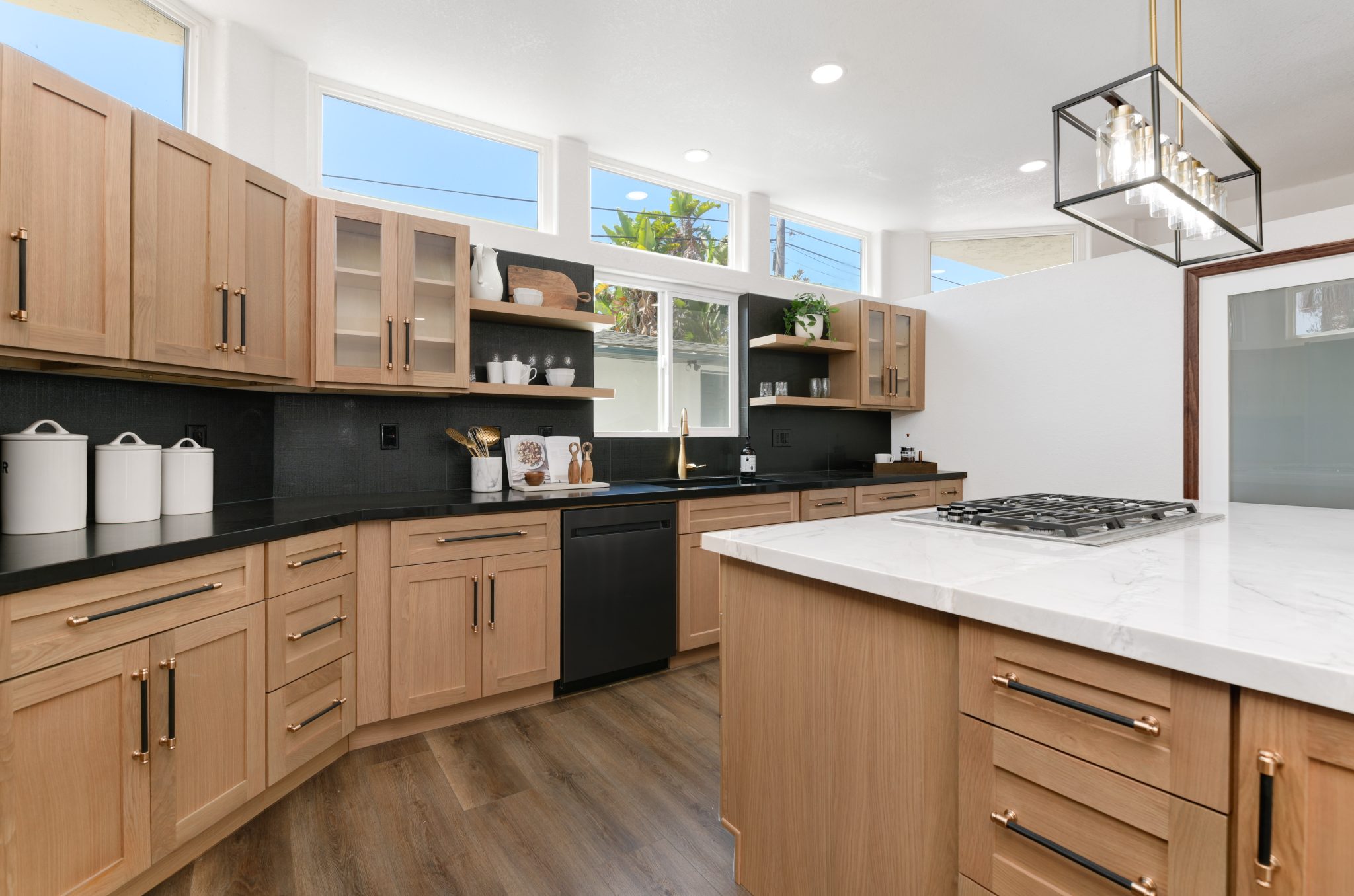
San Diego sits in a high seismic zone and follows California’s strict energy and building standards. Kitchen remodels frequently trigger inspections for electrical, plumbing, structural framing, and energy compliance. Overlooking these requirements can stop a project mid-construction and add thousands in correction costs.
- 2022 California Building Standards Code (Title 24, California Building Code – CBC) – Governs structural changes such as removing load-bearing walls and seismic anchoring. Requires proper structural calculations and permits. Non-compliance can result in failed inspections, stop-work orders, and liability issues during resale.
- 2022 California Energy Code (Title 24, Part 6) – Mandates high-efficacy lighting, lighting controls, and energy-efficient appliances. Inspectors verify compliance through documentation. Violations can delay final sign-off and increase utility costs long-term.
- 2022 California Electrical Code (CEC) – Requires GFCI and AFCI protection for kitchen circuits and proper load calculations for added appliances. Ignoring this can create fire hazards and void insurance claims.
- City of San Diego Development Services Department Permit Requirements – Specifies when permits are required for plumbing relocation, gas line modification, or structural work. Performing unpermitted work may lead to fines and complications during property sale.
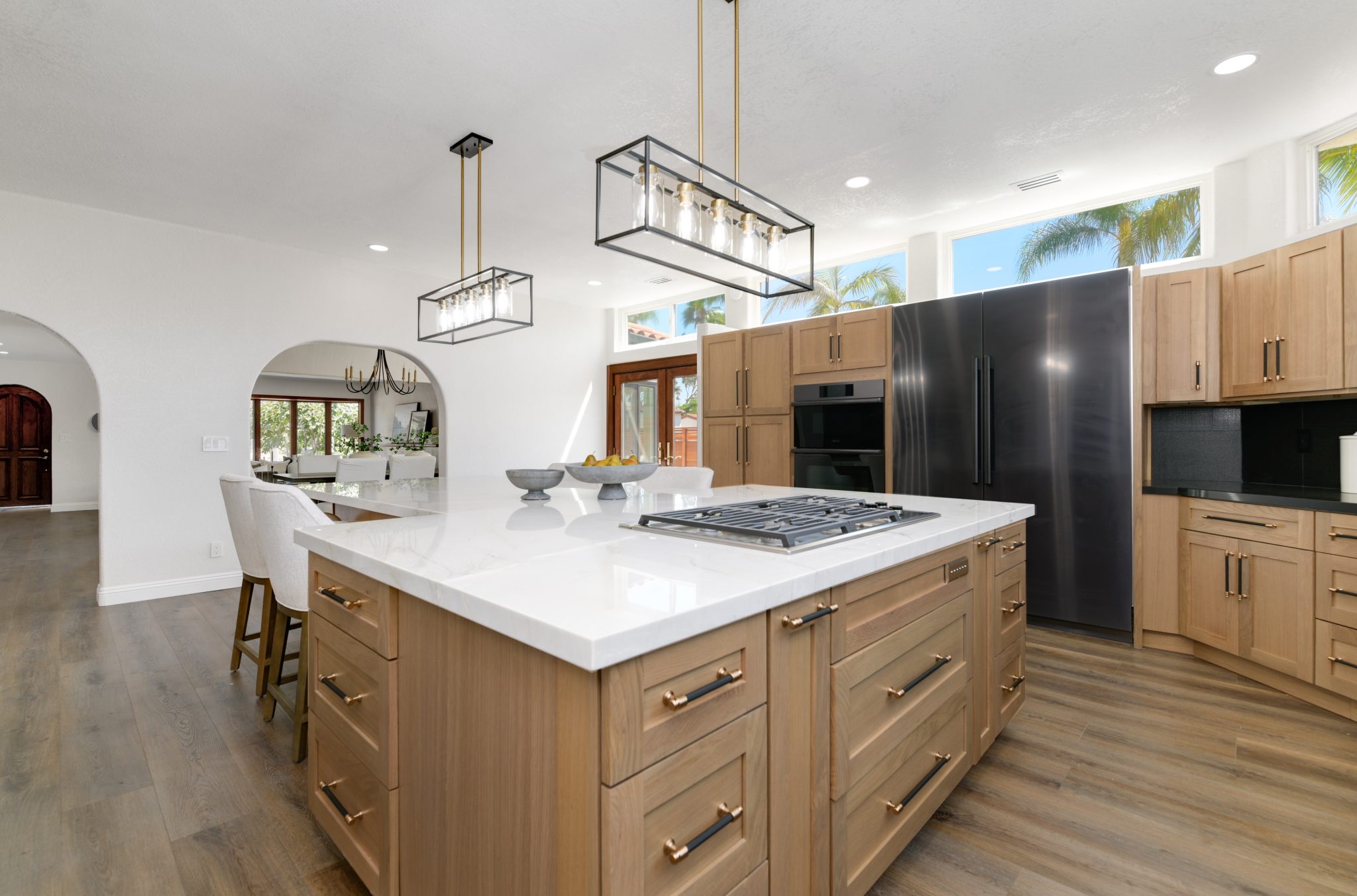
Questions to Ask and How the Process Unfolds
A clear planning process reduces surprises and keeps kitchen remodeling cost in San Diego aligned with expectations. We guide homeowners through a structured sequence:
- Initial consultation and site evaluation
- Preliminary layout and scope definition
- Permit documentation and engineering (if structural changes apply)
- Material selection and final pricing
- Construction and inspections
- Will structural engineering be required?
- Are appliance electrical loads calculated for panel capacity?
- Does the quote include permit fees and inspections?
- What allowance is set for cabinetry and countertops?
Make an Informed Investment in Your Kitchen
Kitchen remodeling in San Diego requires more than choosing cabinets and countertops. Structural integrity, energy compliance, and permit coordination all shape the true cost. We help homeowners evaluate scope, clarify priorities, and build realistic budgets before demolition begins. If you’re weighing options, comparing bids, or unsure whether your plan meets current San Diego codes, we can provide expert guidance rooted in years of hands-on project oversight. A thorough consultation protects you from unexpected change orders and inspection failures. Let’s review your goals, assess your property conditions, and map out a remodeling plan that aligns with your budget and long-term value expectations.
FAQs
What is the average kitchen remodeling cost in San Diego in 2026?
In 2026, most kitchen remodeling projects in San Diego fall into three broad tiers. A light cosmetic upgrade – painting cabinets, replacing countertops, updating fixtures – may range from $35,000 to $55,000 depending on material quality. A mid-range remodel with semi-custom cabinets, quartz surfaces, new appliances, and lighting upgrades often lands between $60,000 and $90,000. High-end renovations involving layout changes, structural modifications, custom cabinetry, and premium stone can exceed $100,000. San Diego pricing trends reflect higher labor costs, strict Title 24 energy compliance, and permit requirements. Coastal properties may also require moisture-resistant materials and corrosion-resistant hardware. The biggest cost drivers typically include cabinet selection, appliance upgrades, and whether walls or plumbing lines are relocated. A detailed scope and site evaluation provide the most reliable estimate, since hidden framing, outdated wiring, or undersized electrical panels can significantly shift the budget.
Do I need a permit for a kitchen remodel in San Diego?
In most cases, yes. Cosmetic updates such as painting cabinets may not require permits, but relocating plumbing, modifying gas lines, upgrading electrical circuits, or removing walls typically does. The City of San Diego Development Services Department oversees these permits. If your remodel includes structural changes, inspectors will review framing and may require engineered calculations. Electrical upgrades must comply with the current California Electrical Code, including GFCI and AFCI protection in kitchens. Lighting updates must meet California Energy Code standards under Title 24. Skipping permits might seem like a way to reduce costs, but it creates serious risk. Unpermitted work can trigger fines, force demolition to expose concealed systems, and complicate home resale when buyers request permit records. We recommend confirming permit requirements before finalizing your remodeling contract to avoid delays or penalties.
How long does a kitchen remodel take and what affects the cost most?
Most kitchen remodels in San Diego take between 6 and 12 weeks once construction begins. Projects involving structural wall removal or extensive plumbing relocation may extend beyond that timeline due to engineering review and inspections. Costs may fluctuate based on three primary factors: site complexity, material costs, and total scope. Site complexity includes structural conditions, electrical panel capacity, and accessibility. Material costs vary widely between stock cabinets and custom millwork, or laminate versus natural stone. Total scope refers to whether you’re simply upgrading finishes or reconfiguring the entire layout. Permit processing and product lead times can also influence scheduling. Custom cabinetry might require several weeks of fabrication before installation. These figures are preliminary benchmarks for informational purposes only and do not constitute a binding quote. An on-site evaluation is required for a final proposal.
Can I remodel my kitchen myself to save money?
Homeowners can handle minor cosmetic tasks such as painting walls or installing backsplash tile if they have the proper tools and skill. However, structural framing, electrical upgrades, gas line modifications, and panel changes require licensed professionals in California. Kitchens combine multiple technical systems in one compact area. Improperly installed electrical circuits can overload breakers. Poorly connected gas fittings may leak. Incorrect cabinet anchoring into drywall instead of studs can cause long-term structural issues. We’ve seen homeowners start DIY demolition without realizing a wall carried roof load. The correction required engineering and additional framing, costing more than professional oversight would have initially. DIY may reduce small labor expenses, but complex mechanical or structural tasks should be completed by licensed contractors who understand San Diego’s permitting and inspection requirements. The financial and safety risks of errors often outweigh short-term savings.
What are warning signs that my kitchen needs more than cosmetic updates?
Certain issues indicate deeper problems beyond outdated finishes. Cracked tile floors may signal subfloor movement. Flickering lights or warm outlets suggest overloaded circuits. Cabinet bases that feel soft can indicate hidden water damage from slow plumbing leaks. We also look for inadequate ventilation. If cooking odors linger excessively, the range hood may lack sufficient CFM capacity or proper duct routing. In coastal San Diego homes, corrosion on hardware or fasteners can point to humidity exposure. During remodel planning, we use moisture meters to test subfloors and inspect framing connections. Identifying these issues early prevents mid-project cost increases. Routine maintenance includes checking sink supply lines annually, resealing natural stone countertops as recommended by manufacturers, and inspecting caulk joints to prevent water intrusion. Addressing small signs early reduces the risk of structural repair costs later.
What common remodeling challenges do homeowners face in San Diego?
San Diego homes present several recurring challenges. Many older properties still have outdated electrical panels that cannot support modern appliances such as induction ranges or double ovens. Upgrading the panel may become necessary during a kitchen remodel. Seismic considerations also matter. Removing walls without proper reinforcement can compromise structural stability in earthquake conditions. Inspectors carefully review framing changes under the California Building Code. Coastal humidity can affect cabinet materials. Particleboard cabinetry may swell over time, especially near sinks or dishwashers. We recommend moisture-resistant plywood construction and proper sealing. Another frequent issue is limited ventilation duct pathways in slab-on-grade homes. Routing ductwork correctly while maintaining code compliance requires careful planning. Understanding these regional conditions helps prevent delays, change orders, and premature material failure in San Diego kitchens.
What should I look for when hiring a kitchen remodeling contractor?
Start by verifying that the contractor holds an active California contractor’s license through the Contractors State License Board (CSLB). Proper licensing ensures the company meets state requirements and carries appropriate bonding. Confirm proof of general liability insurance and workers’ compensation coverage. Ask whether the contractor handles permit applications and coordinates inspections with the City of San Diego. Review detailed proposals. A professional estimate should outline scope, material allowances, timeline, and payment schedule. Vague line items often lead to disputes later. We recommend requesting references for similar kitchen projects and reviewing photos of completed work. Ask how structural changes are evaluated and whether licensed engineers are involved when necessary. Clear communication, documented processes, and transparency about allowances and contingencies typically indicate a contractor who prioritizes quality and compliance.
When should I schedule a professional evaluation for my kitchen remodel?
Schedule a professional consultation before purchasing major materials or demolishing existing components. Early evaluation allows proper load calculations, plumbing assessment, and permit planning. Watch for signs such as outdated two-prong outlets, insufficient counter space, frequent breaker trips, or visible water staining inside base cabinets. These indicators suggest underlying mechanical or structural issues that should be addressed during remodeling. While kitchen remodeling is not an emergency service, delaying evaluation after discovering water damage or electrical issues can increase repair costs. If you notice persistent moisture, loose cabinetry, or inadequate ventilation, arrange a site visit promptly. A structured walkthrough allows identification of hidden conditions, accurate budgeting, and a realistic timeline before committing to material purchases or contractor agreements.